Alamance Crossing faces possible foreclosure after $51 million loan default
Alamance Crossing could move into foreclosure or a forced sale after a $51 million loan default, putting Burlington shoppers, tenants and tax revenue on edge.
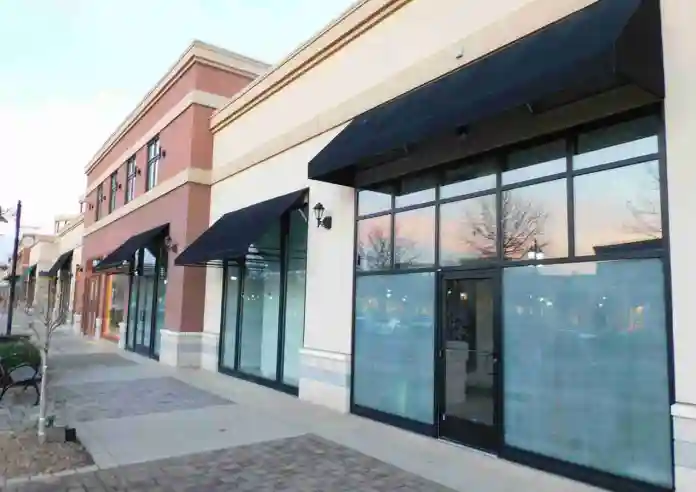
Burlington’s Alamance Crossing could end up in foreclosure or a sale after its owners defaulted on a $51 million loan, turning one of Alamance County’s most visible retail properties into a local financial worry. The risk reaches beyond lenders: stores, restaurants, workers and nearby businesses at the Burlington center could all feel the impact if ownership changes or vacancy rises.
Alamance Crossing is not a small strip center. A LoopNet property sheet lists it as a 785,386-square-foot open-air shopping center, and the center’s own website describes it as a destination lifestyle center. Tenant listings tied to the property include names shoppers know well, among them Belk, Barnes & Noble, Hobby Lobby, Dick’s Sporting Goods, BJ’s Wholesale Club, and restaurants such as Olive Garden, Texas Roadhouse, Buffalo Wild Wings and Red Robin.
The debt trouble is not new. Fitch Ratings said the Alamance Crossing loan defaulted at its July 2021 maturity, that performance had further deteriorated and that a workout was expected. That points to a property that has been under strain for years, not a one-off missed payment. In commercial real estate, a default of that size usually means the property’s revenue no longer supports the financing terms, or that refinancing conditions have worsened enough to make a new loan impossible on the old terms.
Alamance Crossing has also already been through management and ownership changes. In 2023, Alamance County Superior Court appointed Spinoso Real Estate Group to take over management from CBL Properties after a default. Other reporting has said part of the center was sold, and the property was sold again in 2025, the second time in the first four months of that year.
For Burlington, the immediate questions are practical. A new owner could bring fresh capital, more aggressive leasing or a new redevelopment plan. A prolonged dispute could mean more uncertainty for tenants renewing leases, more caution from prospective retailers and more pressure on the commercial corridor around the center. Because Alamance Crossing functions as a major shopping and dining destination, any instability there also carries implications for the broader retail market in Burlington and for the property-tax base that depends on a high-value asset staying productive.
What happens next will shape more than one shopping center. It will help determine whether one of Burlington’s biggest retail nodes stabilizes under new ownership or spends more time in court, in workouts and on the market.
This article was produced by Prism’s automated news system from verified source data, official records, and press releases, then run through automated quality and moderation checks before publishing. The system is built and supervised by the people who set the standards it runs under. Read our full AI policy.
Did this article answer your question?