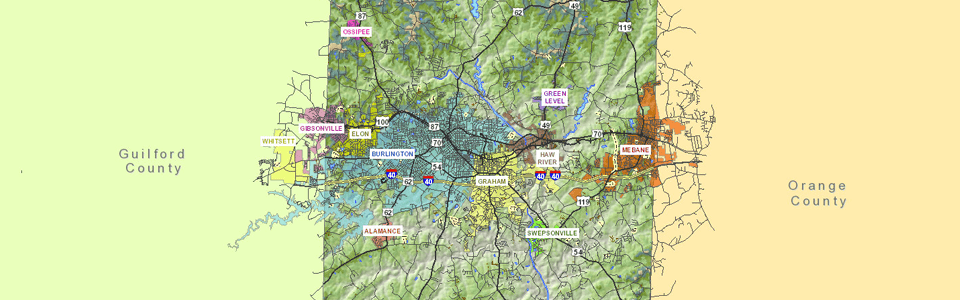
Burlington Elects First Woman Mayor, Beth Kennett Emphasizes Listening
Burlington voters elected Beth Kennett as mayor on November 27, 2025, making her the first woman to hold the citys top office. Her victory matters to local residents because she has prioritized outreach, improved city communications, and attention to rising costs and lack of affordable youth activities.
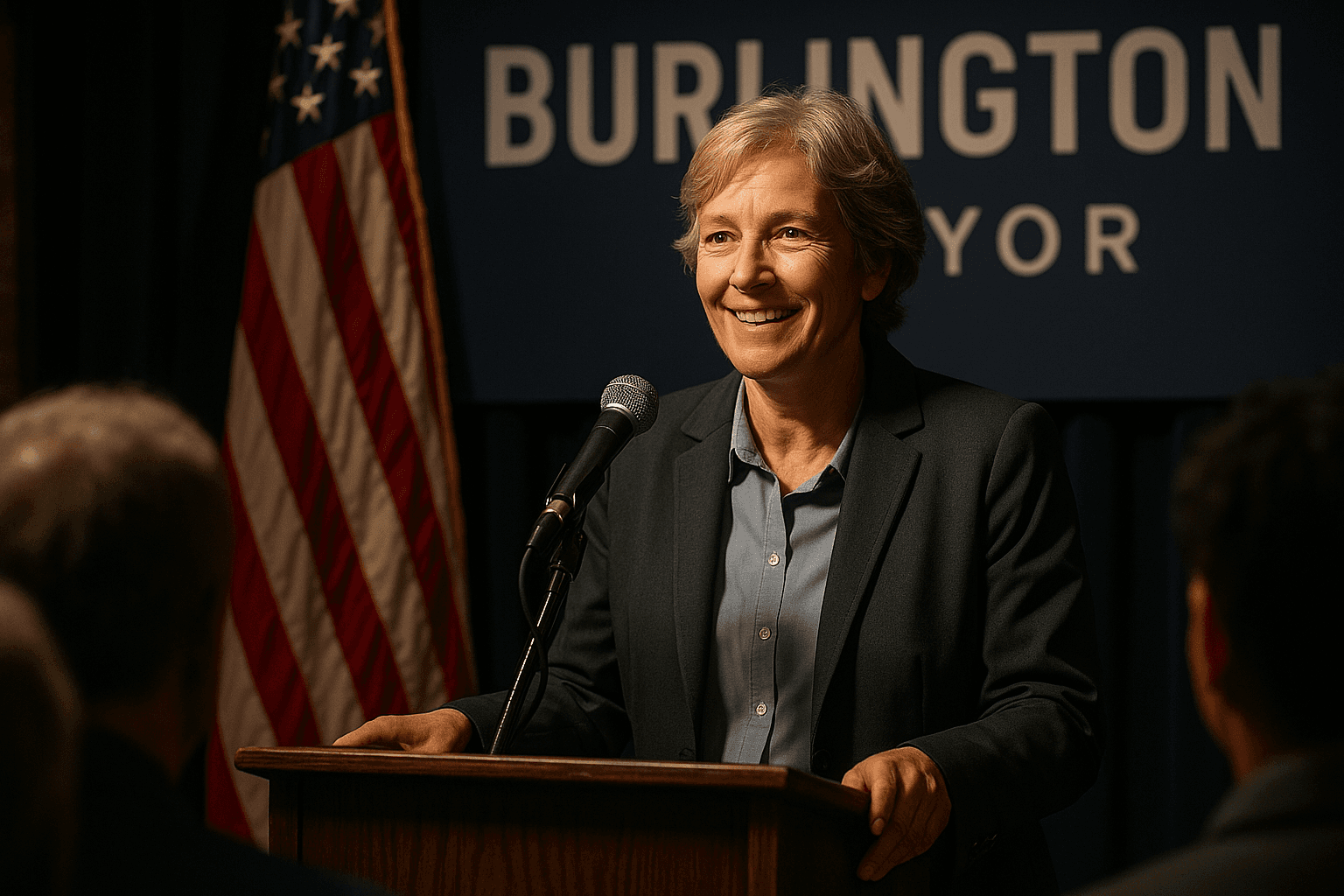
Burlington voters chose Beth Kennett as mayor on November 27, 2025, marking the first time a woman will serve as the citys chief executive. Kennett won after a campaign built around neighborhood outreach and a field effort that organizers say played a decisive role. Her election arrives amid a busy municipal election cycle that has seen local governments focus on day to day services and resident engagement.
Kennett brings a long record of residency in Burlington along with an unconventional background for a mayor. She trained in music and holds a degree in flute performance and music education, and she has worked professionally with Atrium Health Wake Forest Baptist. That mix of arts training and health system experience informs the collaborative and community centered approach she ran on, centered on listening to residents and inviting public input into city decision making.
Central elements of Kennetts agenda include revamping city communications, responding to the pressure of rising costs for many households, and expanding affordable options for youth activities. City leaders and residents said those were recurring concerns during the campaign. Kennett signaled plans to create more opportunities for direct public engagement through open mic style sessions and neighborhood conversations, approaches aimed at making municipal government more accessible and responsive.
Kennett won with the support of an organized field campaign and allies on the city council who are expected to work with her on policy priorities. The election reshapes Burlingtons leadership at a time when municipalities across the region are grappling with service delivery, economic strain, and the need to retain families and young people. For local residents, the immediate impacts could include changes in how information flows from city hall, new forums for public input, and targeted efforts to expand youth programs and ease cost burdens.
As Kennett and the council move from transition to governance, residents will be watching how campaign commitments translate into budgets and programs. Her emphasis on listening and outreach sets a tone that could broaden civic participation in Burlington, and her status as the citys first woman mayor places the result within a wider pattern of changing representation in local government.
This article was produced by Prism’s automated news system from verified source data, official records, and press releases, then run through automated quality and moderation checks before publishing. The system is built and supervised by the people who set the standards it runs under. Read our full AI policy.
Did this article answer your question?