Burlington Police Deploy 31 AI Cameras to Read License Plates, Boost Safety
Burlington police arrested a drive-by shooting suspect within 3 days using one of 31 AI cameras that read license plates near an interstate.

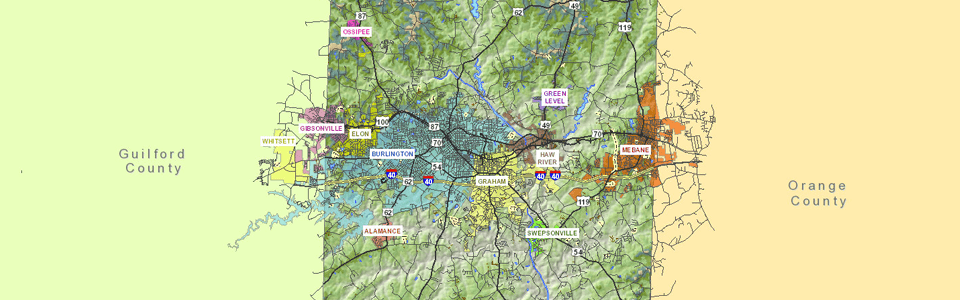
Burlington's police department has deployed 31 AI-powered license plate readers across the city, and the technology has already helped crack a drive-by shooting case that might otherwise have gone cold.
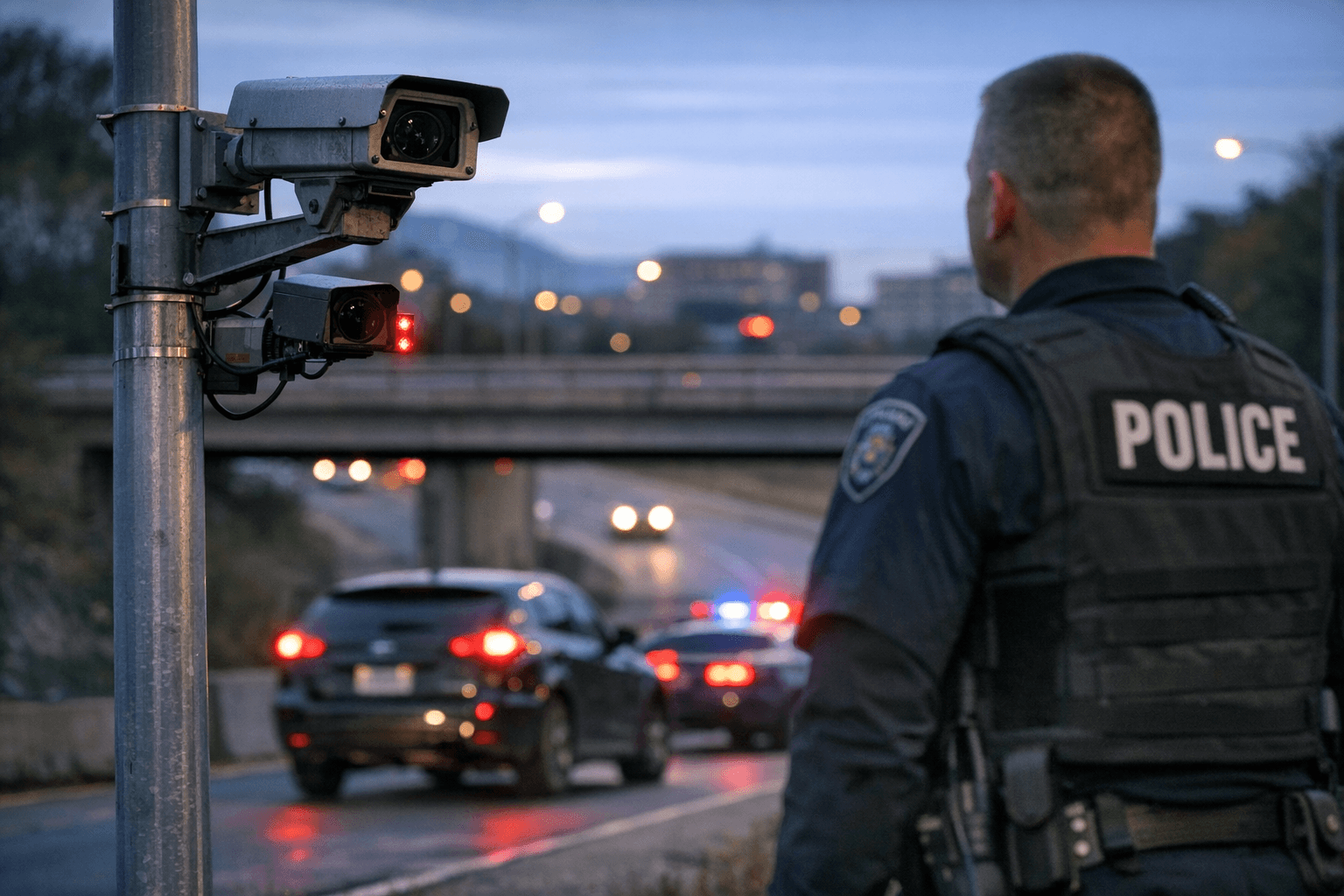
The cameras, referred to as "flock" cameras, consist of 30 fixed units and one mobile unit installed at various high-traffic locations throughout Burlington. Unlike toll cameras and other surveillance technology, the devices are strictly tuned to the backs of passing vehicles. They have no facial recognition features and no means of panning to face oncoming traffic. Instead, they stay trained on the trailing ends of cars and trucks, photographing them in high resolution to capture license plates as well as make and model information.
Assistant Chief Nick Wright notes that this hyperfocus makes each camera an ideal lookout for the department without the need to tie up resources or personnel in the process. The system operates as a persistent, automated observer at key intersections and corridors, freeing officers for other duties while building a continuous record of vehicle movement through the city.
The practical value of that record came into sharp focus after a drive-by shooting last June. Investigators reviewed license plate images captured by a flock camera near the same stretch of interstate where the shooting occurred. Within three days, that footage led them to the suspect's vehicle and, ultimately, to an arrest. Destiny Shavonta Quanshall Poole, 33, currently faces two felony charges stemming from the incident.
Police Chief Alan Balog was direct about what the technology meant for that investigation: "Without the license plate readers, we wouldn't have known who she was."
The deployment has drawn questions from Burlington residents who noticed the cameras appearing at busy intersections. The Alamance News posed those questions directly to department leadership in a Q&A published March 12, 2026, and police officials pushed back against the idea that the network signals a turn toward mass surveillance. The cameras cannot pan, cannot identify faces, and collect no data beyond what passes through the rear frame of the device.
What the department has not yet addressed publicly are questions about how long captured images are retained, who has access to the database, whether the system generates automated alerts for stolen vehicles or wanted persons, and whether image data is ever shared with outside agencies. Those details remain unresolved, and the answers will matter as Burlington's 31-camera network continues to expand its record of vehicle movement across the city.
This article was produced by Prism’s automated news system from verified source data, official records, and press releases, then run through automated quality and moderation checks before publishing. The system is built and supervised by the people who set the standards it runs under. Read our full AI policy.
Did this article answer your question?