Burlington Schools, City Departments Face Service Cuts Amid Diesel Price Surge
ABSS's diesel bill doubled as prices hit $4/gal, forcing the district to consider parking buses from its 144-vehicle fleet until the July 1 budget reset.
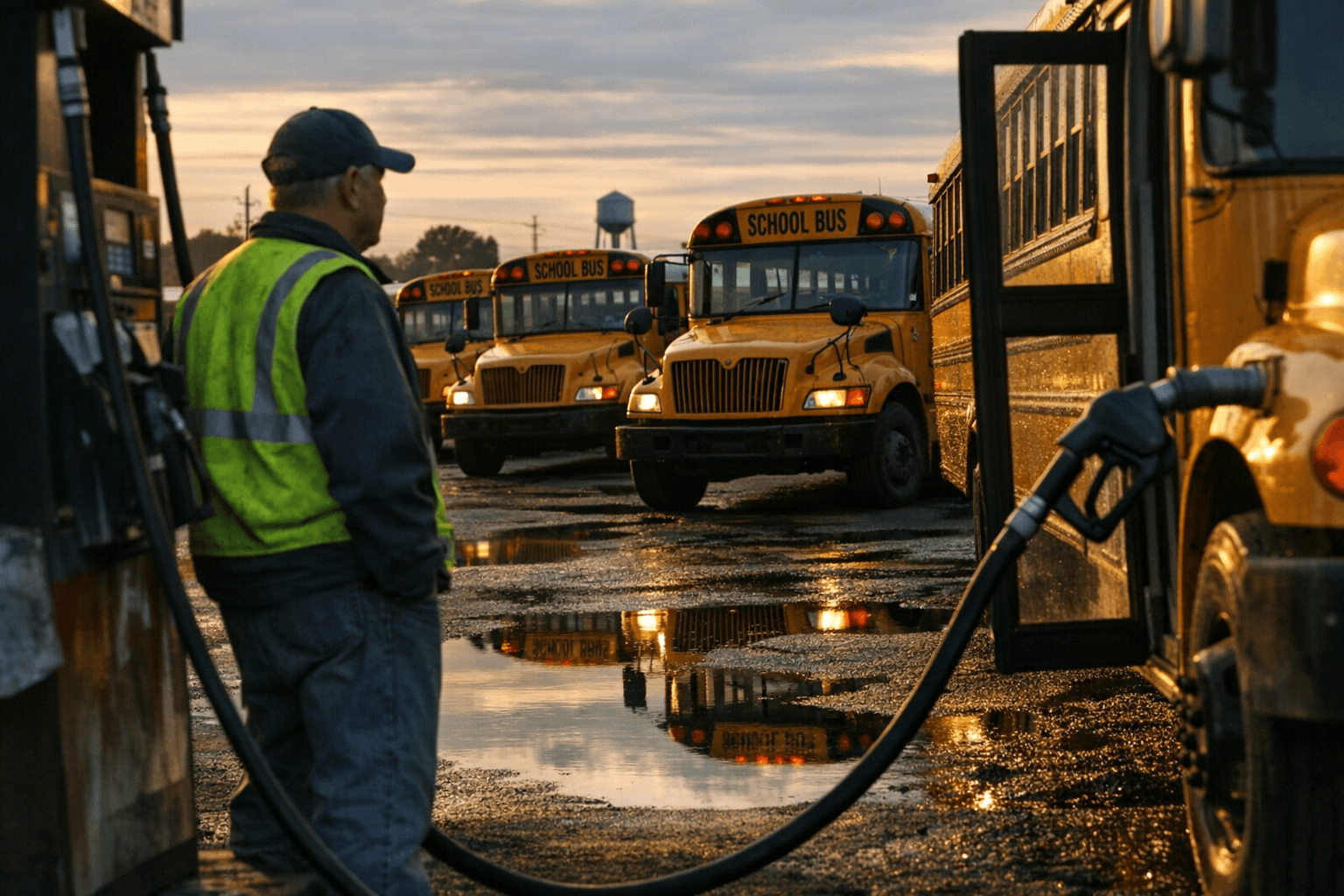
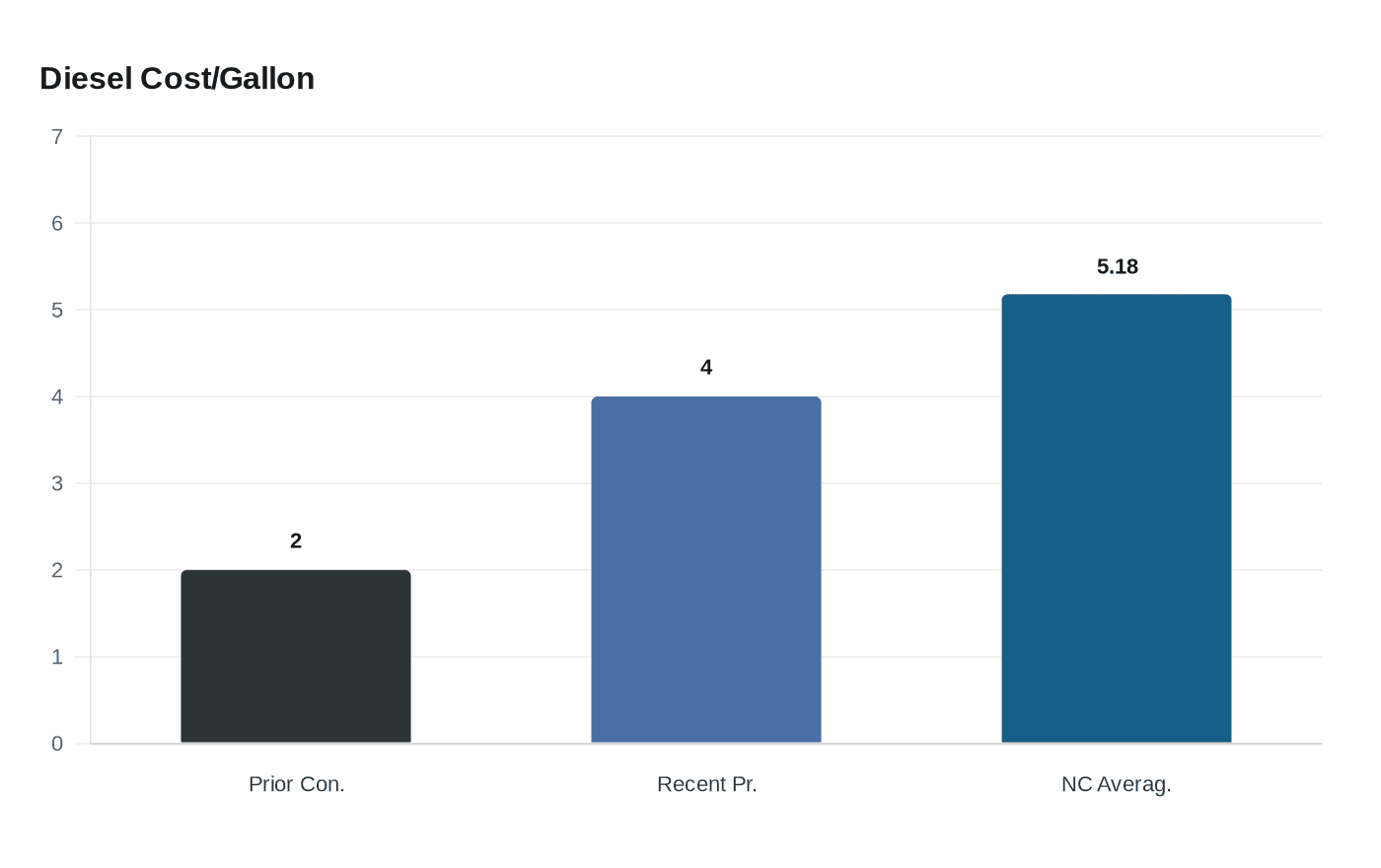
The Alamance-Burlington School System's fuel bill doubled in a matter of weeks after diesel prices that once held near $2 per gallon under a state contract climbed to roughly $4 per gallon on recent deliveries, pushing the district toward a stark choice: park buses or drain a budget that won't reset until July 1.
ABSS transportation official Emily-Lynn Adkins put the stakes in concrete terms. "We average about 6,000 gallons of diesel fuel every week with our 144 buses," she said. At $4 per gallon, that weekly tab now runs close to $24,000, compared to roughly $12,000 under the prior contract rate. Adkins outlined how the district plans to respond: "That means that we may hold off on repairs or maintenance on some buses. Of course, that doesn't mean that there are unsafe buses on the road. What we do is we take those buses off the road and we just hold them until July 1, when we have a new fiscal year and a new budget."
The city of Burlington faces a different, but potentially larger, exposure. Its fleet of 300 diesel-powered vehicles, spanning solid waste, fire apparatus, and public works, has been shielded so far by a stored fuel supply that has not required a refill at current market prices. That buffer will not last indefinitely. If prices hold, Burlington officials are weighing options that include combining routes, postponing nonessential work, and deferring repairs, measures that could touch trash pickup and emergency services alongside school transportation.
The price pressure driving those decisions is sharp even by statewide standards. According to AAA's state price tracker, diesel averaged $5.18 per gallon in North Carolina as of March 20, a figure roughly 47% higher than a month earlier. Mynews13 linked the surge to the conflict involving the U.S., Israel, and Iran, and reported that President Donald Trump said gas prices would fall quickly once the war ends, though that characterization was attributed specifically to Mynews13's reporting.
North Carolina's nearly 200 electric buses provide some insulation against the spike, though that relief is concentrated where those buses operate. In Greensboro, transit authority director Kevin Elwood credited the agency's electric fleet with keeping service intact. "Because of our fuel-saving actions, including having our electric battery buses, we will continue to operate throughout this crisis. And we encourage people actually to consider using public transportation during this time," Elwood said.
ABSS does not have electric buses to fall back on. With 6,000 gallons of diesel required every week just to keep its current schedule, the district's options narrow to budget math: absorb the higher cost through cuts elsewhere, reduce the number of buses on the road, or wait for July 1 and hope the market shifts before the new fiscal year opens with the same problem.
This article was produced by Prism’s automated news system from verified source data, official records, and press releases, then run through automated quality and moderation checks before publishing. The system is built and supervised by the people who set the standards it runs under. Read our full AI policy.
Did this article answer your question?