Community members paint Haw River logo mural at historical museum
Residents painted Haw River’s logo on the Historical Museum wall at 201 E. Main Street, turning downtown’s museum into a new marker of town identity. Motley Local helped.
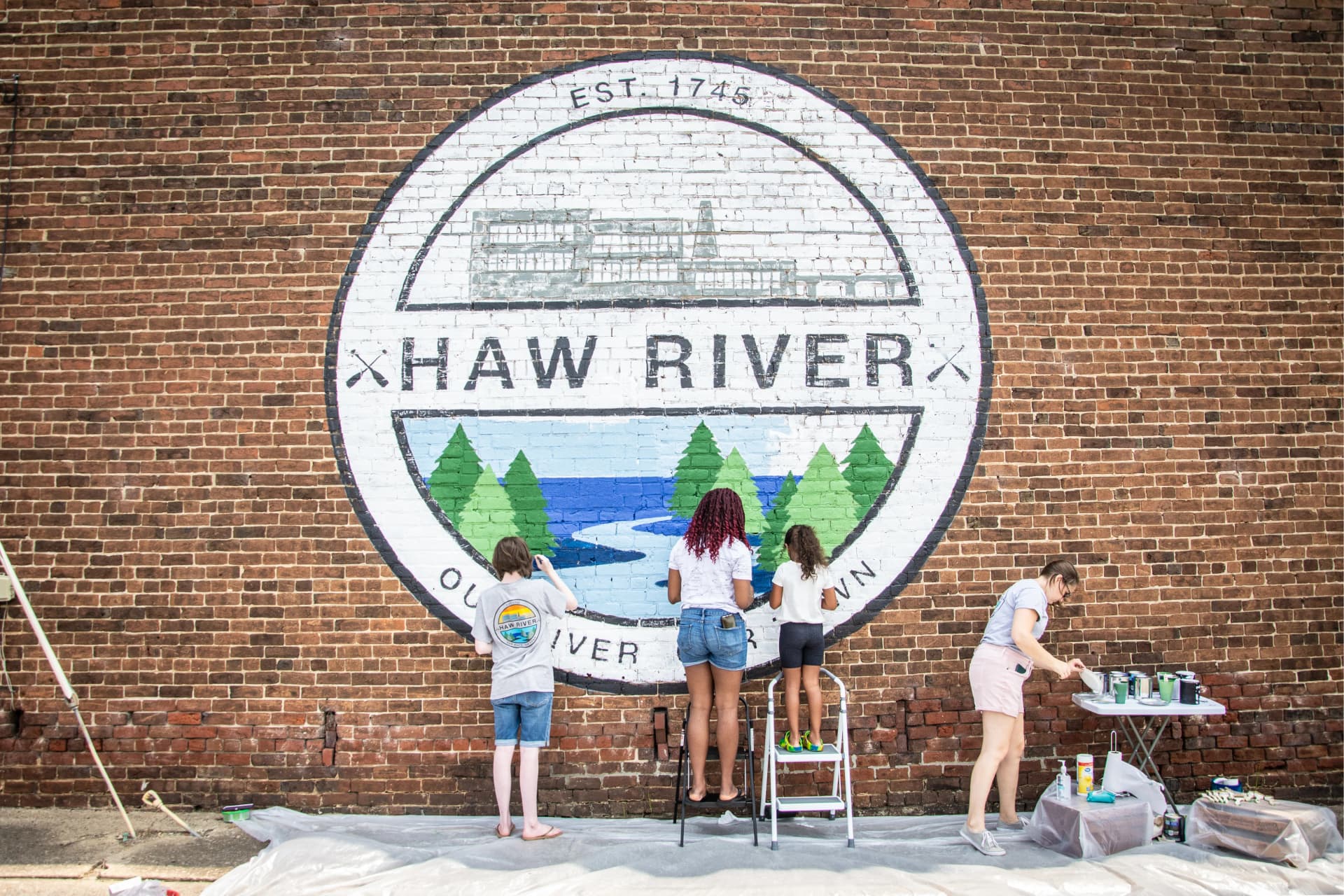
Community members painted Haw River’s town logo on the side of the Haw River Historical Museum at 201 E. Main Street, turning a downtown wall into a visible sign of the town’s identity. The weekend work drew local participation and included help from Greensboro-based community development firm Motley Local.
The museum setting gave the mural a second layer of meaning. The Haw River Historical Museum already sits at a place tied to the town’s past, and placing the logo there made the wall part of the streetscape on East Main Street, where it can be seen by people moving through downtown Haw River. The project functioned as both public art and a kind of civic branding, with the town’s name displayed on a landmark that already carries historical weight.
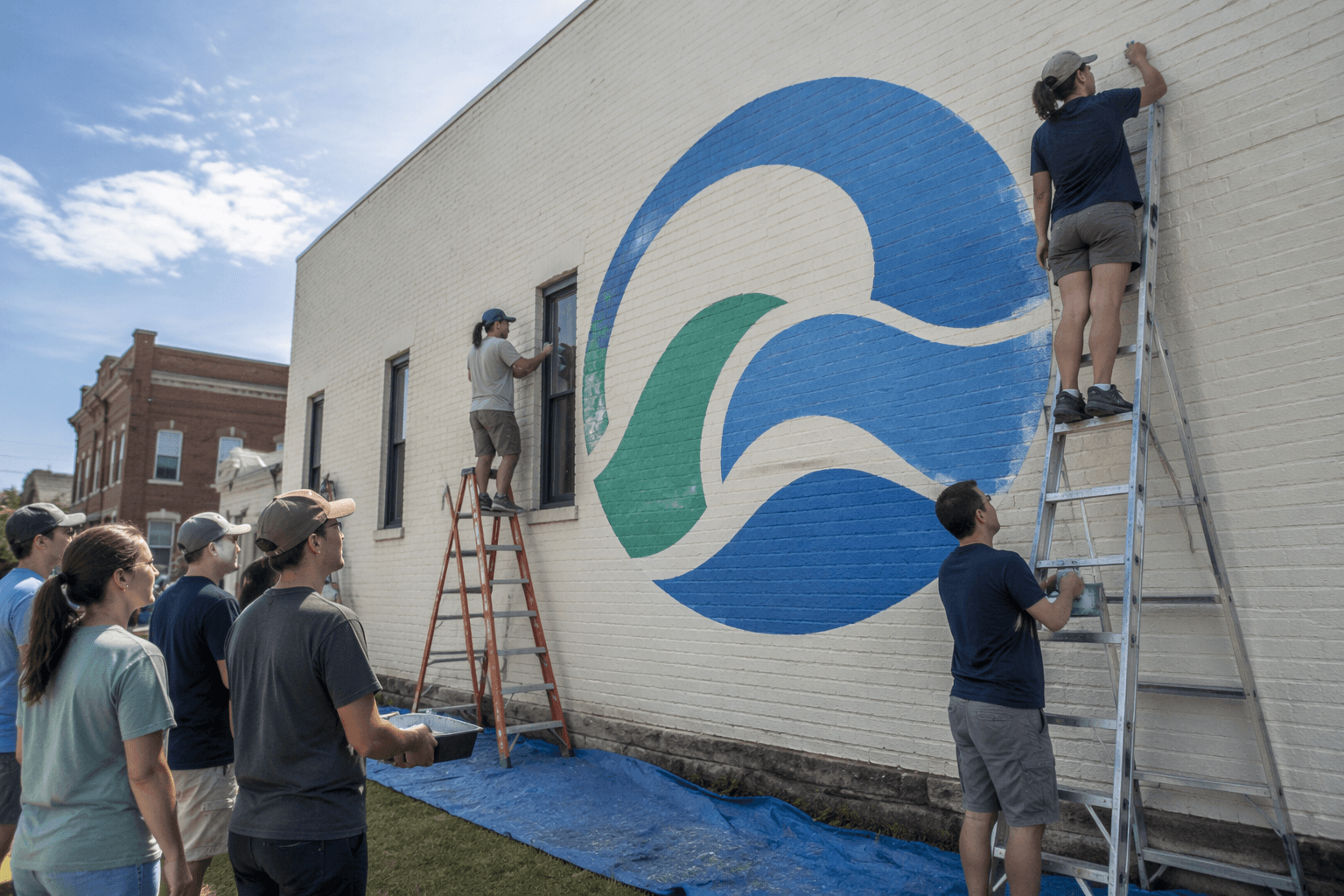
That sense of place matters in a town of 2,550 residents in Alamance County. Haw River sits on NC Highway 49, and Interstate 40 and Interstate 85 are just minutes away, a location that keeps the community connected while still giving it a distinct downtown core. Town officials describe Haw River as a place with a strong textile history and say it is the only town in North Carolina that can claim it was home to three North Carolina governors.
The mural also tied into that history. Visit Alamance describes the Haw River Historical Museum as being in the town once known as the Corduroy Capital of the World, a reminder that the museum wall stands in a place where local industry and civic memory overlap. The logo project gave that backdrop a new public face, one that points residents and visitors toward the downtown blocks Haw River wants seen first.
Small projects like the museum mural do not rebuild a downtown by themselves, but they can sharpen the town’s visual identity and create a landmark people recognize. In Haw River, the wall at 201 E. Main Street now does more than hold paint. It helps tell the story of a small Alamance County town that is still using its history to define its future.
This article was produced by Prism’s automated news system from verified source data, official records, and press releases, then run through automated quality and moderation checks before publishing. The system is built and supervised by the people who set the standards it runs under. Read our full AI policy.
Did this article answer your question?