Critics question Alamance commissioners’ approval of large Saxapahaw developments using wells
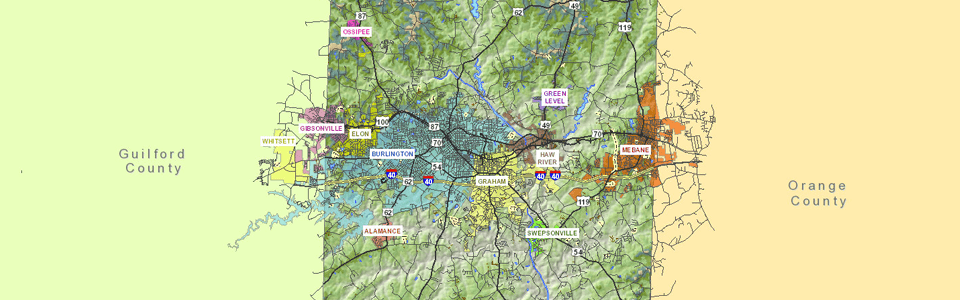
Alamance County is adding roads, landfill capacity and utility work near Saxapahaw as critics warn wells and wastewater could not keep pace.
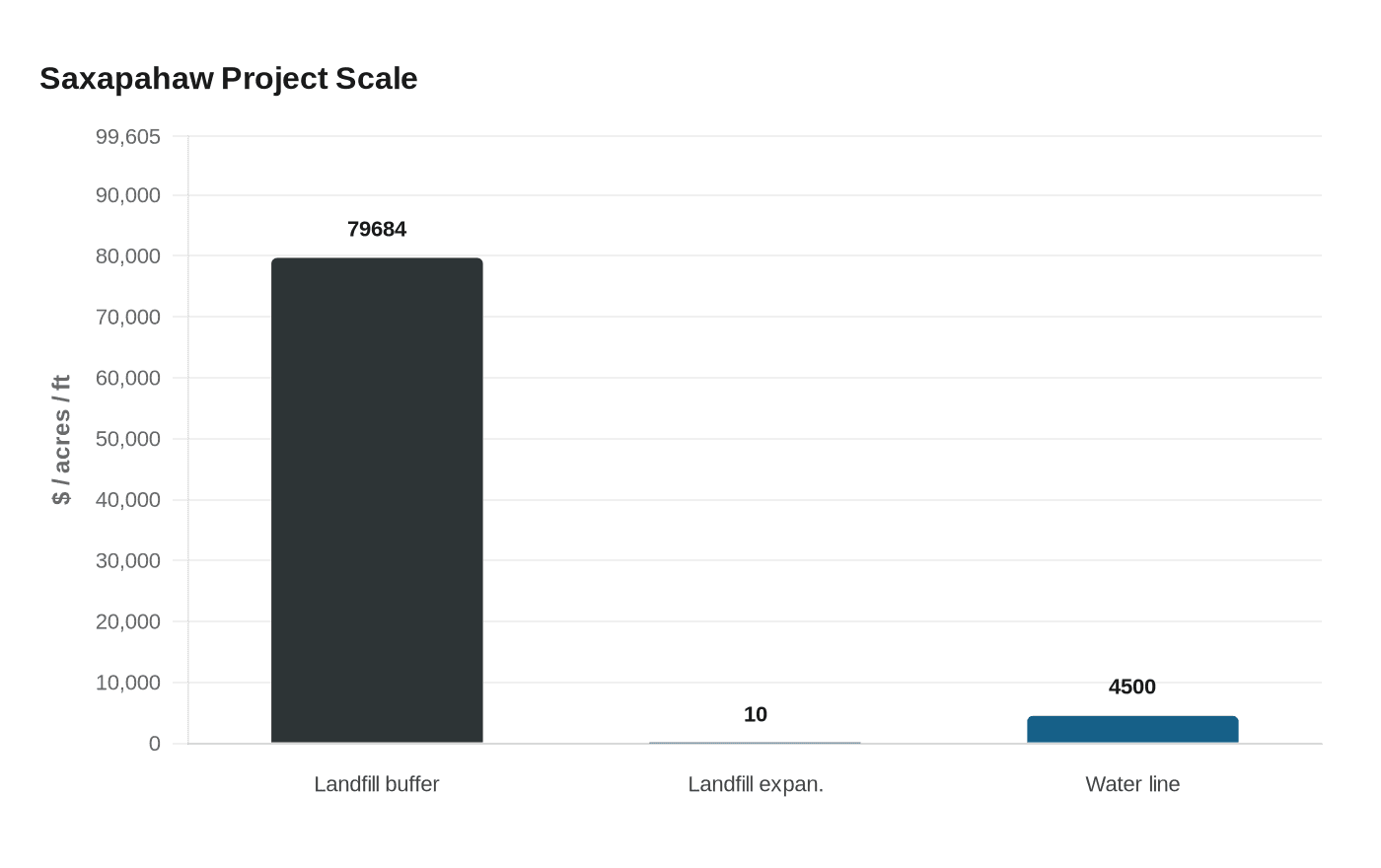
Alamance County commissioners have approved a landfill buffer purchase, a 10-acre landfill expansion and a new water line near Saxapahaw even as critics warn the area’s wells and wastewater systems could be pushed past their limits.
Saxapahaw is an unincorporated community about 10 miles southeast of Graham, and it sits in the Haw River watershed, where water quality and supply have long been sensitive issues. Alamance County Environmental Health permits and inspects drinking-water wells, handles well repairs and abandonment, and samples many wells each year, a reminder that much of the rural area still depends on private or community wells instead of county service.
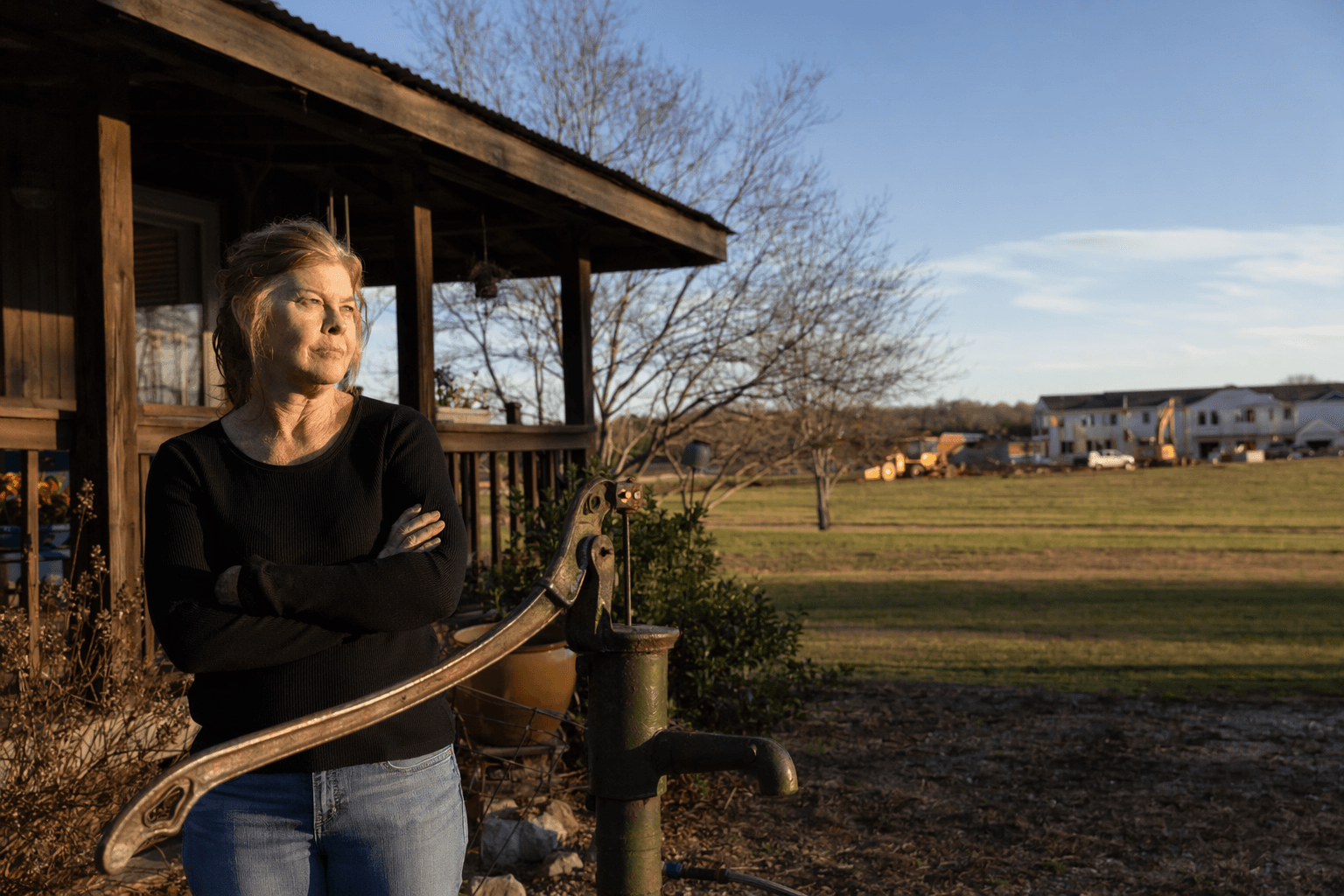
The political backdrop has been building for more than a year. In December 2024, county commissioners declined to pursue a planning board idea to increase minimum lot sizes in rural unincorporated areas, turning aside a proposal meant to preserve rural character and protect well-and-septic systems. By July 2025, Planning Director Matthew Hoagland told the planning board that Saxapahaw had been added to the Burlington-Graham Metropolitan Planning Organization’s 2050 transportation plan, making the area eligible for NCDOT sidewalk funding and signaling more infrastructure pressure ahead.
The county has also kept investing in the Swepsonville-Saxapahaw corridor. Commissioners bought property at 3410 Swepsonville-Saxapahaw Road for $79,684 to buffer the county landfill, then voted 5-0 to add 10 acres to the landfill and authorized drawing nearly $7.4 million from landfill reserves for improvements. In March 2026, the county sought engineering services for about 4,500 linear feet of 4-inch water line to serve six residences along Swepsonville-Saxapahaw Road, another sign that public utility needs are creeping outward in the same area.
At the same time, the Saxapahaw wastewater treatment plant has remained under scrutiny. The plant, operated by B. Everett Jordan & Son-1927 LLC under NPDES permit NC0042528, discharges treated domestic wastewater to the Haw River in the Cape Fear River Basin. In April 2026, Haw River Assembly said it had detected high levels of fecal bacteria from the plant during sampling since the start of 2026.
Haw River Assembly, founded in 1982 to protect and restore the Haw River and Jordan Lake, says the watershed covers eight counties and 920 miles of streams. That scale is why the debate around Saxapahaw is no longer just about one rural community. It is about whether Alamance County is approving growth faster than it can prove the water will stay safe, the wells will keep producing, and the costs will not fall on nearby neighbors.
This article was produced by Prism’s automated news system from verified source data, official records, and press releases, then run through automated quality and moderation checks before publishing. The system is built and supervised by the people who set the standards it runs under. Read our full AI policy.
Did this article answer your question?