Drought strains Alamance County farms as ponds and pastures dry up
A pond eight feet low at CJ Chevon Premium goat meat signaled the hit as Alamance County drought cut pasture growth, feed supplies and prices.
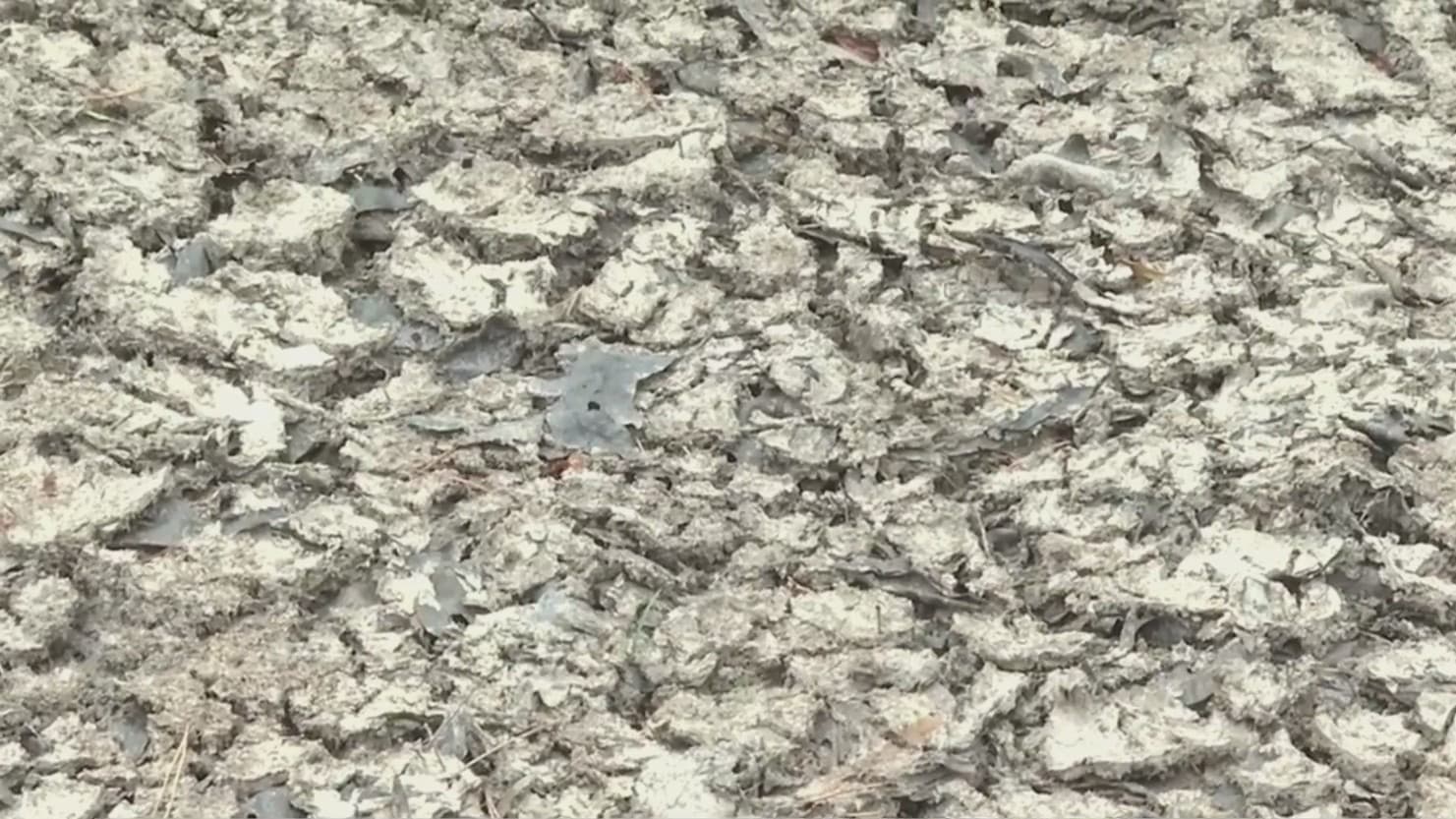
A pond on Charlie Ross’s Alamance County farm had already fallen about eight feet below normal, and that drop was rippling through every part of his goat operation. At CJ Chevon Premium goat meat, the water source helps feed the animals and support the crops and grazing land they depend on, so each dry week raised the pressure on the farm’s bottom line.
Ross said the summer growing season should have been building pasture, not slowing it down. Instead, the drought had stalled growth across the fields where his goats normally graze, leaving him with less feed and less certainty about how long he could hold the line if the dry weather continued. If the pond kept dropping, he said the operation would have few choices beyond waiting for rain or moving water from another pond.
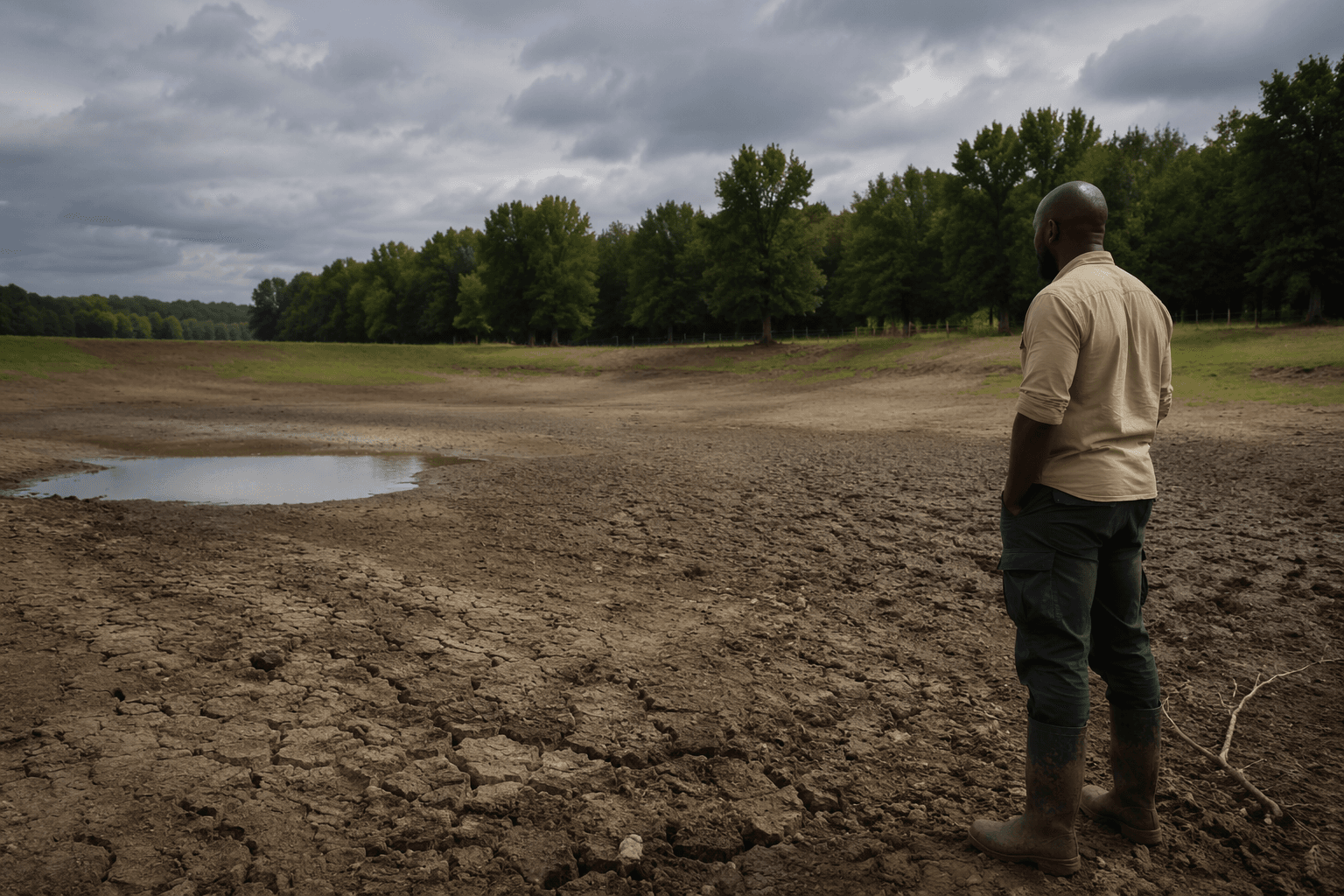
The strain was not limited to livestock producers. Bob Thomas, a local produce seller, said the dry spell had also hit products tied to spring flowering patterns, including honey. The lack of rain meant flowers were not producing as they should, which cut into honey output for one of his suppliers and added another layer of pressure to the county’s farm economy.
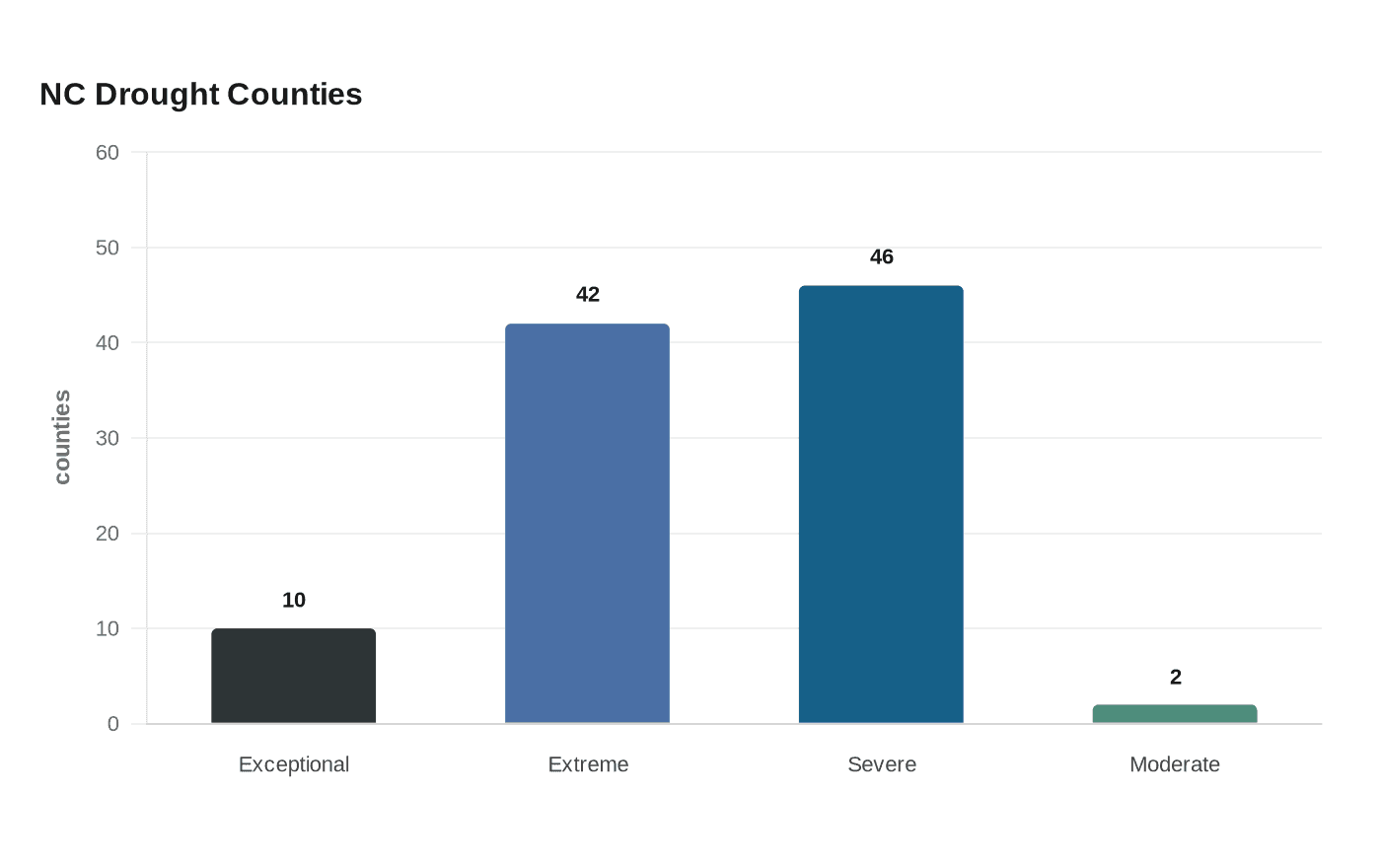
That local stress matched a much wider drought picture across North Carolina. On June 18, state drought officials said 10 counties were in exceptional drought, 42 in extreme drought, 46 in severe drought and two in moderate drought. The state drought council said Memorial Day weekend rain brought only short-lived relief, and many parts of the state were still among their five driest starts to the year.
The drought had already deepened by late April, when state officials said 47 counties were in extreme drought and rainfall totals were running 10 inches or more below normal over the previous six months. Near-record-low groundwater levels and low streamflows were raising concerns about water supplies and possible restrictions if conditions persisted.
Alamance County was included in a federal disaster designation issued April 10, naming 40 North Carolina counties as primary natural disaster areas because of drought. Farmers in those counties had eight months from the declaration to apply for emergency loans through the Farm Service Agency if they met the requirements.
The county’s farm profile shows why the drought cuts so quickly here. The 2022 Census of Agriculture counted 724 farms in Alamance County on 68,769 acres of land in farms. Livestock, poultry and products made up 75% of agricultural sales, while pastureland totaled 17,958 acres and forage and hay covered 12,181 acres. With so much local production tied to grazing and feed crops, the lack of rain could mean thinner harvests, higher feed costs and higher prices at local markets if the dry pattern holds.
This article was produced by Prism’s automated news system from verified source data, official records, and press releases, then run through automated quality and moderation checks before publishing. The system is built and supervised by the people who set the standards it runs under. Read our full AI policy.
Know something we missed? Have a correction or additional information?
Submit a Tip