Glencoe Mill Village preserves Alamance County's textile heritage
Glencoe Mill Village lets you see Alamance County’s textile past in one place, from the old mill and company store to more than 30 homes along the Haw River.
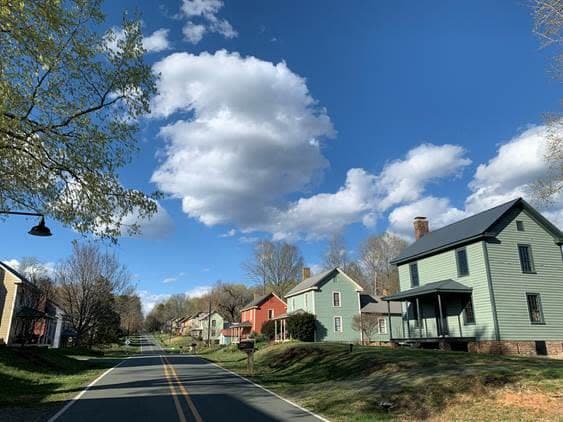
Glencoe Mill Village is the clearest place in Alamance County to stand inside the textile economy that shaped the region. Just north of downtown Burlington along the Historic Haw River, the village still holds the mill buildings, the company store, the homes and the river setting that made the place work, all on a landscape that has stayed unusually legible for more than a century.
What still stands at Glencoe
The Glencoe Cotton Mill complex was begun in 1880 and built across 105 acres between 1880 and 1882. William E. Holt and James H. Holt, sons of textile pioneer Edwin M. Holt, developed the site, and James H. Holt managed it as the family operation grew. The mill was the last water-powered mill built in Alamance County, a detail that makes the site more than a preserved village, since it marks the end of a particular phase of industrial building in the county.
Glencoe’s output connected Alamance County to markets far beyond the Haw River valley. Its signature product was plaid cotton flannel, along with flannel and other cotton cloth that was shipped to finishing mills across the United States. By 1890, Glencoe was one of 17 cotton mills that made Alamance County the leading cotton manufacturing center in North Carolina in terms of cotton looms and spindles, which helps explain why this one site carries so much of the county’s industrial story.
The village name itself reaches back farther than the mill. NCpedia says Glencoe was named for a Scottish battle, a reminder that the site joined local labor, family enterprise and broader cultural references from the start. The Holt family operated the mill until 1954, closing a long chapter in which one family shaped both the plant and the village around it.
How to experience the village today
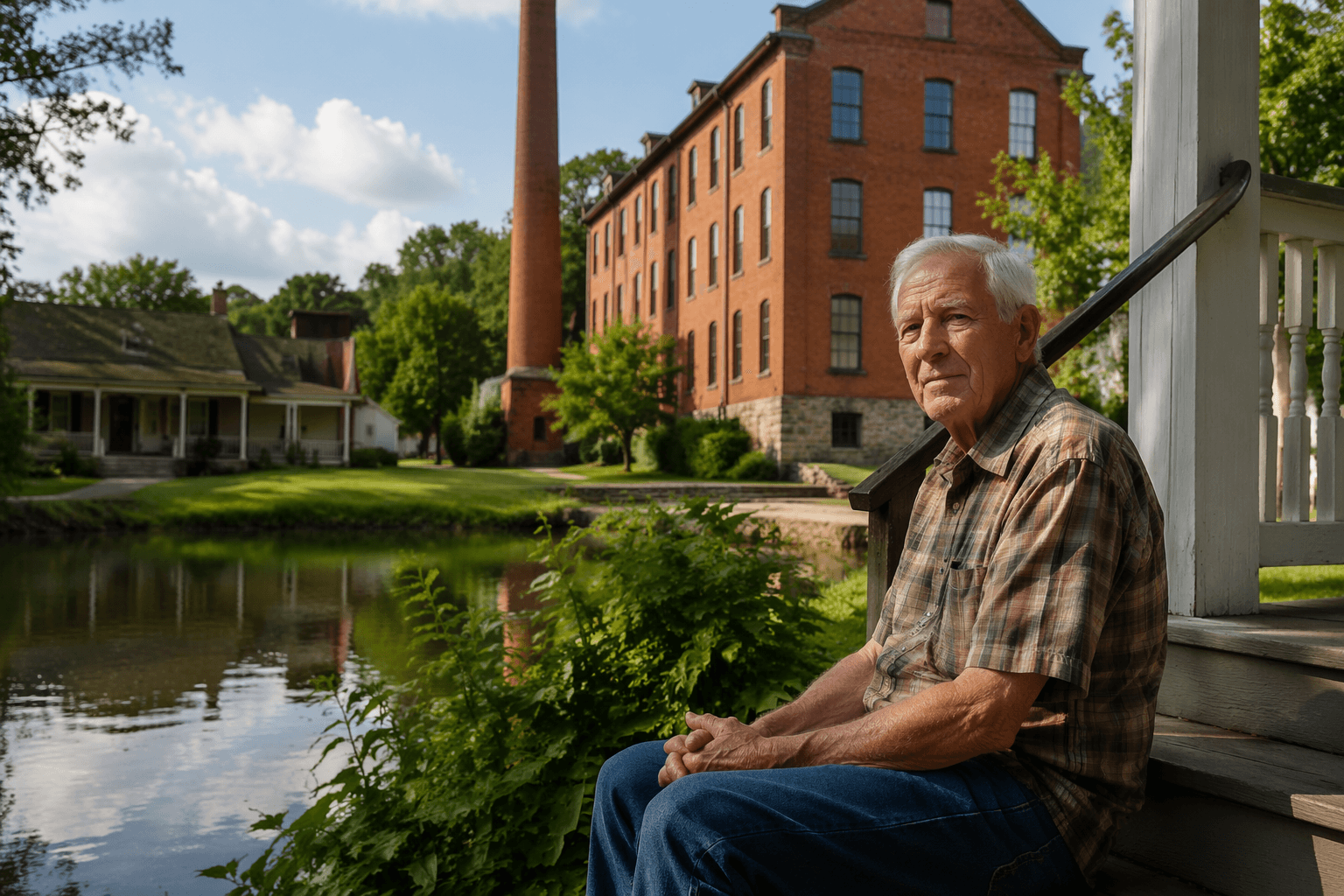
What makes Glencoe especially useful for visitors is that it is still readable on foot, by car and from the river. The complex retains the mill production buildings, and the former company store and administrative offices now house the Textile Heritage Museum. An active Baptist church remains in the village, a former barber shop is now a private residence, and restored homes are still occupied by private residents, so the place feels lived in rather than frozen.
The museum deepens that experience with hundreds of original textile artifacts, including massive machine looms, knitting and sewing machines, and office equipment once used for orders, billing and correspondence. Visitors can see how the business side of the mill worked, not just how the machines moved cloth. The museum is open Tuesday through Saturday from 9 a.m. to 5 p.m., admission is free, and the museum says to plan 1 to 2 hours there and time walking or driving through the village.
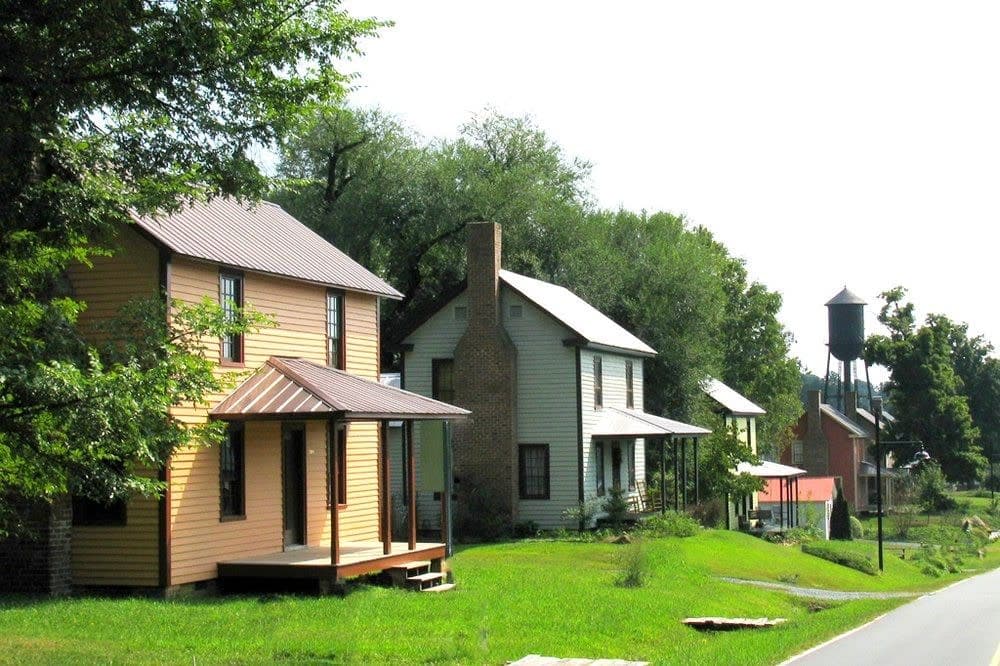
That time is worth taking because the village still shows the full structure of a mill community. More than 30 historic homes remain in the district, and the site includes hiking trails, kayak and canoe access, picnic areas and public fishing along the Haw River. Interpretive markers and a self-guided tour help connect those features, so a visit can move from the industrial core to the residential streets to the river edge without losing the thread of how the place functioned.
Why preservation matters here
Glencoe’s preservation record is unusually strong. The village was listed on the National Register of Historic Places in 1979, designated an Alamance County historic landmark in 1997 and created as a Burlington local historic district on October 5, 1999, by the Burlington City Council. Burlington’s historic-preservation materials say Preservation North Carolina, Alamance County and the City of Burlington worked cooperatively on that local district, which turned the village into a protected part of the city’s historic fabric.
That protection came after a low point. Preservation North Carolina began taking an interest in Glencoe in 1997, after the mill had become a ghost mill and the village had become a ghost town. The organization says the houses were abandoned and left to deteriorate until preservationists stepped in about 30 years ago. At the height of its success, the mill supported about 500 people, and about half of them lived in the village, so rehabilitation preserved not just structures but a former company town that once held an entire working community.
That broader context is what gives Glencoe its countywide importance. Alamance County’s textile identity did not come from one mill alone, but from a network of plants, workers and river-powered industry that once made the county the state leader in cotton looms and spindles. Glencoe remains one of the best complete preserved 19th-century textile mill villages in the southeastern United States because its manufacturing core, power-and-water system and residential life still read together in one place. Scattered mill remnants elsewhere can suggest the past; Glencoe still shows how Alamance became a textile county.
What readers would miss if it were lost
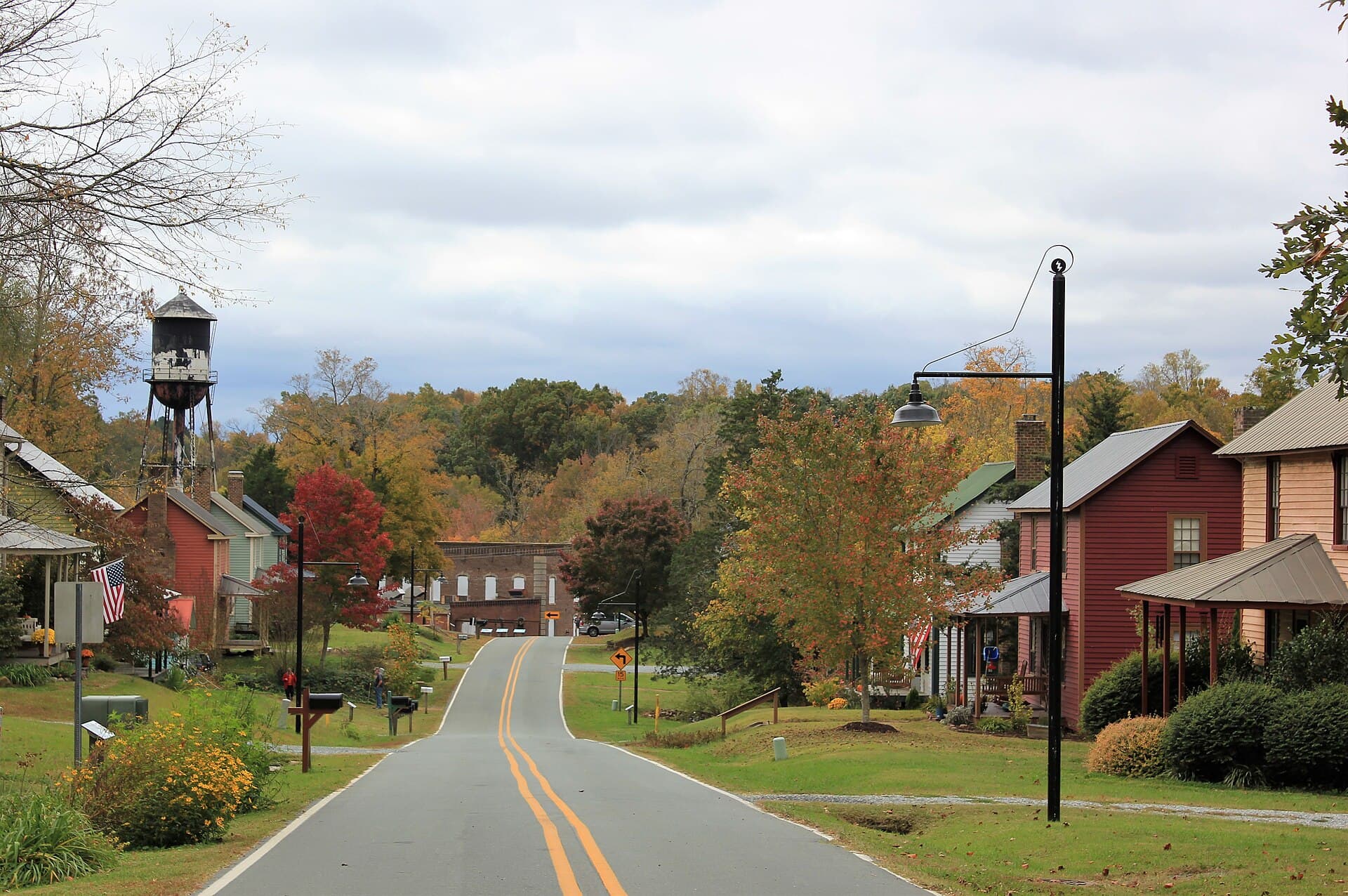
If Glencoe were not maintained, the county would lose more than a historic backdrop. The village is one of the few places where you can still see the relationship between the Haw River, the mill, the company store and the workers’ homes without having to reconstruct it from maps or plaques. That makes it a rare teaching site for local history, industrial preservation and community memory all at once.
For Alamance County, Glencoe is also a reminder that the textile era was not abstract or distant. It was built by the Holt family, powered by water, staffed by hundreds of workers and anchored in a village that still stands north of Burlington. The preservation work done there keeps that story visible in brick, wood, riverbank and road, and it gives residents a concrete place to understand how the county’s industrial past shaped the places they still use today.
This article was produced by Prism’s automated news system from verified source data, official records, and press releases, then run through automated quality and moderation checks before publishing. The system is built and supervised by the people who set the standards it runs under. Read our full AI policy.
Know something we missed? Have a correction or additional information?
Submit a Tip