Elon council weighs clearer RV parking rules after 42 violations
Elon paused RV enforcement after staff found 42 ETJ violations, then ordered a rewrite of the rules residents said were too vague and too strict.

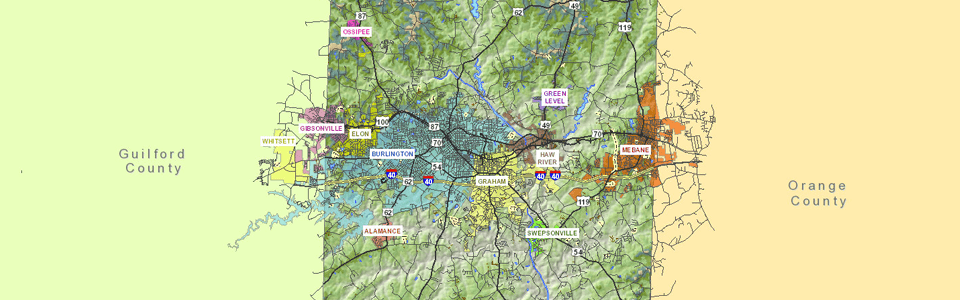
A 42-violation tally in Elon’s extraterritorial jurisdiction pushed the town council to slow down and redraw its RV parking rules instead of stepping up enforcement under the current language. Town leaders said the issue is no longer just about where one homeowner can park a trailer. It is about whether Elon should regulate RVs in a way that works both inside town limits and in the neighborhoods just beyond them.
At the council’s May 28 meeting, members told planning staff to revise the Land Management Ordinance rather than move the RV rules into the town code of ordinances. That choice matters because the LMO covers both Elon’s municipal limits and its ETJ, while the town code would reach only properties inside the town line. Residents on the edges of Elon have been part of the same complaint pattern as people inside town, and council members opted for a rule set that would apply consistently across that broader area.
The current rules are tight. In residential zoning districts, RVs generally cannot be parked in front of a home. They may be kept in a backyard or side yard only if they are screened or enclosed in a building, and even then the owner must pay a $60 zoning compliance permit. The ordinance also allows an RV to sit in front of a home for up to seven days per calendar year, whether those days are consecutive or not. For homeowners, that means routine front-yard or street-facing RV parking could draw zoning enforcement, while limited temporary parking would still be allowed.
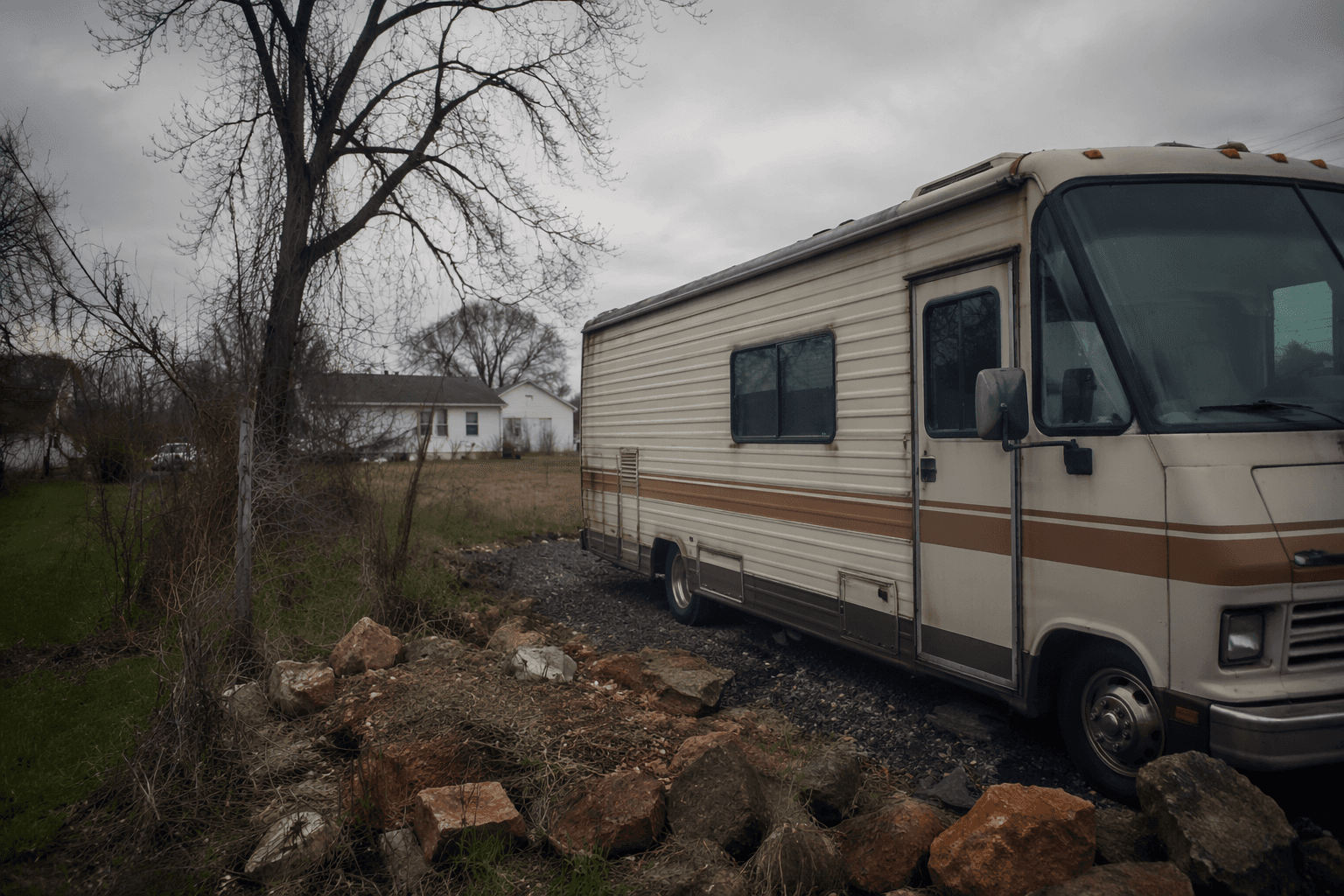
Town planning staff said the debate sharpened after neighbor complaints led them to identify 42 RV violations in the ETJ. Elon then held two community meetings, on April 13 and April 26, with about 27 people attending. Staff reported that those residents were overwhelmingly opposed to the screening and permit requirements. In response, the town temporarily stopped enforcing the existing RV restrictions while the ordinance is rewritten.
The dispute also reflects how Elon handles land-use regulation more broadly. The town’s planning and zoning staff process zoning permits, fence permits, rezoning requests, variances, appeals and ordinance interpretations, while the town says it contracts with Alamance County for building permit processing and inspections. Elon’s FAQ says most construction-related zoning applications carry a $60 processing fee, the same amount tied to the RV compliance permit. Under North Carolina law, cities can exercise planning authority in their corporate limits and in an ETJ, with extraterritorial representation required on planning-related boards. That gives Elon a legal path to keep RV rules in place outside town limits, and it sets a precedent for how the town may handle future code changes when neighborhood standards collide with property rights.
This article was produced by Prism’s automated news system from verified source data, official records, and press releases, then run through automated quality and moderation checks before publishing. The system is built and supervised by the people who set the standards it runs under. Read our full AI policy.
Did this article answer your question?