Elon University criticized over response to ICE expansion backed by sheriff
Elon faced backlash for staying quiet as ICE expanded in North Carolina, with critics saying the university left immigrant families in Alamance County without clear support.
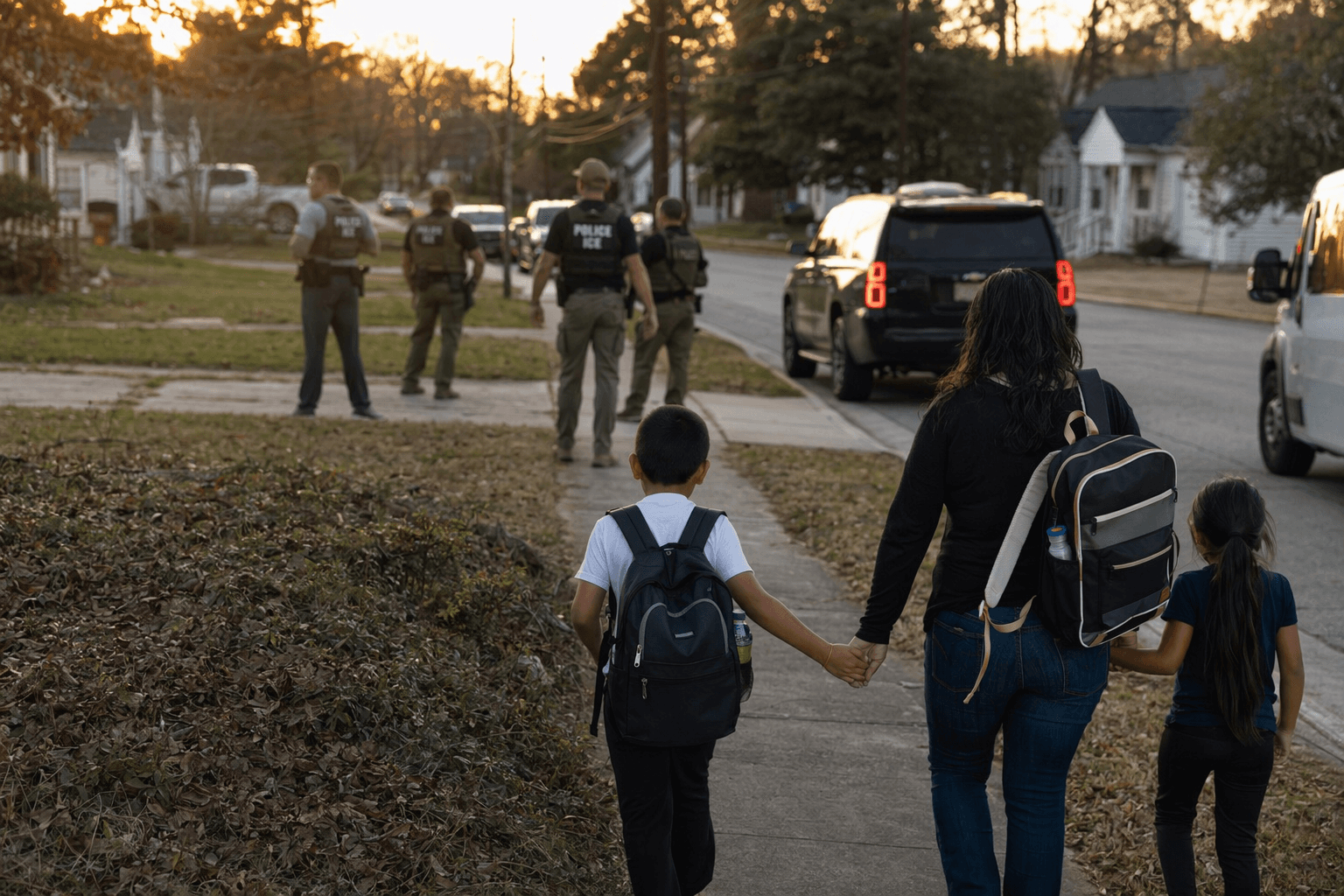
Elon University faced criticism for not taking a stronger public stand as U.S. Immigration and Customs Enforcement expanded operations in North Carolina, a move backed locally by Alamance County Sheriff Terry S. Johnson. The criticism centered on the gap between the university’s deep ties to the county and what students, faculty and immigrant families saw as a muted response to a policy shift with direct consequences for campus trust and neighborhood safety.
Johnson has served as sheriff since 2002, and Alamance County was among the first local law-enforcement agencies to join ICE’s 287(g) program in 2007. Under that agreement, trained sheriff’s-office personnel can carry out certain immigration-enforcement functions under ICE supervision. The county’s long relationship with ICE has made it one of the state’s most closely watched places in the immigration debate, especially after the U.S. Department of Justice found in 2012 that the sheriff’s office had engaged in a pattern or practice of discriminatory policing against Latino people.
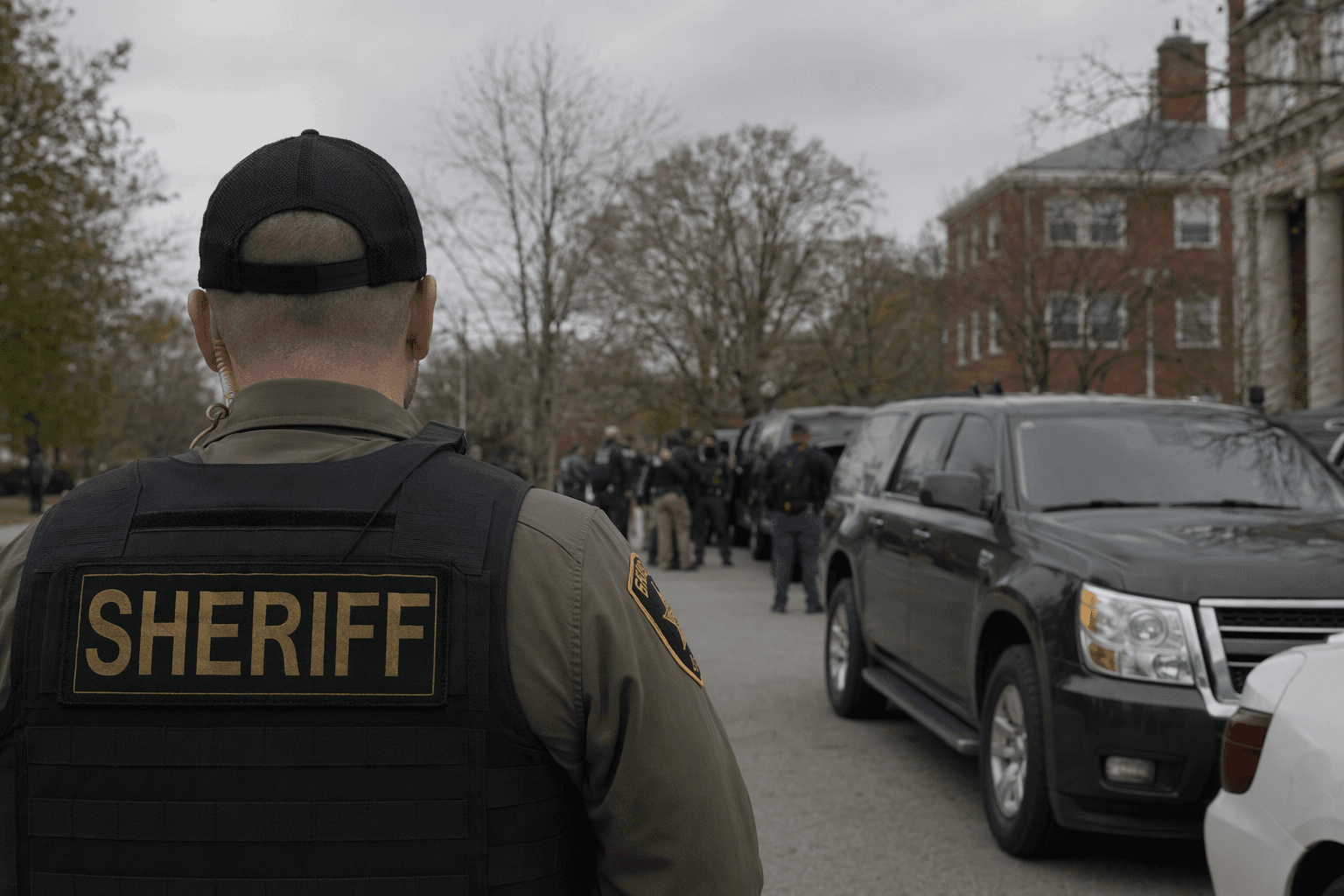
That history remains central to fears in a county that the Census Bureau estimates reached 186,177 residents in 2025. Alamance County is 16.2% Hispanic or Latino, 9.5% foreign-born and 15.5% language other than English at home, figures that have made immigration enforcement a highly personal issue in Burlington, Graham and Elon. In April 2023, the American Civil Liberties Union of North Carolina, the North Carolina Justice Center and Siembra NC filed a complaint with federal civil-rights officials arguing that the 287(g) partnership fuels fear, chills access to services and deepens mistrust.
The pressure on local institutions grew after North Carolina House Bill 318 took effect on Oct. 1, 2025, increasing sheriffs’ obligations to cooperate with ICE in certain cases. House Bill 307, known as Iryna’s Law, became active on Dec. 1, 2025. Alamance County said its sheriff’s office would stop housing and transporting ICE detainees effective Nov. 16, 2025, citing changes in state law and space constraints.
Elon’s silence drew sharper notice because the university has spent years building local partnerships, including Elon Academy in Alamance County, and has previously taken a public stance on ICE-related policy. During President Donald Trump’s first term, Elon University president Connie Book joined a 2020 lawsuit challenging a rule that would have forced international students to leave the country if their campuses went fully online.
In November 2025, administrators Jon Dooley and Randy Williams emailed faculty about community questions over ICE operations, but critics said the message stopped short of a public position. With late-2025 arrests and expansion plans still fresh in local memory, the dispute has become less about campus communications than about who in Alamance County is willing to defend immigrant students, families and neighbors when enforcement pressure rises.
This article was produced by Prism’s automated news system from verified source data, official records, and press releases, then run through automated quality and moderation checks before publishing. The system is built and supervised by the people who set the standards it runs under. Read our full AI policy.
Did this article answer your question?


