Elon University, Town Resolve Dispute, Restore Annual Funding Agreement
Elon University paused nearly $500K in annual town funding over a fire-inspection dispute; town manager Richard Roedner says a two-year agreement is now restored.

A fire-inspection dispute that prompted Elon University to pause nearly $500,000 in annual contributions to the Town of Elon has been resolved, with the university committing to fund the municipality through the current fiscal year and the next, town manager Richard Roedner confirmed.
The contributions, which amount to roughly 3.6% of the town's general-fund revenue this year, went on hold in November after the town hired a part-time fire marshal and began enforcing a new inspection workflow that the university found more time-consuming than its prior arrangement with the Alamance County fire marshal. University chief of staff Patrick Noltemeyer, who serves as associate vice president and chief of staff to the board of trustees, described the halt as a temporary pause while faculty and university officials adjusted to the new inspection timetable.
Roedner said town administrators had largely treated the university's annual payment as a reliable line item until the pause landed. Discussions between the two sides stretched through late fall and into winter before yielding an agreement. "They have agreed to provide funding for the current year and the next budget year," Roedner said.
The core friction traced back to a procedural shift: when the Town of Elon brought its own fire marshal on board, it assumed direct authority over fire-code certification for facilities within town limits. Elon University, long accustomed to county-level inspections, found the new municipal process moved more slowly than expected. That slower timeline, and the negotiations it triggered over compliance procedures, became the proximate reason the university withheld contributions while both sides worked out expectations.
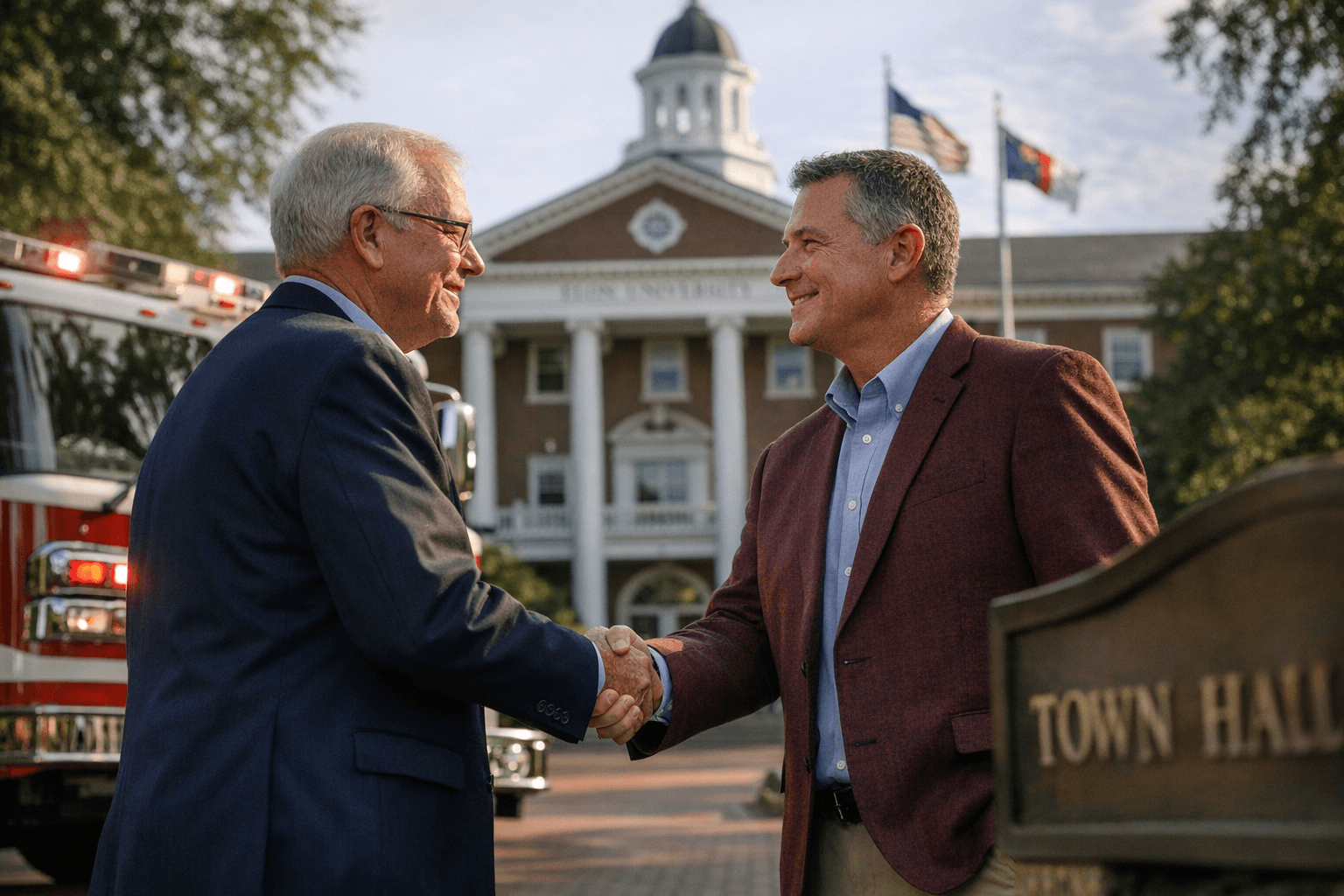
The financial stakes were immediate. For a small municipality where a single institutional partner provides more than one dollar out of every twenty-eight in general-fund revenue, an unannounced November pause forced town leaders to revisit revenue assumptions mid-budget cycle and reconsider what service levels the town could guarantee. The resolution re-establishes the payment baseline Elon's budget planners had built around and removes a near-term gap that had no obvious replacement.
The episode also exposed a structural vulnerability in Elon's finances that the settlement does not permanently seal. The two-year commitment gives the town stability through the next budget cycle, but the underlying arrangement remains a voluntary contribution rather than a contractual obligation, leaving the town exposed should a future procedural disagreement produce another pause. Both Roedner and Noltemeyer framed the relationship as repaired, and the town's new inspection regime as something the university has now had time to absorb.
What the dispute clarified is that operational decisions inside Town Hall, including the seemingly routine step of hiring a part-time fire marshal, can carry direct fiscal consequences when a small town's revenue is concentrated in a single large neighbor. Getting the inspection calendar and compliance timelines into clearer written form before the next budget year begins will determine whether this winter's friction becomes a footnote or a recurring pattern.
This article was produced by Prism’s automated news system from verified source data, official records, and press releases, then run through automated quality and moderation checks before publishing. The system is built and supervised by the people who set the standards it runs under. Read our full AI policy.
Did this article answer your question?