Graham City Council Eases Public Comment Time Limits, Keeps End-of-Meeting Format
Graham's city council scrapped a proposed 30-minute cap on public comments and trimmed individual speaking time from four minutes to three, passing the changes 4-1.

Graham's city council retreated from its most restrictive proposals on public comment rules, voting 4-1 to eliminate a proposed 30-minute overall cap and reduce individual speaker time from four minutes to three — but held firm on keeping public comments at the end of monthly meetings rather than moving them earlier in the agenda.
The council had originally floated cutting individual speaker time all the way to two minutes alongside the 30-minute cap. Tuesday night's outcome landed between those two extremes: no overall time ceiling, and a three-minute individual limit that is tighter than the current four minutes but more generous than the two-minute proposal.
Mayor Chelsea Dickey cast the lone dissenting vote on the final 4-1 tally. She had been the one to propose moving public comments to an earlier slot in the meeting agenda, a position she held consistently through both votes. Council members Chin, Bonnie Whitaker, Mayor Pro Tem Ricky Hall, and Young voted in favor.
The path to that final outcome required two separate motions. Council member Young first moved to remove the 30-minute cap, allow three minutes per speaker, and place public comments earlier in the agenda. That motion failed 2-3, with Young and Mayor Dickey in favor and Chin, Hall, and Whitaker opposed. Young then reversed course on the placement question and joined the majority on the second vote, which locked in the three-minute limit and the end-of-meeting format.
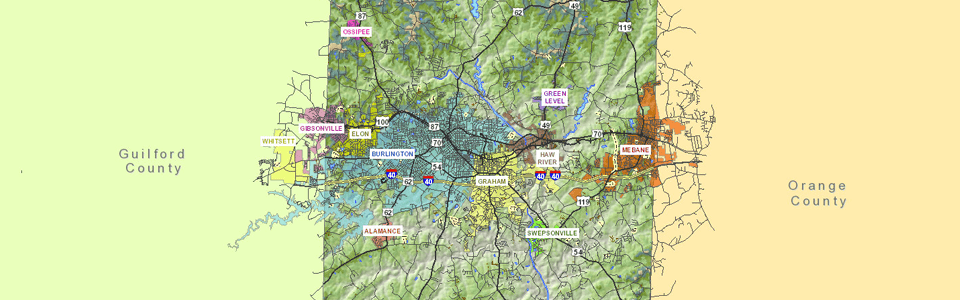
Graham's decision to keep public comments at the tail end of its monthly meetings leaves the city at odds with most of its neighbors. The Alamance County commissioners, Burlington City Council, Mebane City Council, Elon Town Council, Gibsonville's Board of Aldermen, and the Alamance-Burlington School Board all hold public comments earlier in their meetings. Among local governing bodies, only Haw River's town council similarly places public comments toward the end of its monthly meetings.

The Alamance County Board of Commissioners has been navigating its own parallel conversation about public participation. County meeting records show the board operates on a two-session monthly schedule: a first-Monday session at 9:30 a.m. designed for staff presentations and board discussions without any votes, and a third-Monday business meeting at 6:30 p.m. where formal votes and public comments take place. County Manager York described that structure as consistent with neighboring jurisdictions and intended to give the board more time to fully consider items before acting.
Within that county-level discussion, tensions similar to Graham's surfaced. Vice-Chair Carter said county citizens "should not have to wait 30 days to participate in public comments." Commissioner Thompson argued that "while rules like time limits were necessary, flexibility was important so county citizens who took time to attend meetings were fully heard." Chair Allen pressed for fairness, noting that citizens were capped at three minutes while board members spoke longer, and said any decision to extend public comment time should come from a full board vote rather than unilateral action by the chair.
County Manager York added that under Section 5 of the county's agenda rules, the chair already holds authority to extend public comment time without a board vote. York also outlined a proposed process under which county staff would track public comments, follow up with speakers using relevant subject-matter expertise, document the responses, and post them publicly to improve transparency.
This article was produced by Prism’s automated news system from verified source data, official records, and press releases, then run through automated quality and moderation checks before publishing. The system is built and supervised by the people who set the standards it runs under. Read our full AI policy.
Did this article answer your question?