High E. coli levels raise water quality concerns on Haw River
Brown, foul-smelling water and E. coli levels more than 12 times a safe benchmark have raised alarms along the Saxapahaw stretch of the Haw River.
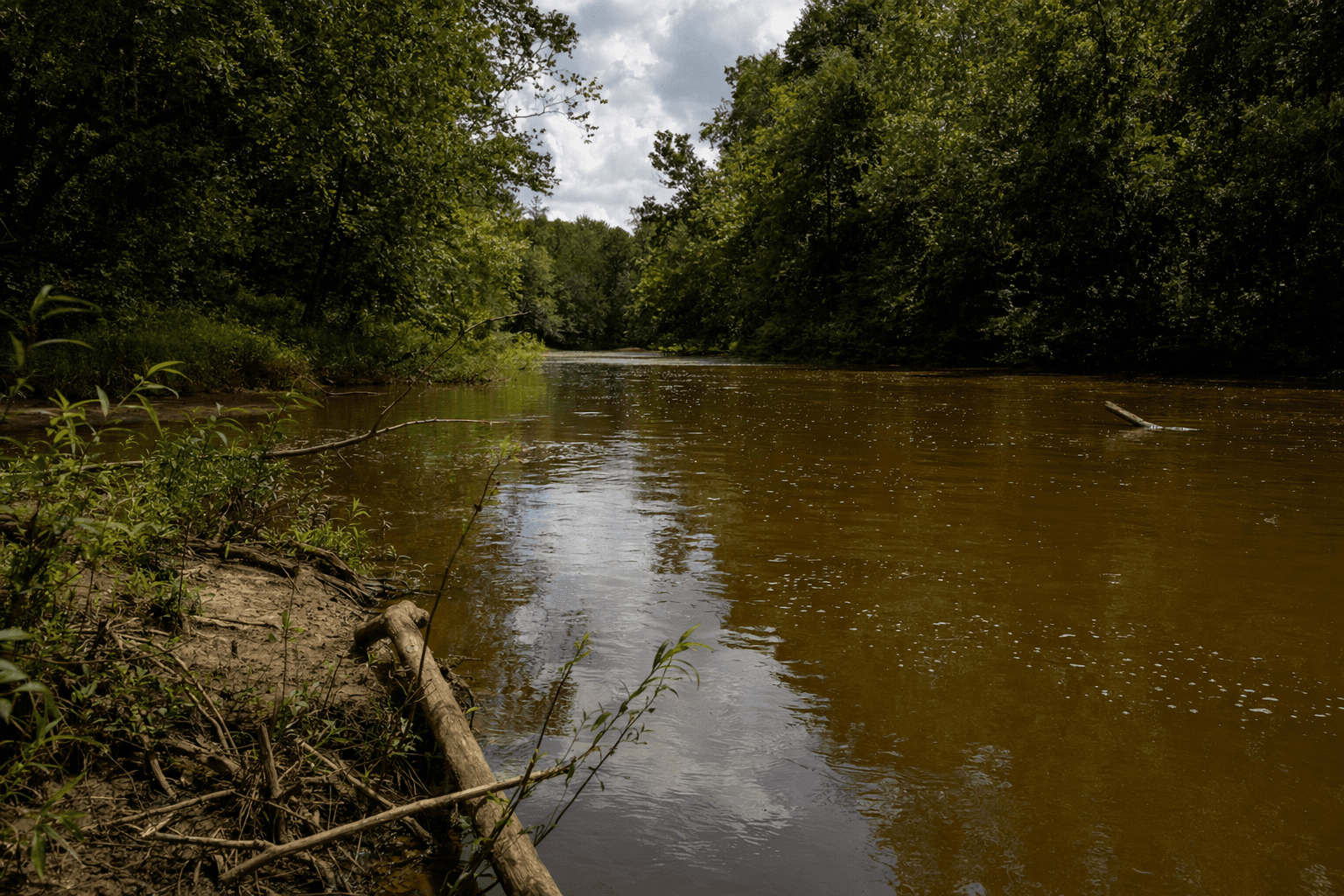
Families heading to the Haw River near Saxapahaw this weekend are facing a hard warning sign: residents say they can smell the river before they see it, and the Haw River Assembly says some samples near the Saxapahaw Wastewater Treatment Plant were so contaminated that labs could not measure the E. coli without dilution. The group also said the water in some samples was brown, foul-smelling and carried floating solid material.
The stretch is not an isolated industrial discharge point. A park sits directly across the river from the plant, and outfitters send kayakers and tubers through the same waters. That makes the current water-quality concerns immediate for anyone planning to swim, float or launch a boat in the Saxapahaw area, where river access and recreation are part of daily life in Alamance County.
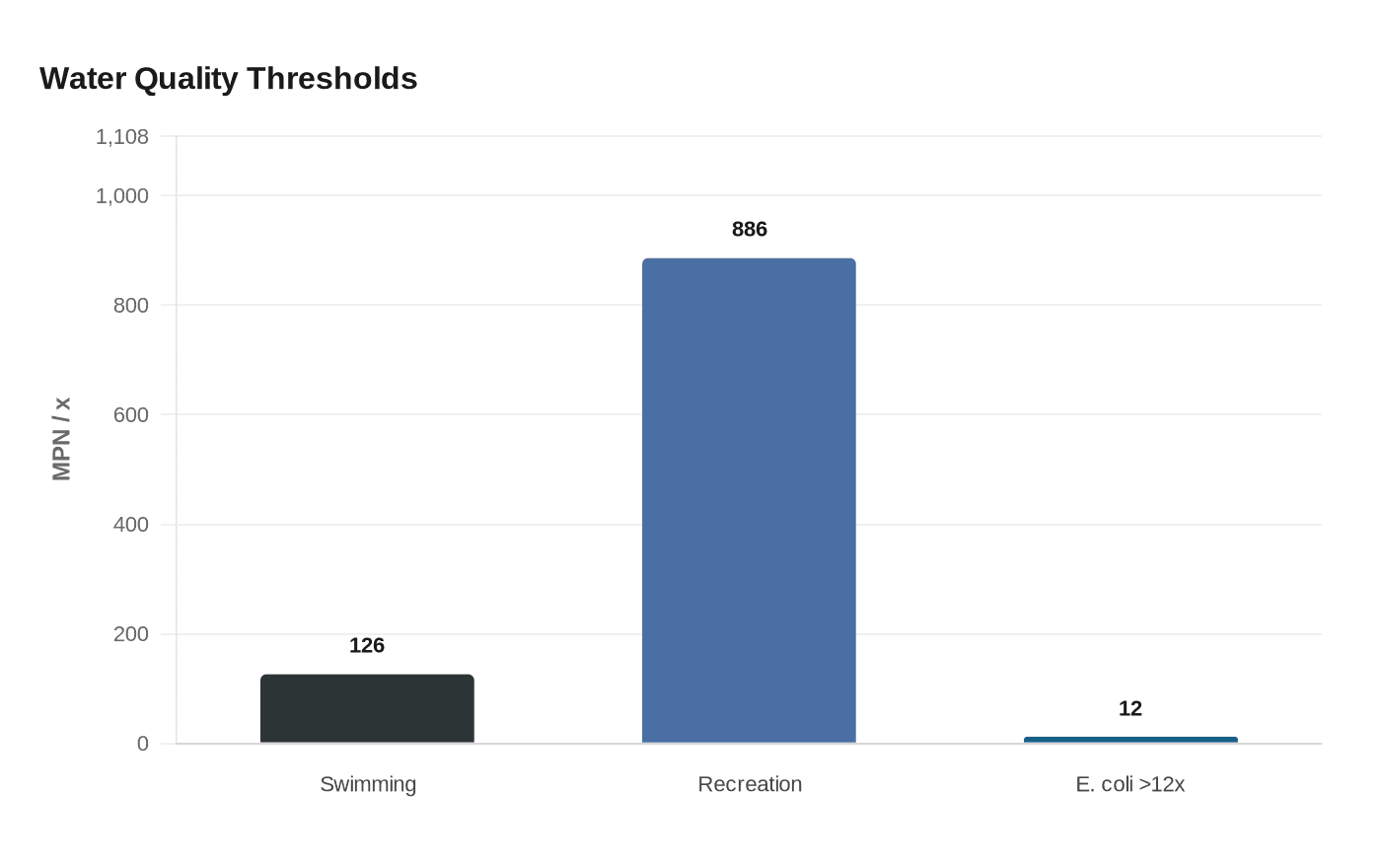
According to Haw River Assembly sampling since the beginning of 2026, E. coli levels in the plant’s discharge were more than 12 times greater than the levels the group considers safe under Open Water Data’s benchmark. Haw River Assembly’s swim report says North Carolina does not use an E. coli standard for water quality and instead relies on fecal bacteria standards. The group’s system uses 126 MPN as a swimming threshold and 886 MPN for secondary recreation such as kayaking, and it says anything above 886 MPN is not considered safe for recreation.
State regulators have also flagged problems. The North Carolina Department of Environmental Quality reportedly found fecal coliform in the plant’s discharge on March 2 that exceeded the state water-quality standard. DEQ said it has been in contact with the plant’s owner and operator about permit violations, and the permit is now up for renewal, where new monitoring requirements and other concerns are expected to be reviewed. DEQ also said the plant was affected by flooding during Tropical Storm Chantal, though repairs have since been made.
The Saxapahaw case fits into a larger pattern on the Haw River. In 2024, Haw River Assembly said a failed septic system in Swepsonville was dumping raw waste into a stormwater drainage about 30 feet from the river and a few hundred yards upstream from Swepsonville River Park. County officials said they had been trying to address that problem since April, and the county offered well sampling for E. coli at $65 per sample. For Alamance County, the issue is no longer a single complaint or a single site. It is a recurring question about how much pollution the Haw River can absorb before the places people swim, tube and paddle become the places they avoid.
This article was produced by Prism’s automated news system from verified source data, official records, and press releases, then run through automated quality and moderation checks before publishing. The system is built and supervised by the people who set the standards it runs under. Read our full AI policy.
Did this article answer your question?