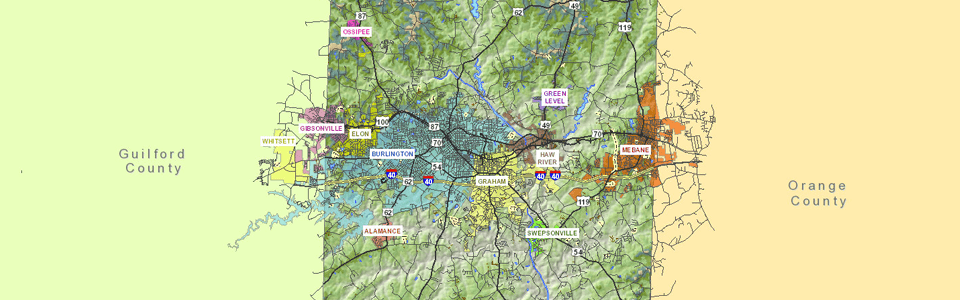
Mebane Sets Aside $738K to Demolish Dilapidated West End Homes
Inspection fees from Mebane's building boom are being recycled into demolitions of crumbling West End homes, with the city designating $738K from its inspections surplus for the effort.
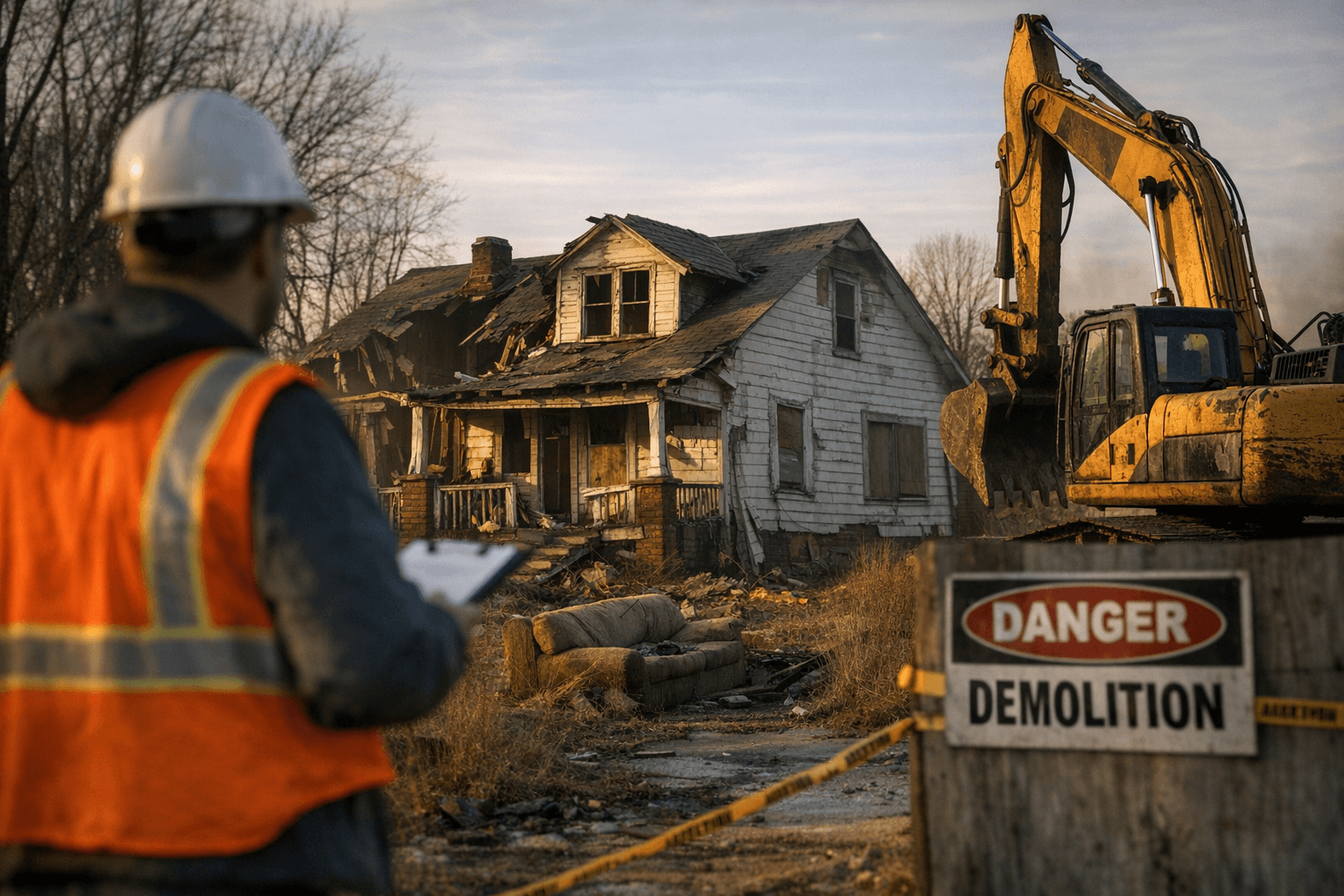
A windfall of $738,551 built on the back of Mebane's commercial construction boom is now being redirected toward one of the city's oldest problems: crumbling, vacant houses in the West End that have sat as public-safety hazards while new duplexes and infill homes rise nearby.
The city council set aside the surplus last week, earmarking a portion for asbestos testing, potential abatement, and demolition costs at several addresses, including 300 Giles Street, 816 West Holt Street, and 703 West McKinley Street. City inspections staff estimated roughly $63,700 in demolition-related expenses, a figure that covers the full sequence from initial hazardous material screening through actual teardown.
The surplus is a product of the inspection fees generated when large commercial and industrial projects move through the city's permitting process. That activity flooded the inspections department with one-time revenue the city is required to spend on inspection-related functions. Rather than carry the balance forward, staff proposed putting it to work on code-enforcement liabilities that have accumulated in neighborhoods now experiencing new development pressure.
The city's mechanism for covering upfront costs is a lien: when Mebane pays for a demolition, it places a claim on the property that must be satisfied when the parcel eventually sells. That structure allows the city to act without waiting indefinitely for an owner to respond, while preserving its ability to recover costs.
At 300 Giles Street, staff noted that the property owner is weighing a rezoning from B-3 Neighborhood Business and may choose to demolish the structure privately, which could remove the need for city intervention. At 816 West Holt Street and 703 West McKinley Street, staff said the city may have to move forward under its code-enforcement authority if owners fail to address the public-safety conditions on their own.
One property on the list, 210 Giles Street, has already cleared the demolition stage and is now in the permitting process for a replacement home, illustrating the infill trajectory the city expects for the broader area.
The West End's position at the center of this effort reflects a tension familiar to older urban neighborhoods across the region: new construction raises land values and investor interest, but it also intensifies scrutiny of the vacant and deteriorating structures that remain. For property owners on the list, the city's decision to designate dedicated funding for demolitions narrows the window to act before the municipality steps in, bills them through a lien, and converts their parcel into an infill opportunity on the city's timeline rather than their own.
This article was produced by Prism’s automated news system from verified source data, official records, and press releases, then run through automated quality and moderation checks before publishing. The system is built and supervised by the people who set the standards it runs under. Read our full AI policy.
Did this article answer your question?