Nonprofits warn job growth is outpacing housing in Alamance County
Major Triad job projects are widening Alamance County’s housing gap. Burlington sits at the center, while only 2% of county residents live in subsidized housing.
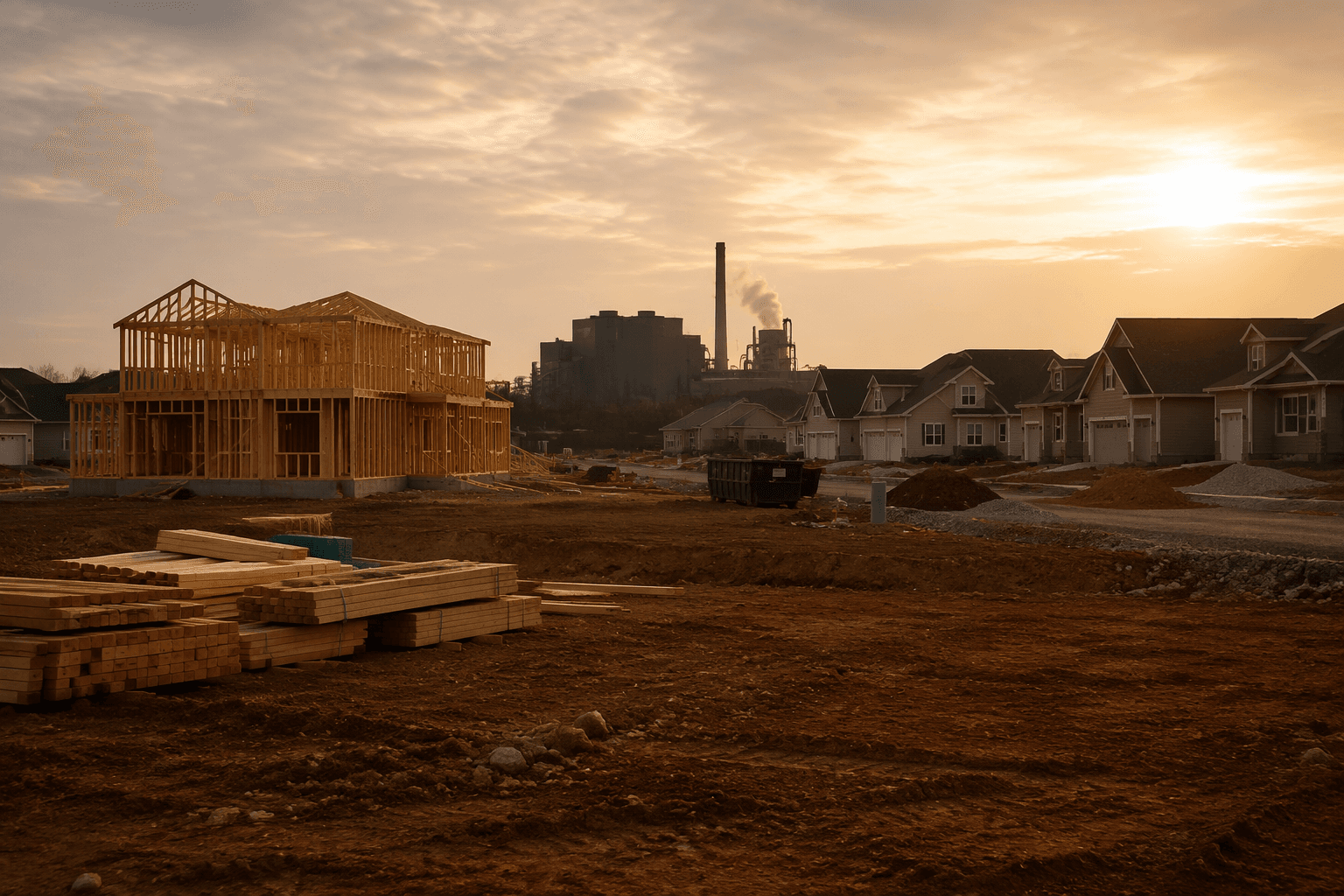
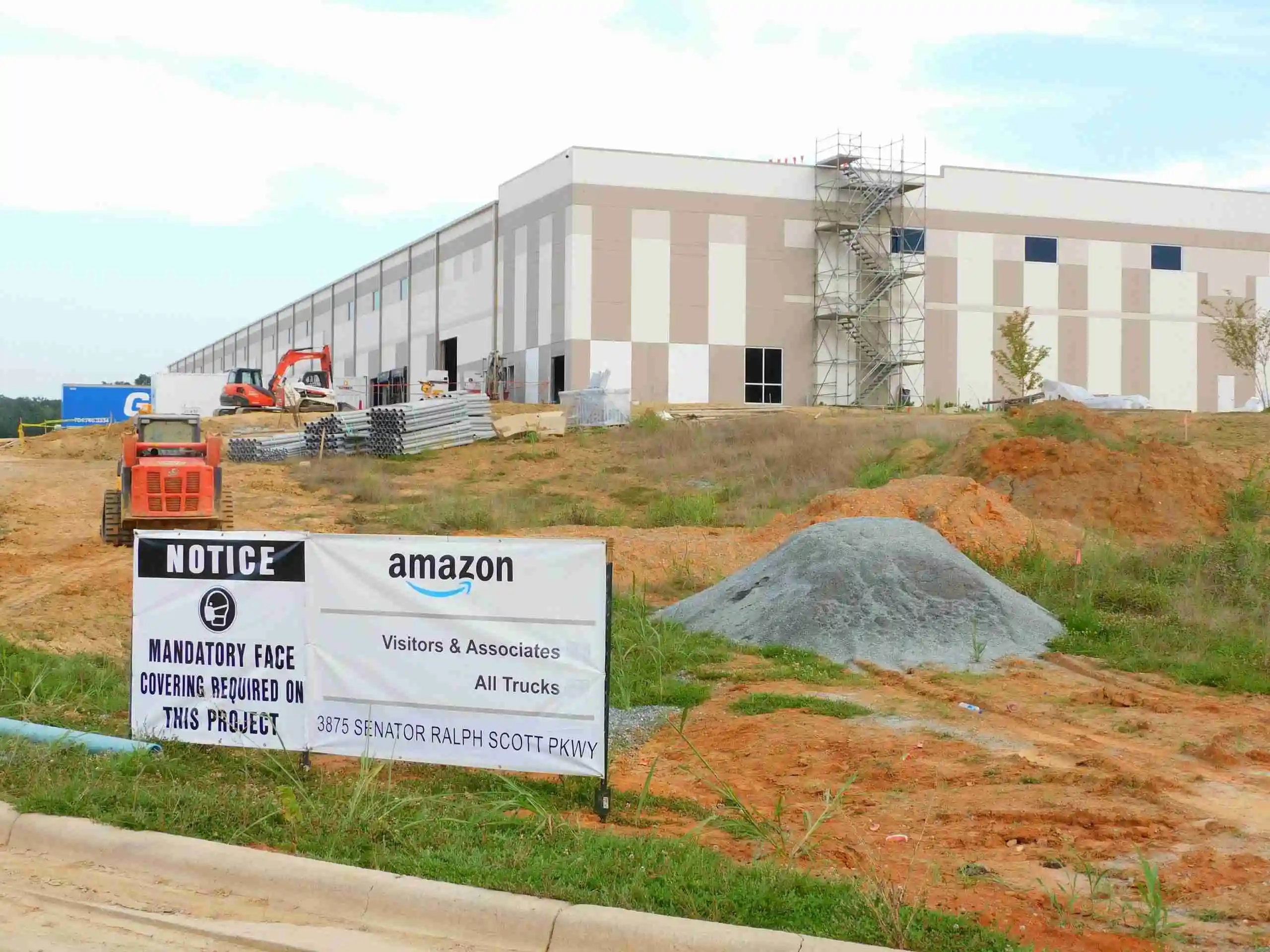
Major job projects moving into the Triad have pushed affordable-housing demand faster than local nonprofits can keep up, and Burlington has become Alamance County’s most visible pressure point. The mismatch is showing up in rent checks, mortgage applications and hiring plans as growth in jobs outpaces the supply of homes workers can actually afford.
The numbers in Alamance County show how tight the market has become. The North Carolina Housing Coalition says 26% of households are cost-burdened, including 46% of renter households and 7,390 homeowner households. Elon University’s Kernodle Center puts the problem even more starkly, saying more than 52% of county residents have unaffordable housing and more than 17,000 households make less than $25,000 a year. USAFacts says only 2% of people in Alamance County live in subsidized housing.
That shortage hits the labor market directly. The housing coalition’s county profile lists annual wages of $27,990 for childcare workers and $38,490 for firefighters, figures that leave little room for market-rate rent in Burlington, Graham, Mebane or Elon. A 2021 report on local renters found families were already struggling to find housing that matched their incomes, and the latest wave of job growth has only sharpened that pressure.
The public bodies with the clearest ability to change the pipeline now are Burlington city government and Alamance County planners. Burlington is a federal HUD entitlement community under the Community Development Block Grant program, which means city leaders control a formal Consolidated Plan and can direct federal housing and neighborhood-stability dollars. Burlington’s HOME Program materials say those funds can be used to build, buy or rehabilitate affordable housing, a direct tool for expanding supply if the city chooses to use it that way. The Alamance County Planning Department also has a community development program, giving county leaders another route to shape where housing can be added and how quickly it can move.
Some projects are already underway. The Burlington Housing Authority has promoted Hope Village at North Church Street and Ireland Street, saying the site could eventually house around 40 people depending on family size after sitting vacant for years. At the same time, United Way of Alamance County said in January 2026 it shifted Housing Alamance toward a more direct response to the eviction crisis after reviewing local and national data and talking with stakeholders across the housing spectrum.
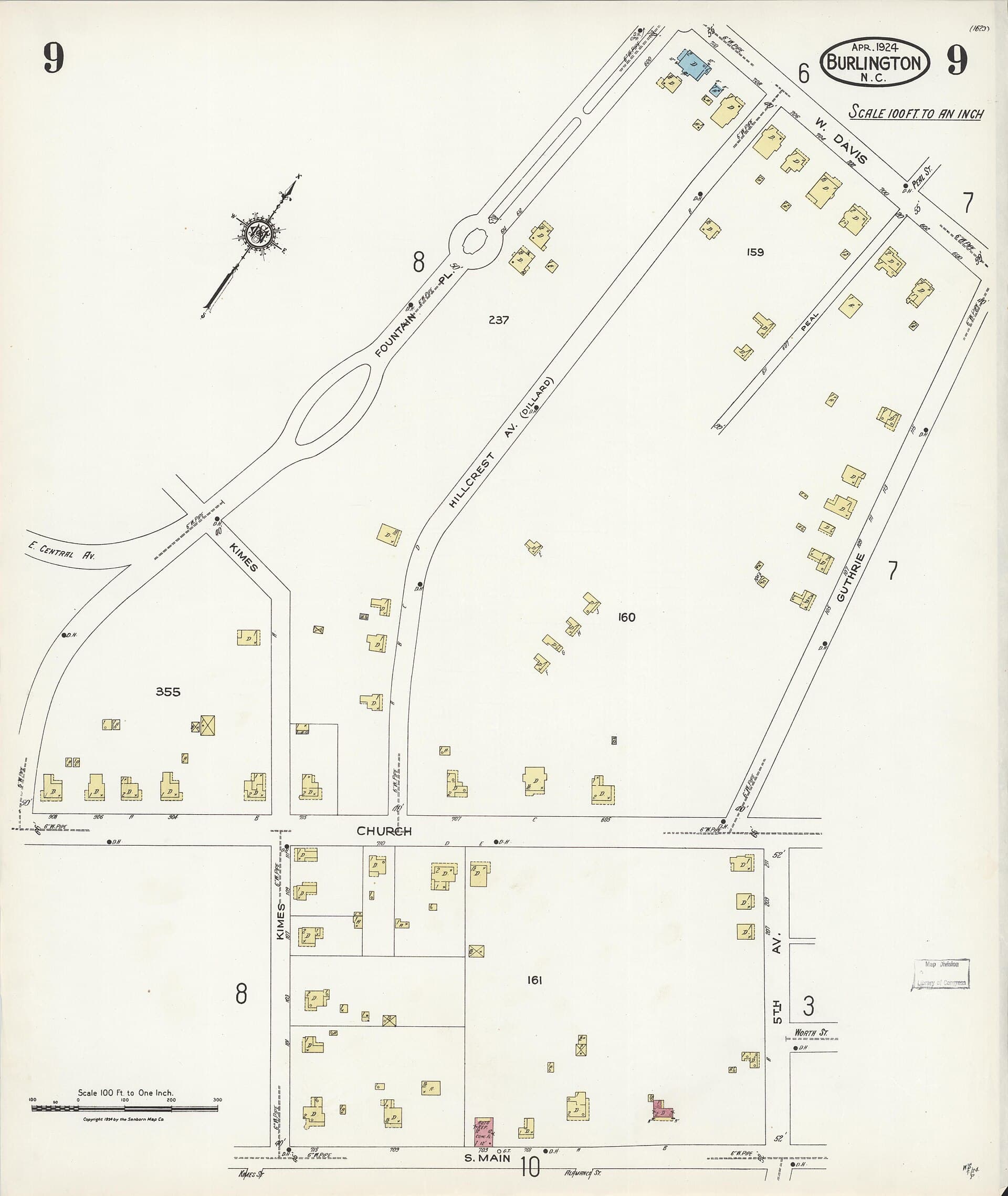
The regional warning sign is not limited to Alamance. In Guilford County, leaders have been grappling with the cost of keeping up with growth, and FOX8 reported that a modest two-bedroom apartment in High Point would require about $22 an hour to afford. For Alamance County, the same equation is now playing out closer to home: more jobs, more competition for housing, and too few units near the places people work.
This article was produced by Prism’s automated news system from verified source data, official records, and press releases, then run through automated quality and moderation checks before publishing. The system is built and supervised by the people who set the standards it runs under. Read our full AI policy.
Did this article answer your question?