Six Months After Chantal, Alamance Struggles With Flood Damage and Water Shortages
Six months after Tropical Storm Chantal, Alamance County still faces widespread flood damage and intermittent water shortages that affect homes, businesses and municipal services.
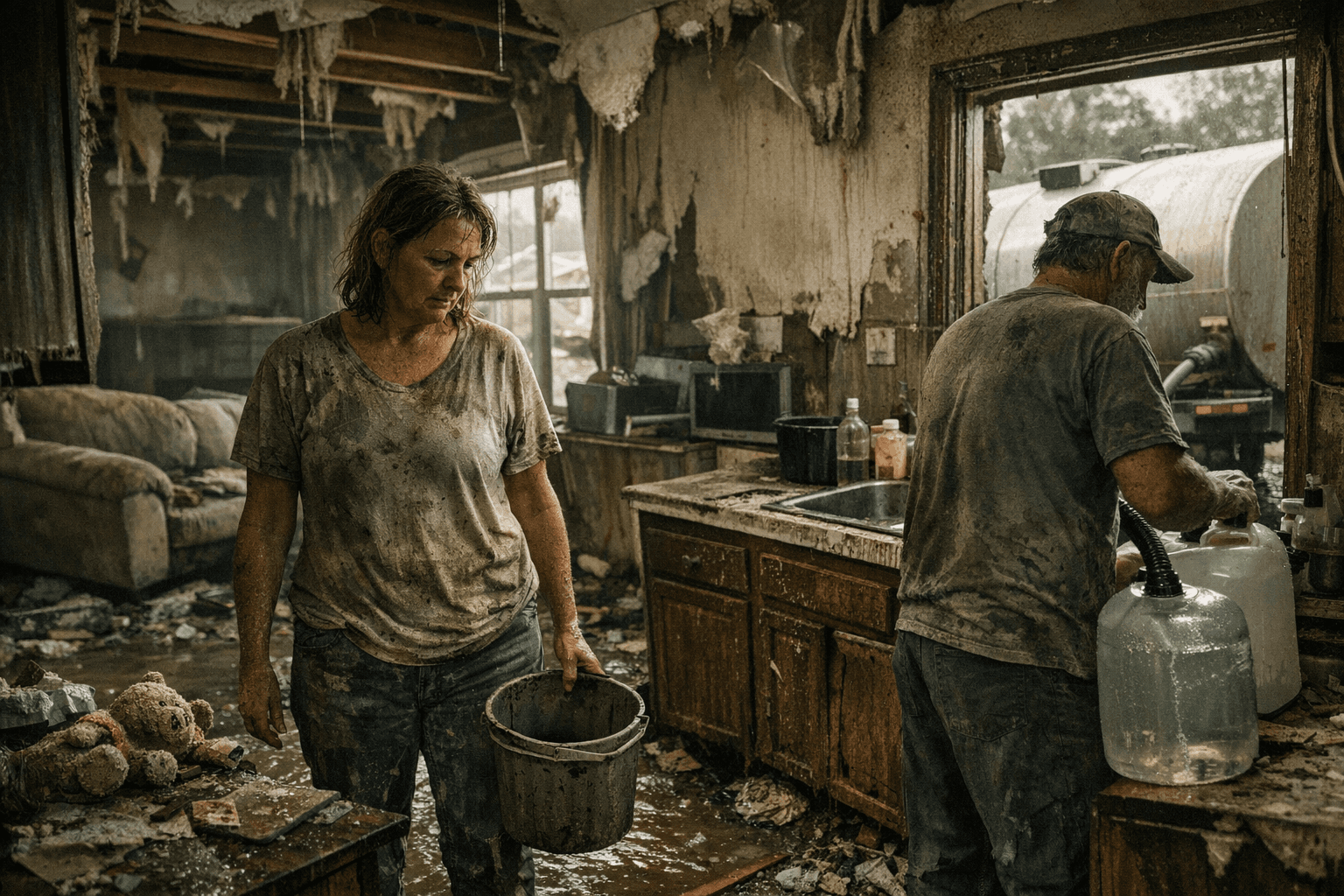
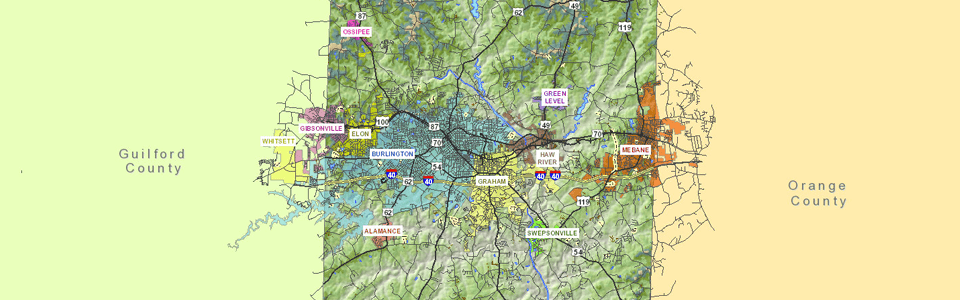
Six months after Tropical Storm Chantal, Alamance County continues to contend with widespread flood damage and water shortages that have interrupted daily life and strained municipal budgets. Near-record levels on the Haw River overwhelmed banks and low-lying neighborhoods, flooding basements, displacing families and leaving dozens of households without reliable water service.
The Graham-Mebane Water Treatment Plant was paralyzed when flood conditions and related failures forced operators to shut down portions of the facility. That interruption triggered multi-day boil advisories, limited water pressure in parts of the county and complicated recovery for residents already dealing with property damage. Local officials told reporters that restoring full service has required phased repairs and emergency responses that remain ongoing.
Municipal expenditures for emergency pumps, debris removal and repair work have grown as towns and the county respond to continuing impacts. Insurance and funding gaps have emerged as a central problem for homeowners whose basements and first floors were inundated; many residents discovered that standard policies do not cover flood damage in areas recently reclassified by watershed events. County leaders and municipalities are now weighing how to fill those gaps while balancing other fiscal priorities.
Interviews with affected residents and officials highlighted the human toll: families displaced from flood-prone homes, long waits for contractors, and concerns about future storms. Community leaders described how the water disruption affected small employers and routine services, from laundromats to daycare centers, compounding recovery challenges for households already coping with repair costs.
Local policymakers have begun active discussions about making infrastructure more resilient. Options under consideration include targeted upgrades at the Graham-Mebane plant, adjustments to floodplain management, and seeking state and federal assistance to bridge repair and mitigation costs. Officials emphasized tradeoffs between immediate repairs and longer-term investments that would reduce vulnerability to future high-water events.
For many Alamance residents, the crisis has clarified which neighborhoods sit most at risk and has intensified pressure on county and municipal officials to move beyond short-term fixes. The coming weeks will likely determine whether proposed investments and policy changes gain traction and funding. As recovery continues, residents are watching for firm timelines on plant repairs, clearer guidance on insurance and aid eligibility, and concrete decisions about floodplain rules that could shape rebuilding choices.
The county’s recovery will be measured not only by rebuilt homes and restored water service but by whether local leaders convert lessons from Chantal into practical protections for the Haw River corridor and the families who live along it.
This article was produced by Prism’s automated news system from verified source data, official records, and press releases, then run through automated quality and moderation checks before publishing. The system is built and supervised by the people who set the standards it runs under. Read our full AI policy.
Did this article answer your question?