State cannabis council urges regulated adult-use marijuana market in North Carolina
State cannabis advisers backed a regulated adult-use market as Alamance County shoppers already buy hemp THC with little oversight and no age limits.

State cannabis advisers backed a regulated adult-use marijuana market, arguing that North Carolina’s current hemp-driven cannabis scene has outgrown the rules around it. For Alamance County shoppers, parents and deputies, the report points to a simple problem: intoxicating products are already on the market, but the state still lacks a clear system to control who sells them, who buys them and what is inside them.
The North Carolina Advisory Council on Cannabis approved its interim report on April 2, 2026, and urged the state to create a well-regulated market for adults through licensed outlets. Governor Josh Stein, who created the council by Executive Order No. 16 on June 3, 2025, said the existing system is the “Wild West” and argued that oversight and enforcement would be safer than the patchwork now in place.
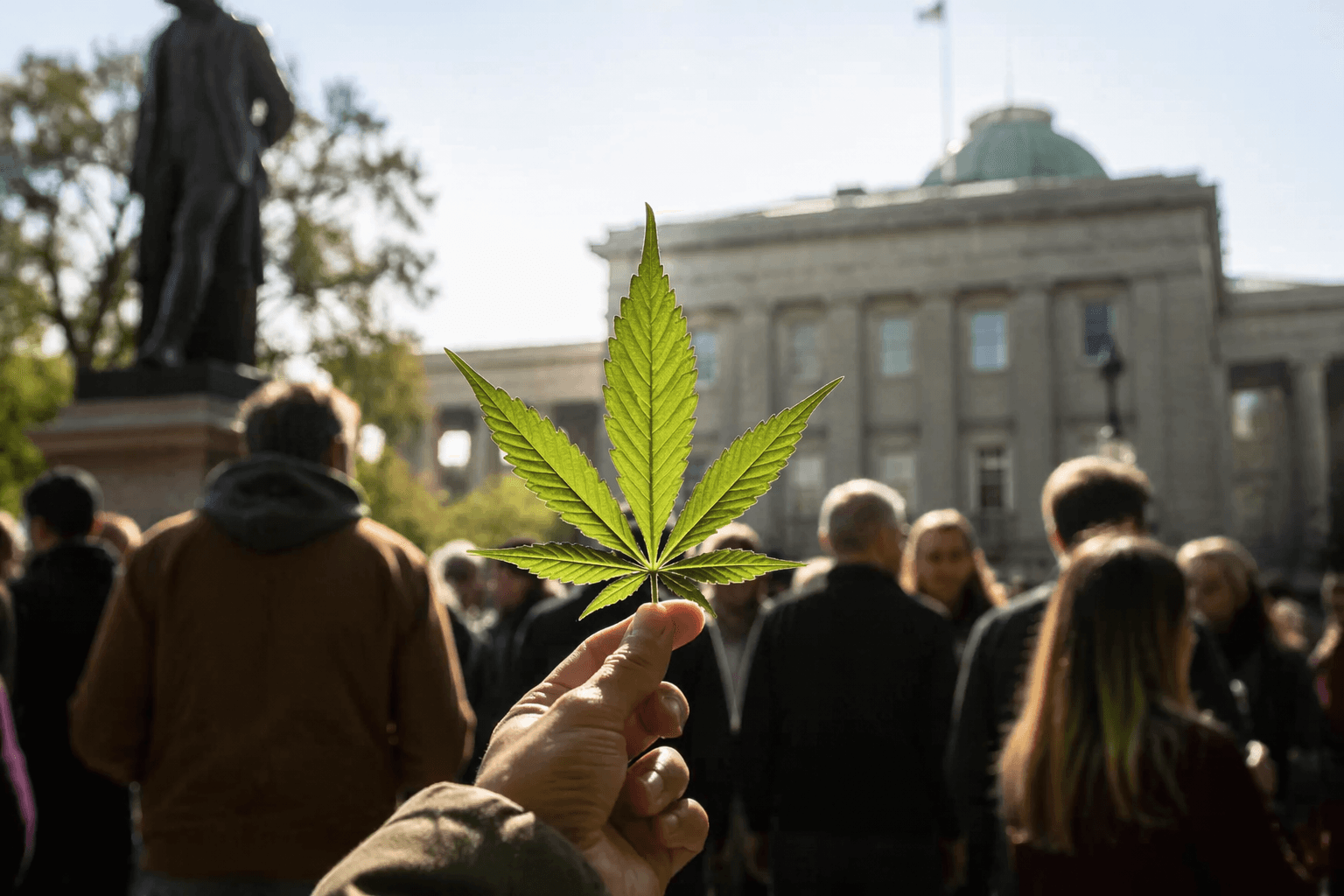
The council’s report said North Carolina is one of ten states without a regulated cannabis market. It also laid out how the state got here: hemp is federally defined as cannabis with no more than 0.3% delta-9 THC, and after the 2018 Agriculture Improvement Act, North Carolina removed hemp from its controlled-substances list without building a system to oversee cannabinoid production and sales. Kelly Riddle, founder of the North Carolina Cannabis Chamber, said there is no regulated framework and no governing body controlling product oversight.
The public health concerns in Stein’s order were stark. It cited youth emergency department visits for intoxicating cannabis ingestion rising more than 600% among children 17 and under and more than 1,000% among older teens. The order also pointed to polling showing 71% support for medical marijuana and 63% support for adult recreational use of intoxicating THC. Stein said the council was tasked with developing a comprehensive solution that would protect youth, allow adult sales, support North Carolina agriculture, expunge simple THC possession convictions and direct revenue toward addiction services, mental health and drugged-driving detection.
For Alamance County, the practical question is what changes first. A regulated market would not just affect consumers buying cannabis products in local shops; it would also change how hemp retailers operate, how law enforcement distinguishes legal from illegal products and how parents make sense of products that are already widely sold but poorly controlled. The report said North Carolina had the second-largest illicit cannabis sales in the country, estimated at $3.2 billion in 2022, a figure that suggests the state is already policing a market that exists whether lawmakers recognize it or not.
The debate is not settled in Raleigh. On April 29, 2026, lawmakers filed SB 937, the Marijuana and Vapor Products Reform bill, which would decriminalize possession of five grams or less of marijuana while also increasing penalties for manufacturing and selling marijuana and adding other THC and vaping restrictions. The council has 28 total positions, with Lawrence H. Greenblatt and Matt Scott in leadership, and the North Carolina Department of Health and Human Services continues posting meetings and subcommittee sessions as the fight over legalization, decriminalization and regulation moves forward.
This article was produced by Prism’s automated news system from verified source data, official records, and press releases, then run through automated quality and moderation checks before publishing. The system is built and supervised by the people who set the standards it runs under. Read our full AI policy.
Did this article answer your question?