Steady Feb. 15 Rains Bring Relief to Triad and Alamance Farmers
Mike Ross of Mike’s Local Honey and Produce says steady Feb. 15 rain left fields "perfect condition right now for planting" after January was nearly 2 inches drier than normal.
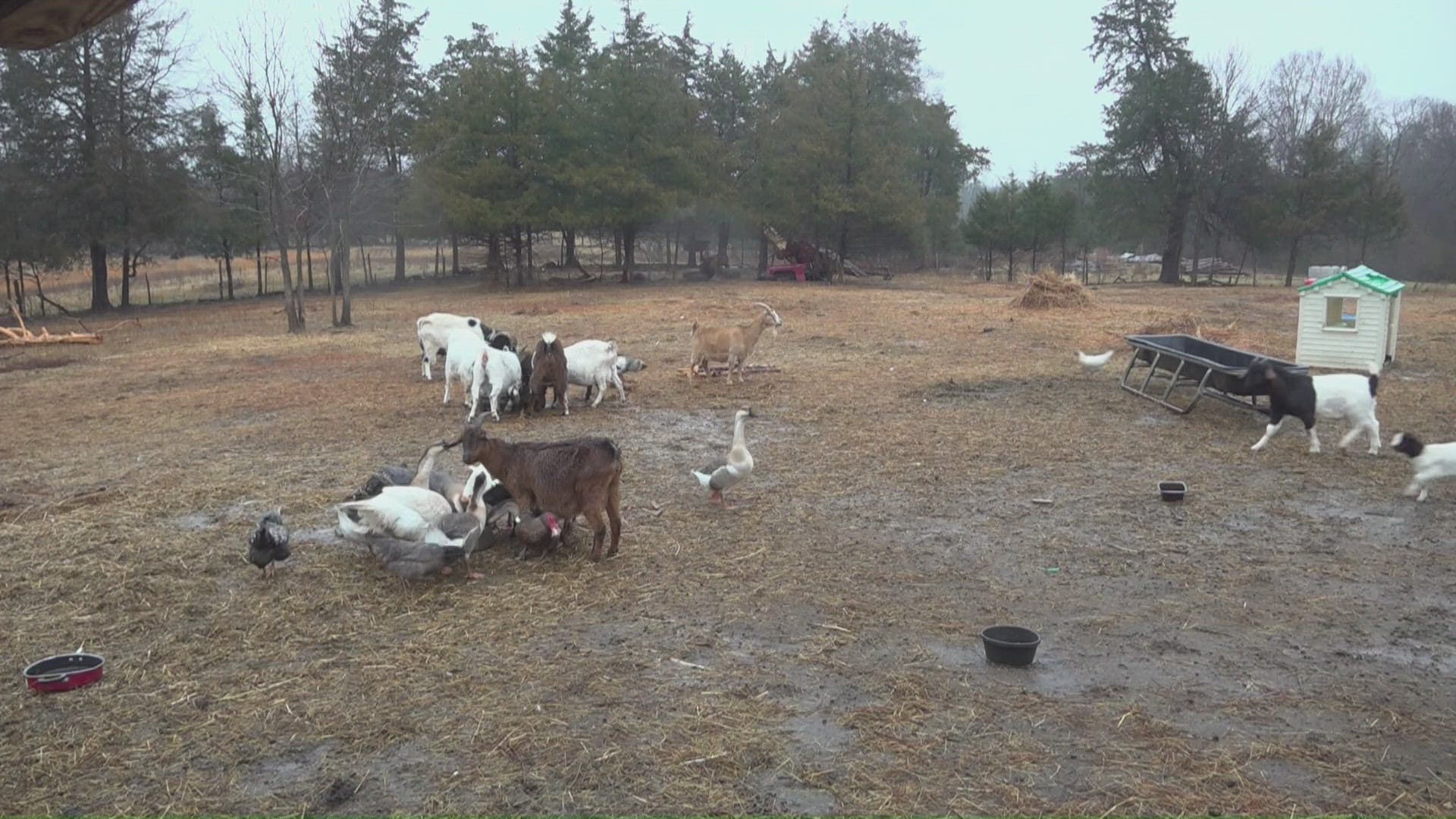
Mike Ross said the steady rain that fell across the Piedmont on Sunday, Feb. 15, 2026, left fields "perfect condition right now for planting," though he added the ground is "a little bit too wet" and he will wait "two or three days of drying" before putting seed in the soil. The rain came as relief to Triad-area growers, including farmers working land that straddles the Guilford-Alamance county line.
Steady precipitation on Feb. 15 interrupted one of the driest stretches of the winter. January ranked among the driest on record in the region, with nearly 2 inches less precipitation than normal, a shortfall local growers say left soils hard and planting schedules delayed across Alamance and Guilford counties. WFMY News 2 reporter Kristina Dillion, reporting from Burlington, spoke to two Alamance County farmers about the impact, and Ross was the named grower who described the change in field conditions.
Despite the Feb. 15 rain and recent sleet and snow, drought designations have not eased. The U.S. Drought Monitor shows both Guilford and Alamance counties remain fully in drought conditions, and statewide more than 9.4 million North Carolinians live in areas classified as drought. For growers such as Ross, that means a single steady rain helps surface conditions but does not erase the larger moisture deficit affecting crop planning across the Triad.
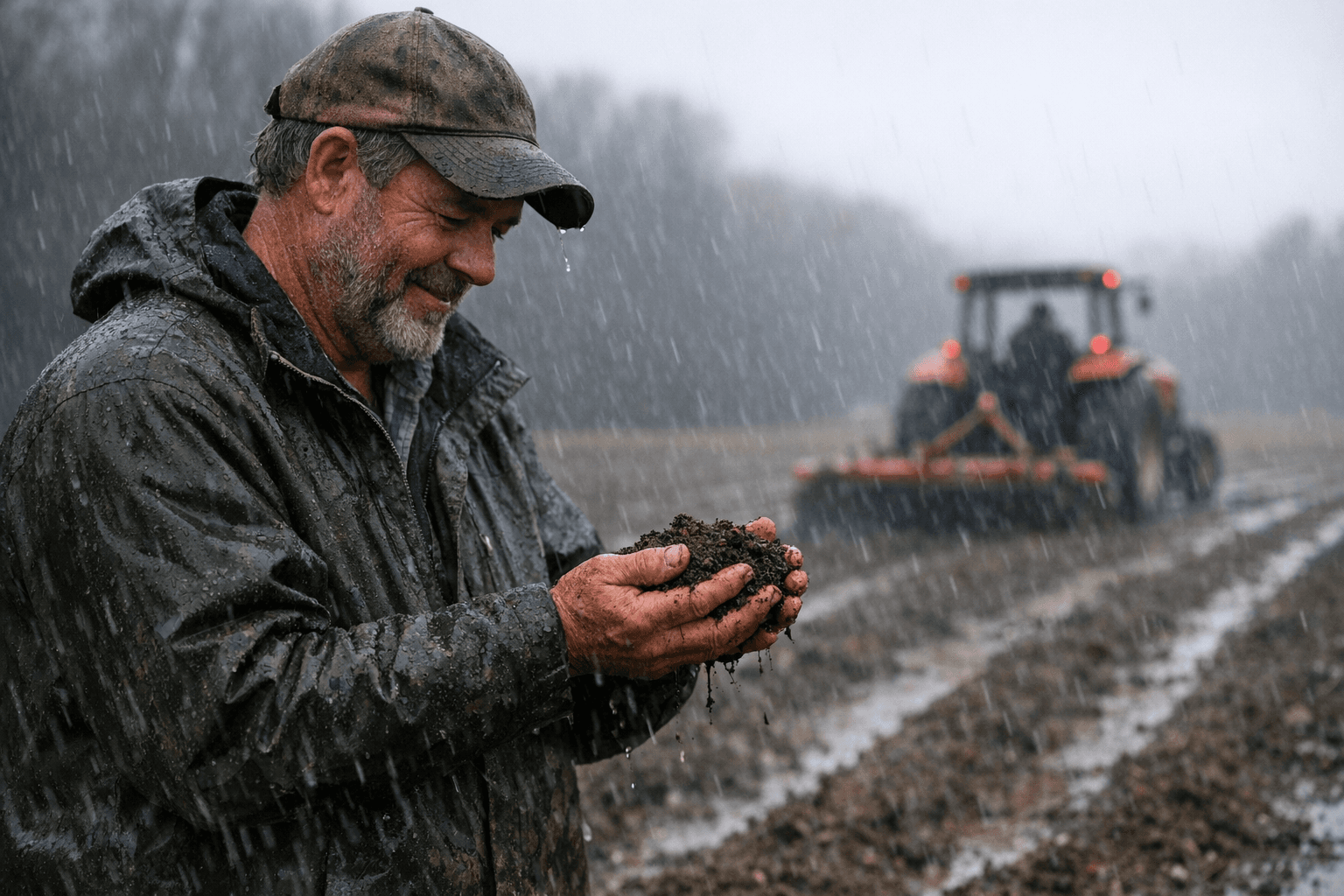
Ross, owner of Mike’s Local Honey and Produce in Alamance County, has farmed for decades growing watermelons, raising honeybees and planting crimson clover as forage for pollinators. He said what matters most after a dry spell is how deeply the water soaks into the ground, a metric that will determine whether early-season plantings and forage covers can recover from January’s shortfall. His immediate action is to let fields dry for several days before planting watermelons or crimson clover seedlings.
Local farmers and extension officials will be watching soil infiltration and short-term forecasts in the coming week; growers who operate land along the Guilford-Alamance line told reporters the timing of that drying window will shape planting calendars and labor schedules. For now, Feb. 15’s steady rain provided tangible, if partial, relief to producers who had been managing drier-than-normal soils and delayed fieldwork after a January deficit of nearly 2 inches.
This article was produced by Prism’s automated news system from verified source data, official records, and press releases, then run through automated quality and moderation checks before publishing. The system is built and supervised by the people who set the standards it runs under. Read our full AI policy.
Did this article answer your question?