Albany County Fairgrounds campground offers year-round RV stays in Laramie
Albany County Fairgrounds campground stays open 24/7 with 21 full hookup sites and 6 electric-only spots, while the grounds also handle storage, boarding and events year-round.
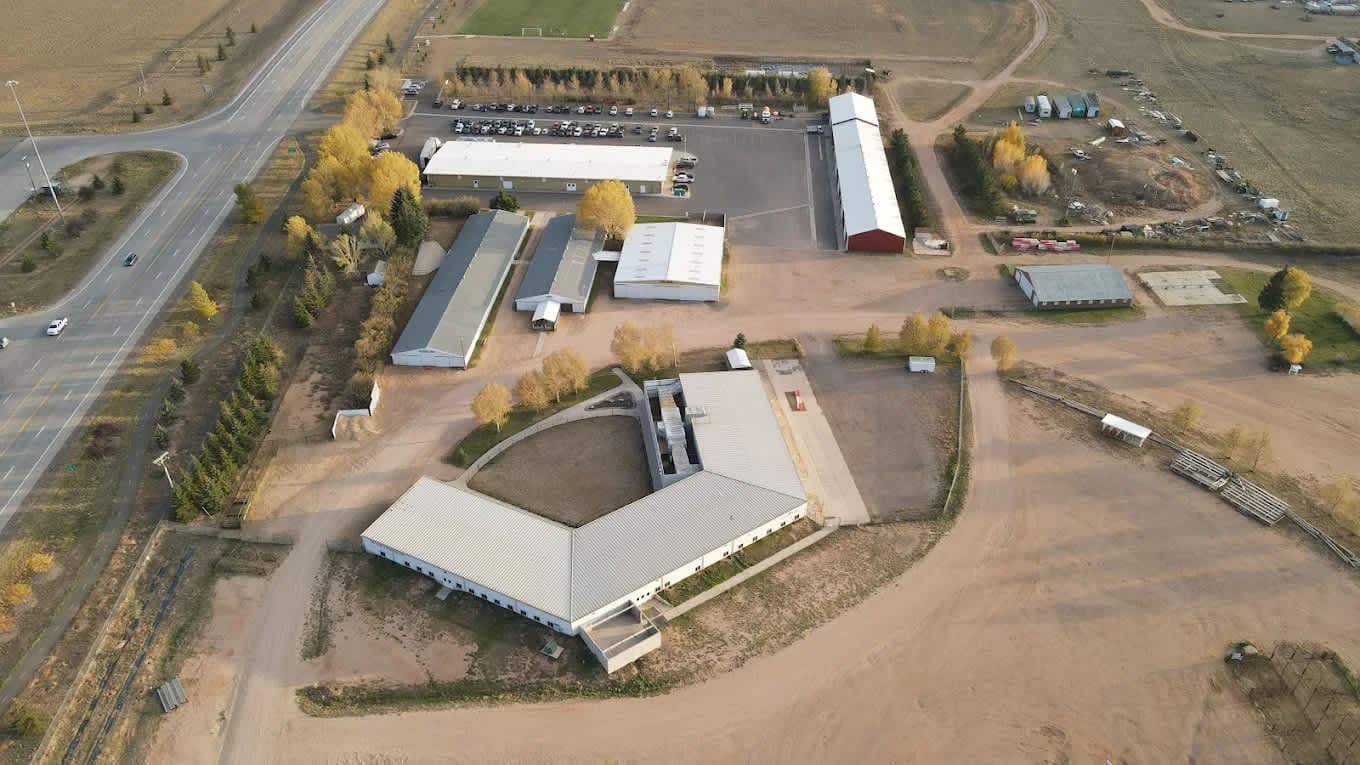
South of the grandstand at the rodeo arena, the Albany County Fairgrounds campground works like a small piece of county infrastructure that never really shuts down. It serves RV travelers, horse people, event crews and livestock haulers with 21 full hookup sites and 6 electric-only spaces, all open 24 hours a day, seven days a week.
Camping stays open without reservations
The campground does not take reservations, and the county says it generally has space open. A stay costs $40 per night, with a two-week maximum, which makes the site useful for short visits through Laramie as well as longer fair-related stays. Some spaces do close during special events, so the fairgrounds are not a guaranteed overnight stop every night of the year.
The layout is practical rather than scenic. The campground sits southwest of the grandstand at the rodeo arena, and access depends on how you come in, either through the North Rodeo Gate or the south main rock gate by WYDOT. That matters for anyone towing a trailer, backing an RV or moving in after dark.
Water service changes with the season. The county turns water off from roughly October through April to protect the lines, but freshwater can still be filled from frost-free hydrants around the grounds. Water is available during the summer months from May through September, which keeps the site usable for most warm-season travel.
Payment is handled on site through a self-serve system. Campers can pay with cash or check at the station, and QR codes are posted for card payment. For fair week, the campground becomes even more regulated: a parent or guardian over 18 must stay in the camper while the fair is in session, and campers can be required to leave after noise complaints or other issues.
Storage turns barns into off-season county assets
When the fair is over, the fairgrounds do not sit idle. The county offers indoor winter storage from October through April for boats, RVs, travel trailers, classic cars, ORVs and other items, while outdoor storage is available year-round. That keeps the grounds working through the cold months instead of waiting for summer crowds to return.
The storage footprint reaches across several buildings, including the Show Arena, Rabbit Barn, Poultry Barn, Beef Barn, Swine Barn and Sheep Barn. Boats-only storage is also available under the grandstands, although that space is not tall enough for campers. Winter storage pricing is based on total footage, and anything shorter than 20 feet is billed as 20 feet, which gives users a clear cost floor before they bring a trailer or vehicle in.
For Albany County, this is more than overflow parking. It means the fairgrounds absorb demand from residents who need a secure place for large equipment, seasonal vehicles and recreational rigs, while also keeping those spaces available for the next event cycle.
Horse owners and ropers use the grounds year-round
The fairgrounds also serve the livestock and equine community in a very direct way. Overnight boarding includes large rodeo stock pens and single horse indoor and outdoor 12-by-12 box stalls east of the grandstand arena, giving horse owners a county-run place to stage animals close to the arena floor. Individual pens cost $20 per head, and large stock pens cost $40 per night.
That use has become more important as the county looks at the changing demands on its rodeo space. A county equine proposal says that as of 2024 the number of practice pens had decreased, making it harder for local ropers to make do with what was available. In response, the proposal envisions bi-weekly team roping practice, along with barrel-racing and team-roping jackpots to increase participation and revenue.
The county’s Equine Events page shows that those plans are not just theoretical. Summer 2025 listings include team roping practice, team sorting events and barrel races, which points to a calendar built around regular use rather than a single annual fair week. For the people who trailer horses in and out of Laramie, the fairgrounds function as a working arena complex, not just a fair backdrop.
Events require paperwork, not just a date on the calendar
Anyone renting the fairgrounds for a public event has to clear several administrative steps before the doors open. The county requires a contract, a deposit, building rent and valid event insurance before it issues door codes or keys. That places the fairgrounds in the role of a managed public venue, with rules that are closer to a civic facility than a casual meeting hall.
The Range Arena is one of the main pieces of that system. The building has 14,240 square feet of exhibit space, bleachers for viewing, an attached meeting room and lounge area with restrooms, and garage-door service entrances on both the east and west sides. Buildings must be rented for the full duration of the event, including set-up and tear-down, which matters for organizers who need time to load, stage and clean without cutting corners.
Other fairground spaces, including the Grand Stands, the Show Arena and the Activities Building, fit into the same rental structure. The result is a complex that can move from livestock use to meetings to exhibits with little downtime, as long as the paperwork and insurance are in place.
The Fair Board treats the grounds as a public system
The Albany County Fair Board’s bylaws describe the fairgrounds as a facility to be controlled, maintained and managed for the annual fair and the broader public. The board’s mission includes economically developing and managing facilities for public benefit, promoting fair, rodeo, FFA, 4-H, expositions and celebrations, and supporting the county extension office and the Wyoming State Fair.
That mission is backed by a specific governance structure. The board has five members appointed by county commissioners to five-year terms, and it meets at 5:30 p.m. on the second Monday of each month at the Activity Building on the fairgrounds. The bylaws were adopted October 12, 2020, which formalized a management framework for a site that has to juggle camping, livestock, storage and public events at the same address.
The fair program itself reinforces that broader civic role. County fair materials show a dense schedule of 4-H, FFA, indoor exhibits, livestock events, shooting sports, dog shows, junior horse shows and livestock sale activities across July and August. The Junior Livestock Sale Committee bylaws say the committee is dedicated to creating and operating the annual Junior Livestock Sale for 4-H and FFA livestock at the close of the fair, tying the grounds directly to youth agriculture and the county’s farm economy.
Where to find the office
The fairgrounds office is at 3510 S. 3rd Street, Laramie, WY 82070, and the main office phone is 307-742-3224. Taylor Haley is listed as fairgrounds director. For anyone hauling a trailer, storing a rig, boarding horses or planning an event, those are the numbers and the address that keep the fairgrounds running long after the fair gates close.
This article was produced by Prism’s automated news system from verified source data, official records, and press releases, then run through automated quality and moderation checks before publishing. The system is built and supervised by the people who set the standards it runs under. Read our full AI policy.
Did this article answer your question?