Albany County Fairgrounds serves as year-round hub for events and rentals
Just south of Interstate 80, the Albany County Fairgrounds functions as a year-round venue for rentals, camping, storage, and livestock events, not just fair week.
Just one mile south of Interstate 80 in Laramie, the Albany County Fairgrounds serves a steady stream of users long after fair week ends. The county treats the property at 3510 S. 3rd Street as an active civic asset with rentals, meetings, camping, storage, and agricultural programming layered onto the same campus.
That matters in a county where one site has to serve youth exhibitors, ranch and livestock families, nonprofits, private renters, and visitors passing through Laramie. The fairgrounds are not just where the county stage-manages an annual tradition. They are where Albany County keeps the infrastructure in place for the kinds of events that need room, parking, access, and indoor space all year.
How the site is organized for everyday use
The most visible sign of that year-round role is the Activity Building, a 10,800-square-foot space that is fully heated, can be divided into smaller areas, and includes a full kitchen. That makes it usable for everything from meetings and receptions to banquets and indoor community events, especially when weather or crowd size makes smaller local spaces impractical.
The campus also includes the Grand Stands exhibit space, listed at 9,751 square feet with room for 2,500 people, and the Range Arena at 14,240 square feet. Those numbers show why the fairgrounds can handle events that stretch beyond a typical civic room: rodeos, large public gatherings, community expos, and outdoor entertainment can all fit into the same property without forcing organizers to build temporary infrastructure from scratch.
Other outbuildings add to that flexibility. The site is set up for barn dances, animal events, reunions, wedding receptions, and car shows, which means the fairgrounds function as one of the county’s few spaces large enough to absorb both rural and town-scale events.
What renters need to know before they book
The county’s rules make clear that this is not a casual drop-in venue. Users must complete a contract, pay a deposit, pay building rent, and provide valid event insurance before door codes or keys are issued. That process protects the county’s facilities and sets a standard for how the property is managed when it is handed over for private or public use.
The Fair Board meets at 5:30 p.m. on the second Monday of each month in the Activity Building at the fairgrounds. That regular meeting schedule is another sign that the property is managed as ongoing public infrastructure, with decisions, calendar conflicts, and maintenance needs handled in a standing county process rather than only once a year.
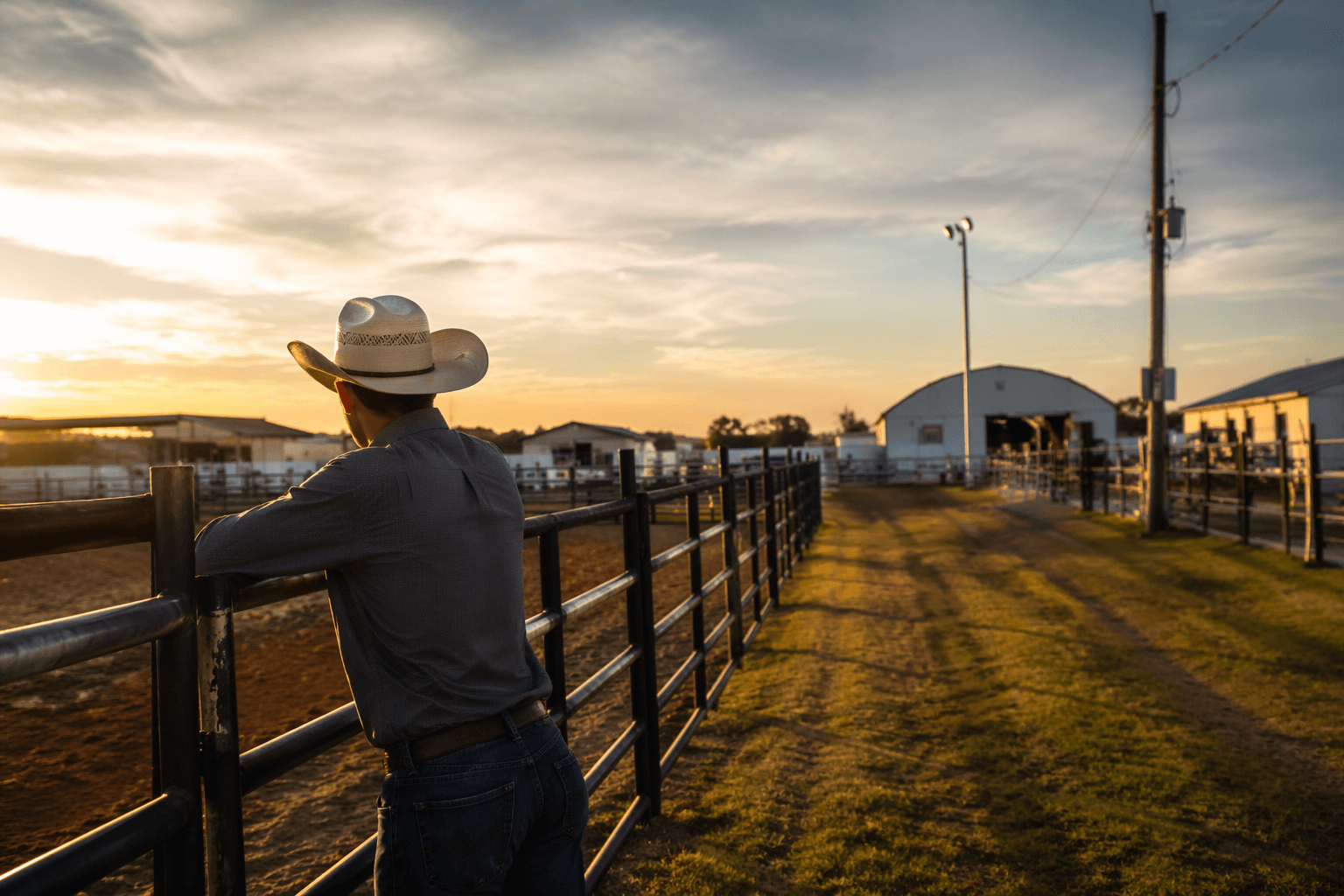
For residents planning an event, that means the fairgrounds are best viewed as a bookable county asset with rules attached, not a vague open field. The system is designed to balance access with control, which is exactly what a high-demand public venue needs.
Camping gives the fairgrounds utility beyond event nights
The campground adds another layer of usefulness. County materials say the campground has 21 full hookup sites and 6 electric-only spaces, and that it is generally open 24 hours a day, 7 days a week. That makes it one of the few county-owned places where visitors, families, and traveling event participants can stay on site rather than look for lodging elsewhere in Laramie.
Reservations are not taken for the campground, although event rentals can temporarily close spaces to outside use. That detail matters for planning, especially during larger gatherings when demand spikes and the site shifts from casual camping to event support.
The campground’s design fits the fairgrounds’ broader purpose: it supports the event calendar, but it also stands on its own as a usable county facility. For families hauling livestock, teams traveling for tournaments, or visitors stopping through Albany County, that combination of access and practicality gives the site value that goes well beyond fair week.
Storage keeps the property in use from fall through spring
The fairgrounds also serve a quieter but important function from October through April: winter storage. Albany County offers indoor storage for boats, RVs, travel trailers, classic cars, ORVs, and other items in its barns, and outdoor storage is available year-round.
That is a practical use of county-owned space that many residents may not think about when they hear “fairgrounds.” Instead of sitting idle after summer events, the property becomes a storage campus that helps people protect equipment through the colder months while generating use for facilities that would otherwise be underutilized.
For a county asset, that is real economic efficiency. Indoor barns and open land are being used in ways that match seasonal demand, which helps the county extract more public value from the same footprint.
The fairgrounds also back Albany County’s agricultural pipeline
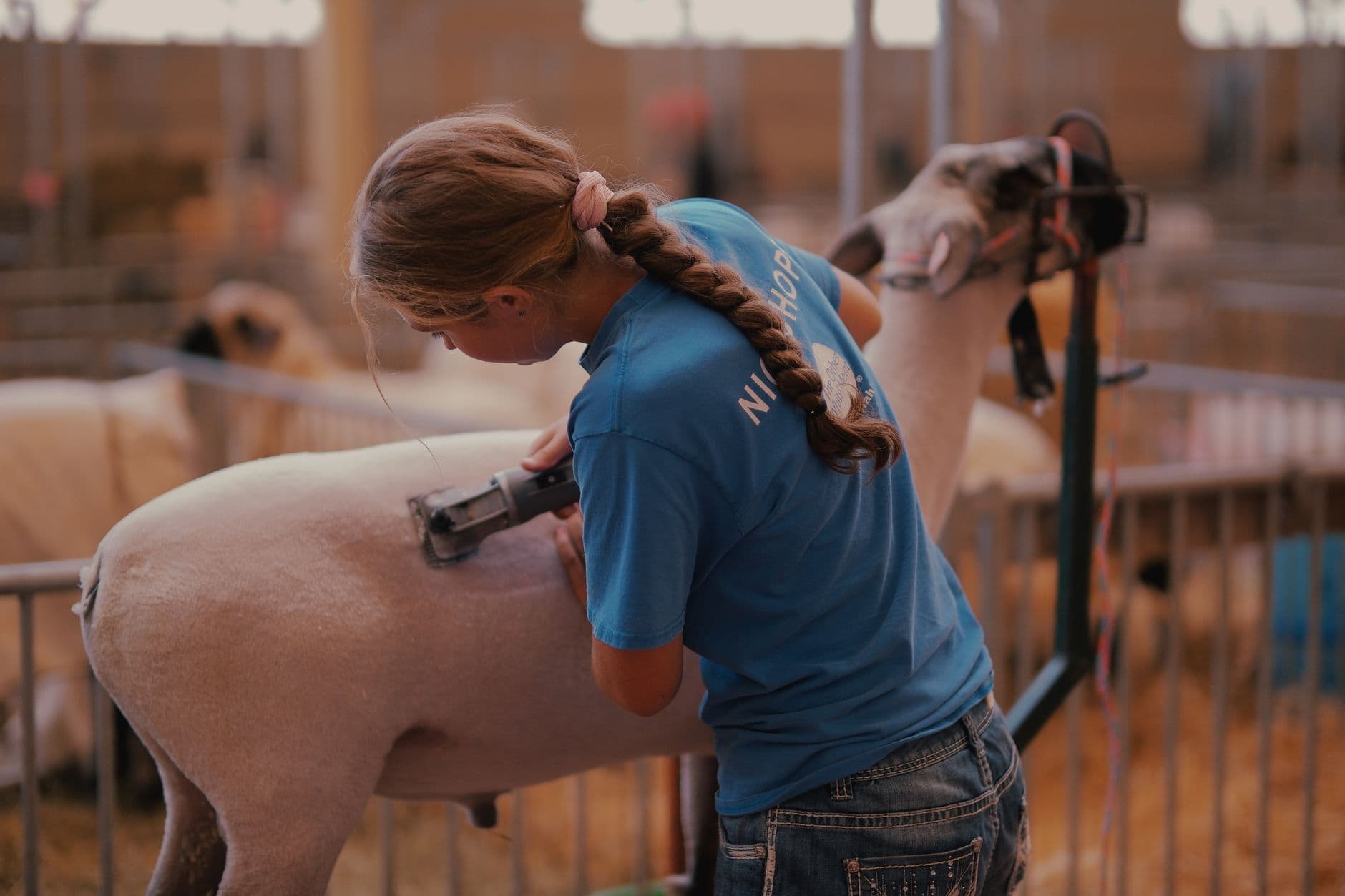
Even when no concert or wedding is on the schedule, the fairgrounds remain a working agricultural venue. County fair materials include rules and forms for 4-H contests, livestock loan information, project-pen applications, judges’ guides, vendor applications, and records for beef, sheep, goat, swine, poultry, and dog projects.
That paperwork matters because it shows how many different people rely on the property to make the county fair function. Youth exhibitors, livestock families, judges, vendors, and agricultural educators all depend on the same facility and the same administrative structure to keep projects moving from planning to show ring.
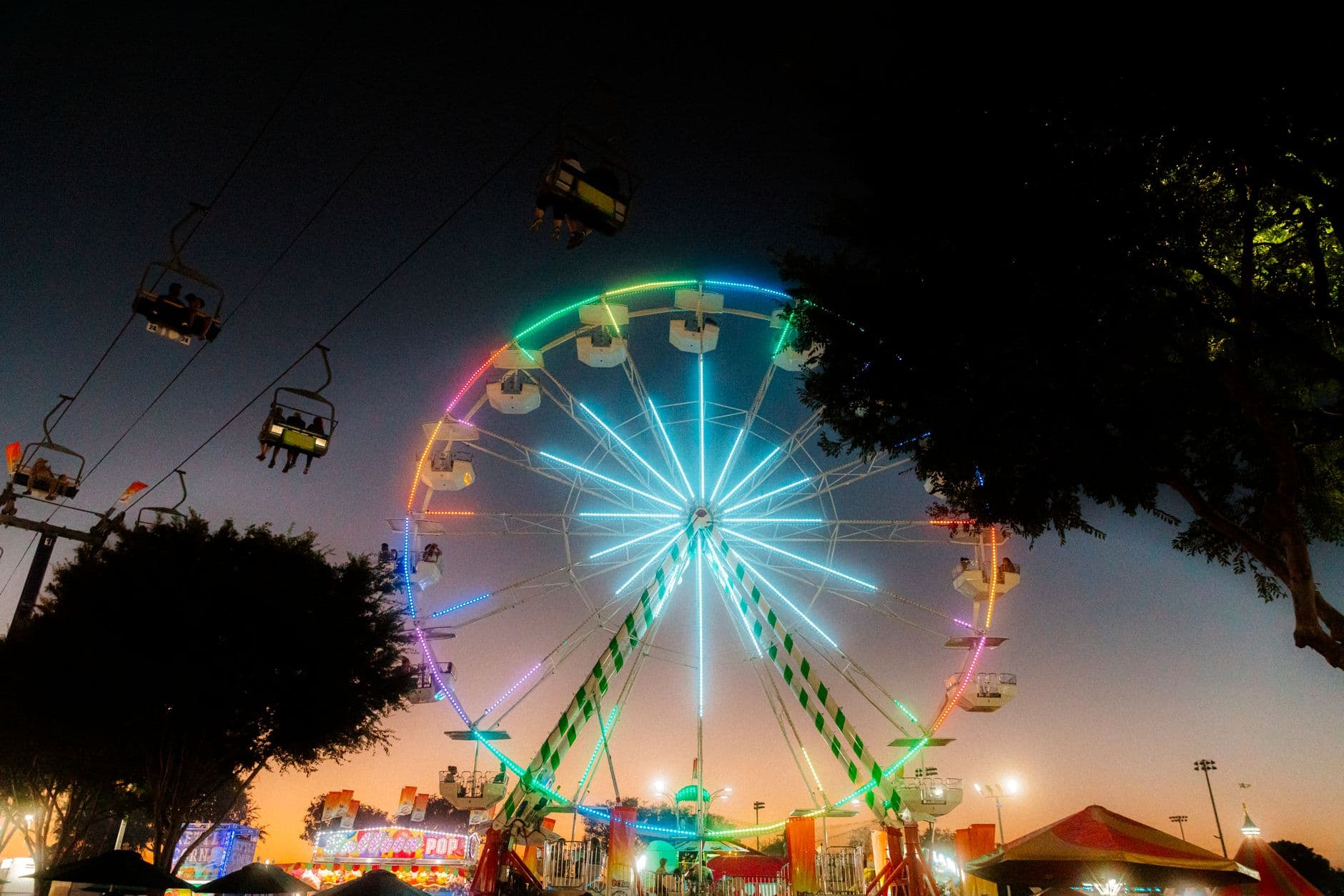
The fair itself is still a long-running local landmark. Local coverage has described the Laramie fair as being in its 120th year, and Visit Laramie places the annual event in a week-and-a-half window around late July and early August. For 2026, the listing runs from July 22 through Aug. 1, confirming that the fairgrounds remain central to one of Albany County’s most durable public traditions.
Why the county depends on one multipurpose campus
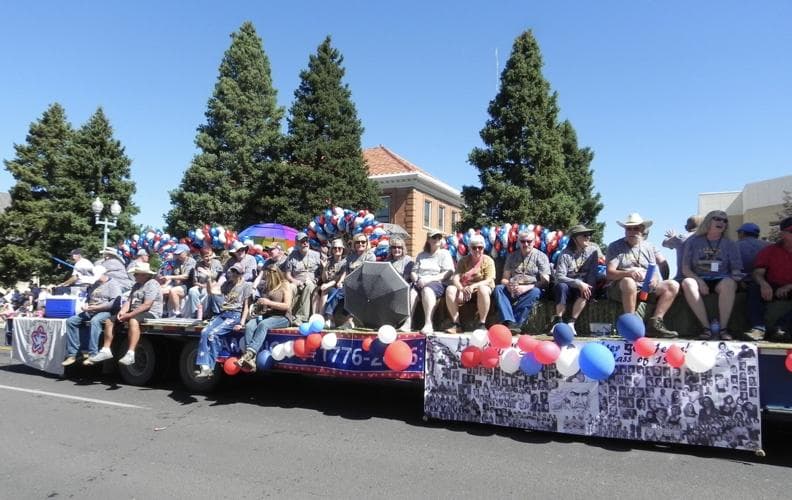
The fairgrounds matter because they concentrate several kinds of public value in one location. They support livestock and youth programming, host big-ticket events such as Jubilee Days and rodeos, provide space for expos and private rentals, and offer campground and storage services that people can use even when no major event is underway.
That mix creates a straightforward return for county taxpayers: one site does many jobs. If the fairgrounds were unavailable, Albany County would lose not only fair week space but also the campground, winter storage, large indoor meeting rooms, and the flexible grounds that make it possible to host crowds in one place near Laramie and Interstate 80.
The practical case for the fairgrounds is exactly what makes it important. It is a piece of county infrastructure that keeps working all year, and the public uses it in far more ways than the name on the gate suggests.
This article was produced by Prism’s automated news system from verified source data, official records, and press releases, then run through automated quality and moderation checks before publishing. The system is built and supervised by the people who set the standards it runs under. Read our full AI policy.
Did this article answer your question?