Albany County, Laramie Residents Can Access Government Meetings, Public Comment Processes
Albany County and Laramie residents have more access to local government than many realize, from agenda packets to live public comment.

Civic participation in Albany County starts with knowing where to look. Whether you want to weigh in on a zoning decision before the City of Laramie City Council, track a budget amendment moving through Albany County commissioners, or simply understand how local decisions get made, the processes for accessing government meetings and public comment are open to anyone willing to engage them.
Finding Agendas and Meeting Packets
Both the City of Laramie and Albany County publish agendas and supporting packets ahead of their scheduled meetings. These documents are the backbone of local government transparency: they outline what elected and appointed officials will discuss, vote on, or receive public testimony about during any given session. Agendas typically become available in the days leading up to a meeting, giving residents time to review the material, prepare comments, and understand the context of any action being considered.
Packets often run dozens of pages and include staff reports, financial summaries, proposed ordinances, resolutions, and correspondence relevant to each agenda item. Reading the packet before a meeting is one of the most effective ways to arrive prepared. A resident who has reviewed the staff report on, say, a proposed land-use change near downtown Laramie will be far better positioned to offer substantive public comment than one who learns about the item for the first time in the meeting chamber.
How Meetings Are Structured
Albany County commissioners and the Laramie City Council hold regular meetings on set schedules throughout the year. These sessions follow a structured format: call to order, approval of minutes, consent agendas for routine items, and then substantive business items that may include presentations, public hearings, and votes. Understanding this structure helps residents identify exactly when to show up if they only need to speak to one specific item, rather than sitting through an entire session.
Special meetings and work sessions also occur outside the regular cycle. Work sessions are typically less formal and may not include public comment periods, but they offer valuable insight into how officials are thinking about complex issues before formal votes are taken. Attending a work session on a topic you care about, such as infrastructure planning or county budget priorities, can give you context that informs more effective participation later.
Attending in Person
City of Laramie meetings are held at Laramie City Hall, and Albany County commission meetings take place at the Albany County Courthouse. Both venues are open to the public, and no special credentials or advance registration are required simply to attend and observe. Showing up is itself a form of civic participation: elected officials take note of audience attendance, particularly on contested issues.
Seating is generally available on a first-come basis. Arriving a few minutes early ensures you have time to sign in for public comment if the meeting requires it, review any last-minute agenda changes posted at the door, and find a seat before proceedings begin.
Participating in Public Comment
Public comment is the formal mechanism through which residents can speak directly to elected officials during a meeting. Both the City of Laramie and Albany County incorporate public comment into their regular meetings, though the specific rules, including time limits per speaker, sign-up procedures, and which agenda items accept testimony, vary by body and meeting type.
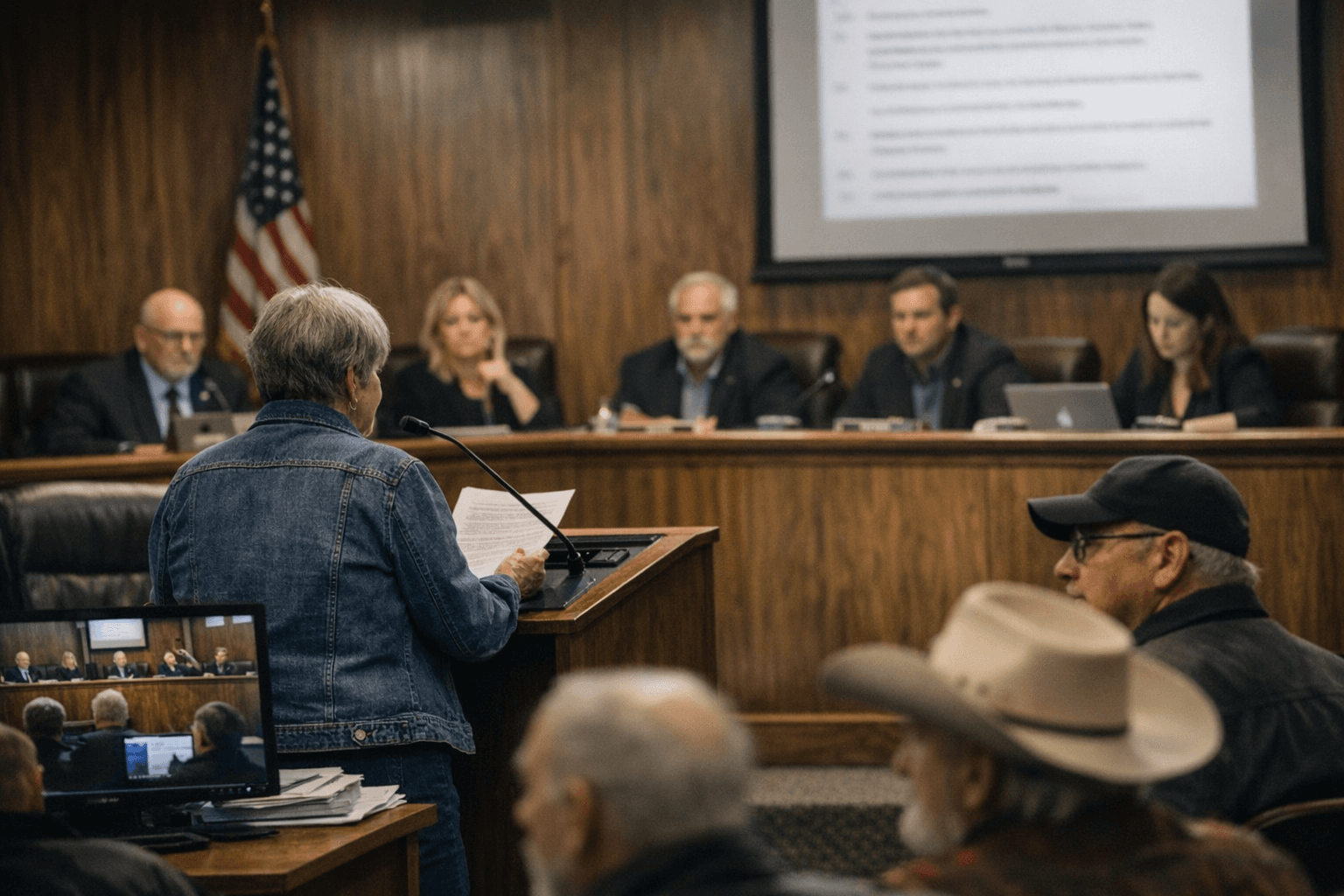
General public comment periods, sometimes called open comment or non-agenda public comment, allow residents to address topics not otherwise on the agenda. This is an opportunity to raise emerging concerns, flag issues you want officials to be aware of, or commend or critique recent decisions. Speakers are typically given two to three minutes, and comments are entered into the official record.
For items on the agenda, particularly public hearings on proposed ordinances or land-use matters, comment is usually accepted during the specific hearing for that item. Sign-up sheets are often available before the meeting starts. If you plan to speak on a specific agenda item, confirming the sign-up process in advance, either by calling the relevant city or county office or checking the published agenda for instructions, can prevent any confusion on the night of the meeting.
A few practical considerations when preparing public comment:
- Keep remarks focused and within the time allotted; officials cannot extend your time once the limit is reached
- State your name and address for the record at the start of your comment, as this is typically required
- Written comments submitted in advance are often accepted and entered into the record even if you cannot attend in person
- If you represent an organization or neighborhood group, stating that affiliation adds context to your testimony
Remote and Online Access
Many local government meetings in Wyoming have expanded remote access options in recent years. Meetings may be streamed live or recorded for later viewing, allowing residents who cannot attend in person to stay informed. Checking the City of Laramie's official website or the Albany County website for streaming links, archived recordings, and digital copies of agendas and packets is a reliable starting point.
Some meetings also allow remote public comment participation, either by phone or through video conferencing platforms. The availability of this option depends on the specific body and meeting, so confirming ahead of time is advisable.
Why Engagement Matters at the Local Level
Local government decisions in Albany County and the City of Laramie directly shape daily life in ways that state and federal policy often do not: road maintenance, land development, property taxes, parks, and public safety all run through these bodies. The relatively small scale of local government also means individual voices carry more weight than at higher levels of government.
A single resident who consistently attends commission or council meetings, reviews agendas, and offers informed public comment can develop a reputation as a credible voice on specific issues. Over time, that kind of sustained engagement builds the civic infrastructure that holds government accountable and ensures public decisions reflect community priorities rather than only the preferences of those already at the table.
This article was produced by Prism’s automated news system from verified source data, official records, and press releases, then run through automated quality and moderation checks before publishing. The system is built and supervised by the people who set the standards it runs under. Read our full AI policy.
Did this article answer your question?
