Albany County oral history archive preserves 426 local interviews
Albany County’s oral history archive holds 426 interviews across multiple institutions, giving residents a usable record of ranching, railroads, UW and neighborhood change.
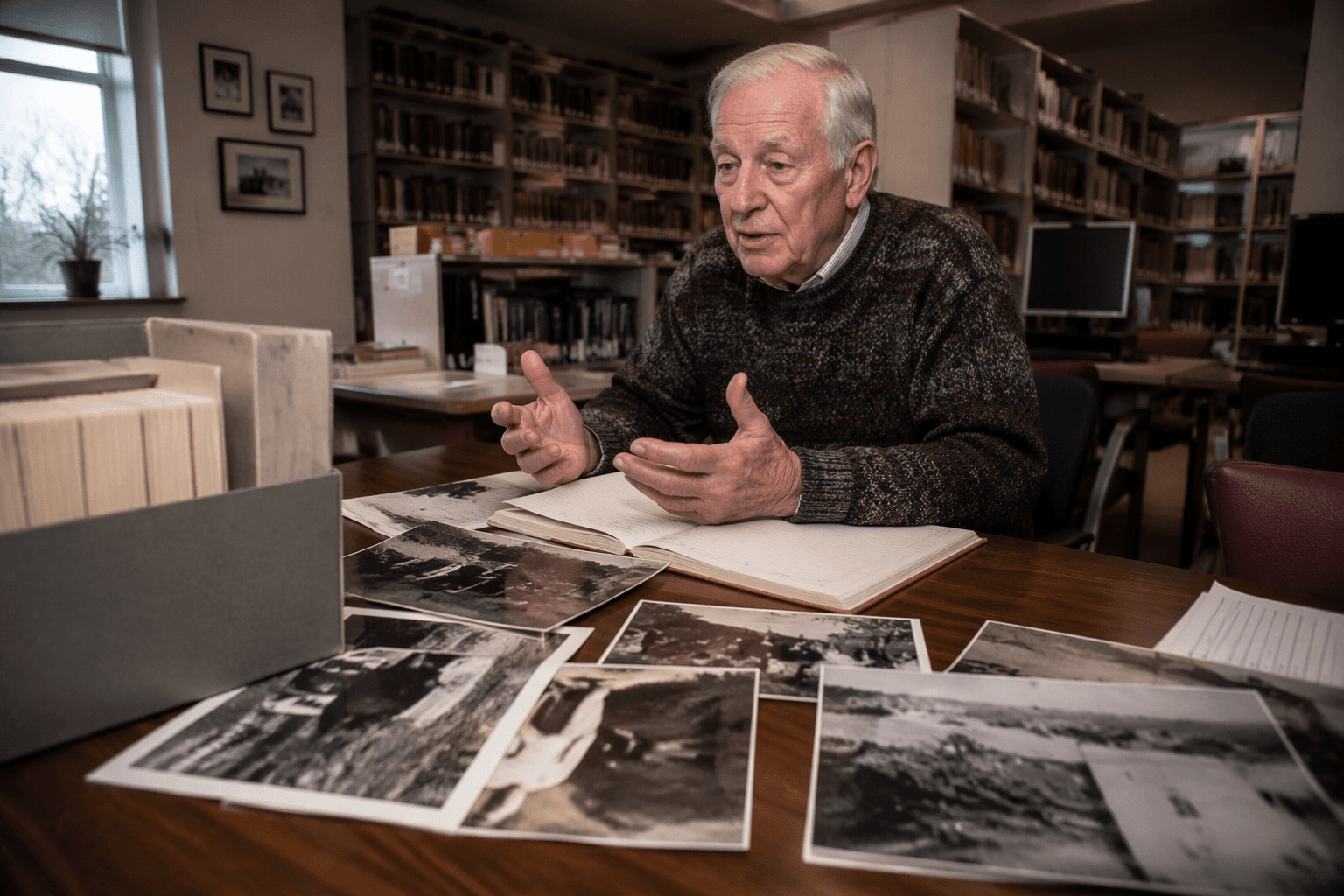
Albany County’s oral history archive puts 426 interviews within reach of anyone trying to understand how the county became what it is today. The recordings are not locked in one building, but shared among collecting institutions, which makes the archive both broader and more useful than a single museum shelf.
Where the interviews are and how to use them
The Albany County Oral Histories project is a joint effort of the Albany County Museum Coalition and the Laramie Plains Museum, with support from the Wyoming State Historical Records Advisory Board and funding that comes through the National Historical Publications and Records Commission and the National Archives and Records Administration. That structure matters because it places the archive inside a public-records and preservation system, not just a nostalgia display.
The project lists 426 oral history interviews, and the interviews are distributed among collecting institutions rather than centralized in one place. The practical instruction is straightforward: call or email the holding institution to set up an appointment to view or listen. For anyone tracing a family line, checking a property story, or looking for local context on a school, business, or neighborhood, that access model is the first thing to know.
Because the archive is shared, hours and procedures can vary from one institution to another. That means the best first step is to identify which institution holds the interview you want, then ask about listening appointments and any finding aids or index lists that may help narrow the search. The archive works less like a single reading room and more like a countywide network of listening posts.
Why the scale matters
A collection of 426 interviews is large enough to support serious research, not just casual browsing. Genealogists can use it to connect family names to places and time periods; teachers can use it to bring local history into the classroom; journalists can use it to reconstruct how land use, schools, businesses, and institutions changed over time. For residents, the archive offers firsthand memory that often never makes it into official reports or clean summary histories.
The content is especially valuable in a county where ranching, railroads, the University of Wyoming, and frontier settlement overlap. Oral history captures the texture of how those forces touched individual lives, whether through work, migration, business ownership, civic leadership, or daily routines in Laramie and the surrounding communities. In a place shaped by both town and open country, those personal accounts help show how county identity was built across distances and generations.
The collection also matters because it helps preserve voices that can disappear from written records. Oral histories can document women’s work, immigrant experience, neighborhood change, small-business struggles, and the influence of institutions that did not always leave equal paper trails. That is what makes the archive useful for people who care about social equity as well as local memory: it gives a hearing to experiences that are often underrepresented in formal records.
A countywide preservation network
The Albany County Museum Coalition is described as an alliance of museums, historic sites, repositories, and archives in Albany County, and its monthly meetings cover event calendars, disaster preparedness, preservation, and oral history documentation. That points to a working preservation culture rather than a one-off project. The archive is part of a broader effort to keep local memory organized, accessible, and protected.
The Laramie Plains Museum adds another layer of context. Its collection documents Laramie and Albany County and includes material on the West, Victoriana, ranch history, and immigration. That range shows why oral histories belong alongside artifacts and archives: they can fill in the human detail behind objects, buildings, family names, and migration stories.
Albany County’s separate digital archives project adds still more depth, with approximately 700,000 images made available through that effort. Together, these projects show local institutions moving beyond storage toward access. They are building a record that residents can actually use, whether the question is about a homestead, a school district, a downtown building, or a family that helped shape the county.
What stories the archive helps explain
The oral histories sit in a county with unusually rich historical layers. WyoHistory.org identifies Albany County as the site of both the Territorial Penitentiary and the University of Wyoming, and notes that Laramie was home to Wyoming’s first lottery and other early milestones. Those facts matter because they show how much state history passed through one county, often in ways that were not evenly experienced by everyone who lived here.
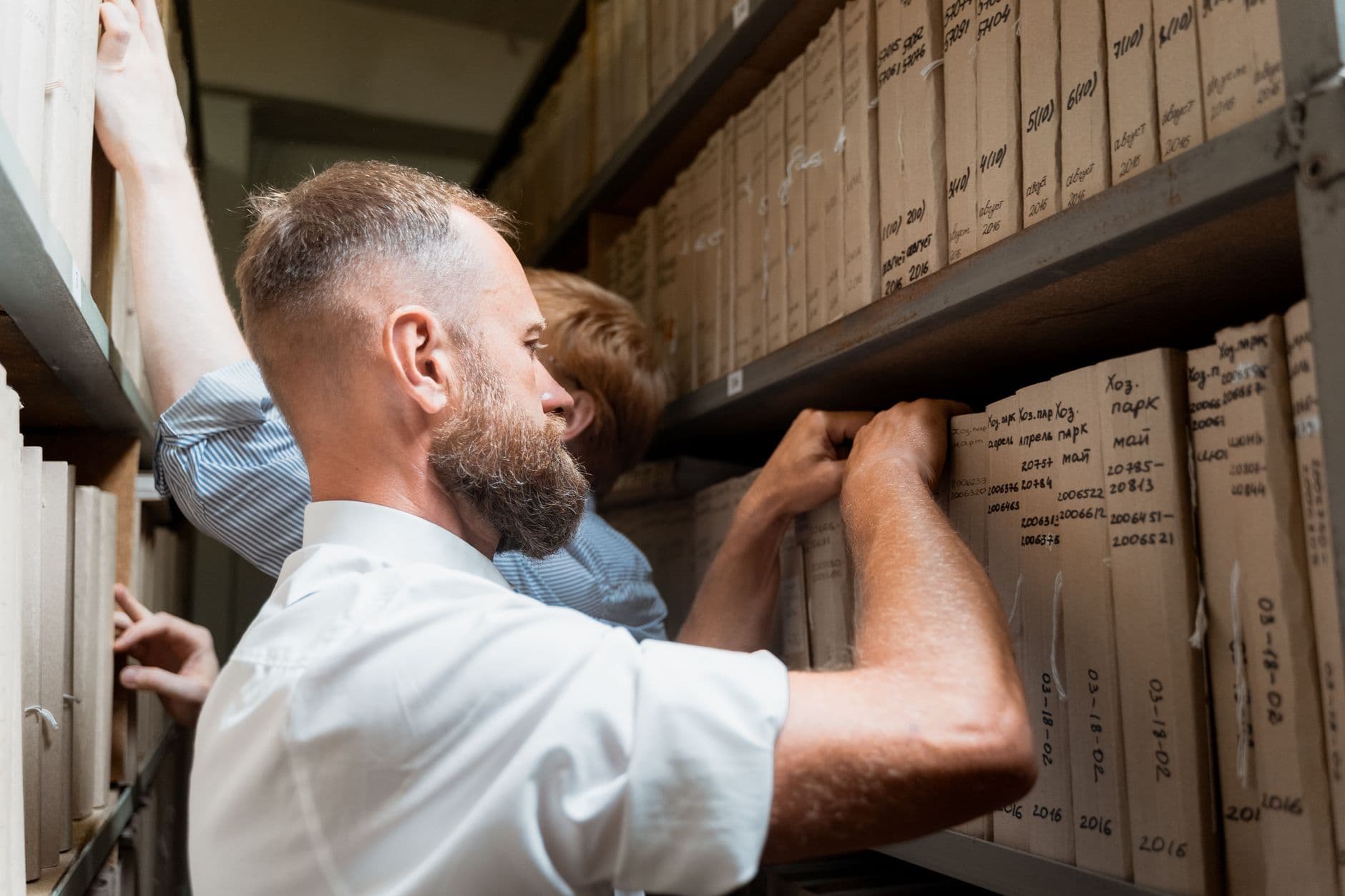
That is where oral history becomes especially useful. It can document how major themes in Wyoming history played out locally: higher education, incarceration, women’s rights, ranching, railroads, and settlement. It can also surface the experiences of families and workers whose stories are essential to understanding the county but are easy to overlook in headline histories.
The archive is strongest when readers use it to connect the personal and the structural. A ranch family story may illuminate land use; a railroad memory may explain a neighborhood or business corridor; a University of Wyoming account may show how campus growth shaped housing, jobs, and civic life; a recollection from a longtime Laramie resident may preserve the social geography of a street or block that has changed beyond recognition.
How Albany County fits into a statewide record
Albany County’s collection is part of a larger Wyoming preservation effort. Wyoming Oral History Online says the state has an estimated 5,000 oral history interviews archived in nearly 50 museums, libraries, and other institutions statewide, and the database currently includes more than 3,500 entries from more than three dozen Wyoming institutions. That places Albany County’s 426 interviews inside a much wider web of public memory.
For local institutions, that statewide context is a reminder that archives only stay usable if they remain connected, indexed, and cared for. For residents, it means Albany County’s stories are not isolated artifacts. They are part of a larger record of how Wyoming communities remember work, migration, institutions, and everyday life.
The archive’s value is not only that it preserves voices. It is that it keeps them accessible across a county where history is spread among museums, libraries, historic sites, and archives. In Albany County, memory is not sitting still. It is being maintained as a working public resource.
This article was produced by Prism’s automated news system from verified source data, official records, and press releases, then run through automated quality and moderation checks before publishing. The system is built and supervised by the people who set the standards it runs under. Read our full AI policy.
Did this article answer your question?