Albany County Residents Guide to Urgent Care and Behavioral Health Services
Laramie has more urgent care and behavioral health options than most residents realize — here's how to navigate every one without defaulting to the ER.
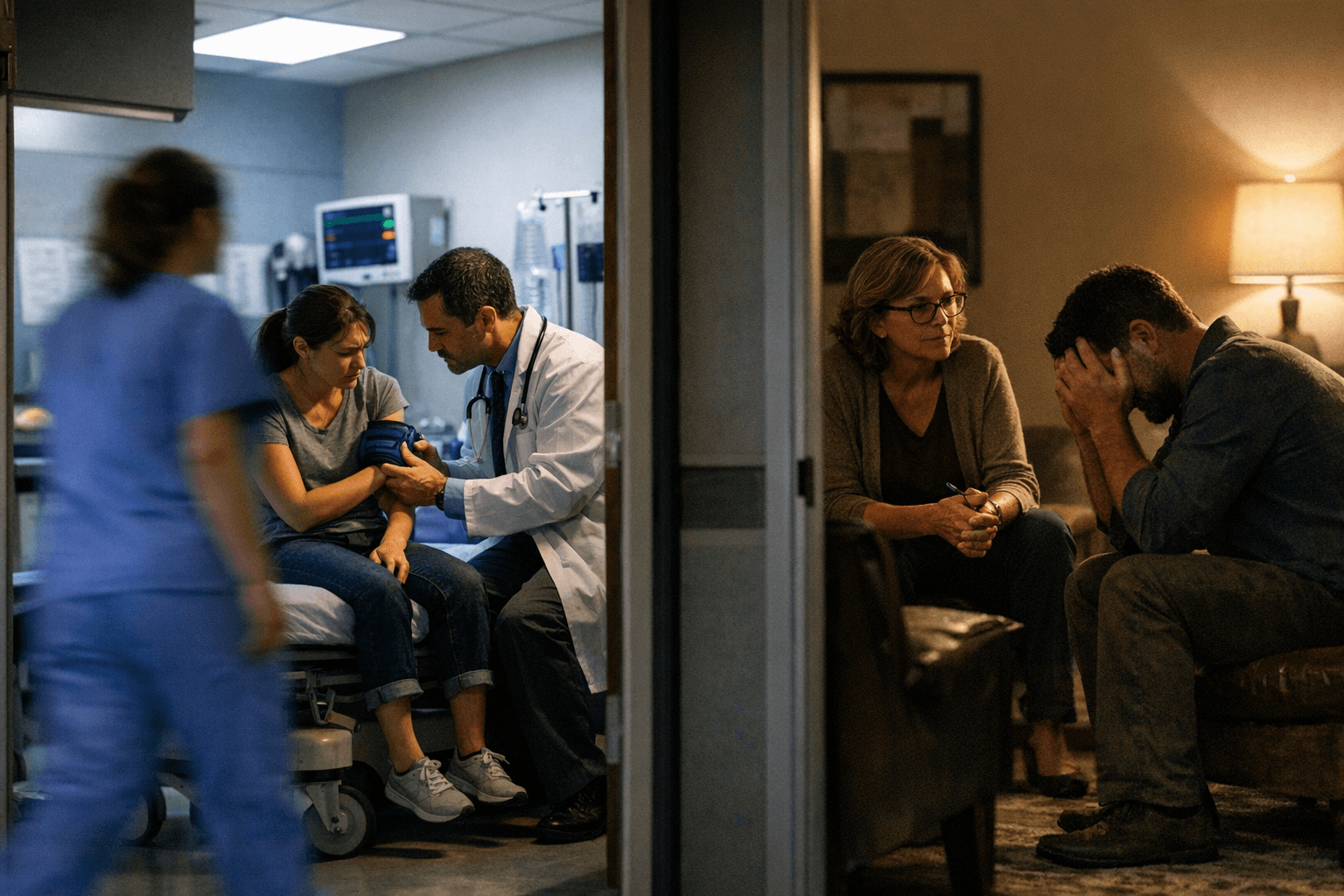
Knowing where to go before a health crisis hits is one of the most practical things any Albany County resident can do. Laramie sits at a geographic remove from major metro medical centers, which makes understanding the local care landscape not just convenient but genuinely important. Whether you're dealing with a sprained ankle on a Saturday, a mental health episode in the middle of the night, or a child's fever that won't break, the difference between the right care setting and the wrong one can mean hours of waiting, thousands of dollars in bills, and outcomes that vary more than most people expect.
Urgent Care vs. the Emergency Department: Knowing the Difference
The emergency department at Ivinson Memorial Hospital on Julian Avenue exists for life-threatening and severe conditions: chest pain with shortness of breath, stroke symptoms, major trauma, severe allergic reactions, and anything where minutes genuinely matter. It is staffed and equipped accordingly, which also means wait times and costs reflect that level of resource intensity.
Urgent care, by contrast, is designed for conditions that need same-day attention but are not life-threatening. Think lacerations that need stitches, urinary tract infections, mild asthma flare-ups, sprains and minor fractures, ear infections, flu symptoms, and school or sports physicals when your primary care provider is booked out. Using urgent care for these situations keeps the Ivinson ED available for true emergencies and, in most cases, gets you seen faster and billed at a significantly lower rate.
A useful rule of thumb: if you could reasonably drive yourself or have a friend drive you without calling 911, urgent care is likely the appropriate first stop.
Urgent Care Options in and Around Laramie
Laramie's urgent care landscape has grown in recent years, giving residents more flexibility than the city had even a decade ago. Ivinson Memorial Hospital itself operates outpatient clinic services that bridge the gap between primary care scheduling and emergency-level intervention. The hospital's main campus on Julian Avenue remains the anchor of Albany County's healthcare infrastructure, and its affiliated providers cover a broad range of walk-in and same-day needs.
For residents on the University of Wyoming campus or connected to the university community, the UW Student Health Service on campus provides urgent and primary care during regular academic-year hours. While it is oriented toward enrolled students, it represents a significant resource for a large segment of Laramie's population and reduces pressure on community-wide urgent care capacity.
Telehealth has also become a practical option for many non-emergency situations, particularly for residents in the more rural stretches of Albany County outside Laramie proper. Conditions like sinus infections, minor rashes, medication refill consultations, and follow-up care for known conditions can often be handled via video visit, eliminating the drive into town entirely.
Behavioral Health Services in Albany County
Mental health and substance use services have historically been among the most difficult to navigate in Wyoming, and Albany County is no exception. The state's rural character, combined with national shortages of behavioral health providers, means that connecting with the right support often requires knowing specifically where to look.
Behavioral Health at Ivinson Memorial Hospital provides inpatient and outpatient psychiatric services and serves as the county's primary institutional resource for acute mental health crises. If someone is in immediate danger to themselves or others, the Ivinson ED is the appropriate entry point, and staff can facilitate psychiatric evaluation and, when necessary, transfer to higher levels of care.
For outpatient and ongoing behavioral health needs, Albany County residents have access to community mental health resources that operate on sliding-scale or Medicaid-accepted fee structures. These services are critical for residents managing depression, anxiety, trauma, bipolar disorder, and substance use disorders outside of a crisis context.
The University of Wyoming's Counseling Center, located on campus, provides free short-term counseling to enrolled students and serves as a training site for graduate-level counselors. For community members who are not students, UW's psychology training clinics have historically offered lower-cost therapy options through supervised graduate student clinicians, making professional-quality care more financially accessible.
Wyoming's 211 helpline, available by dialing 2-1-1, connects callers with local health and human services resources including behavioral health referrals, crisis support, and substance use treatment options. It operates statewide but is staffed to provide Albany County-specific referrals and remains one of the most underutilized resources in the region.
Crisis and After-Hours Mental Health Resources
A behavioral health crisis does not follow business hours, and Laramie residents should have crisis contact information accessible before they need it. The 988 Suicide and Crisis Lifeline, reached by dialing or texting 988, connects callers with trained crisis counselors around the clock. The line covers mental health crises broadly, not only suicidal ideation, and is appropriate for situations involving panic attacks, psychotic episodes, or overwhelming emotional distress.
The Crisis Text Line, reached by texting HOME to 741741, provides an alternative for individuals who cannot or prefer not to speak by phone. Both services can help callers stabilize, develop a safety plan, and connect with local follow-up resources in Albany County.
For situations that feel urgent but not immediately life-threatening, calling a behavioral health provider's after-hours line before going to the ED can sometimes result in a same-night phone consultation or a next-morning appointment, avoiding an ED visit that may not be the most therapeutically appropriate setting.
Navigating Insurance and Cost
One reason people default to the emergency department is uncertainty about whether their insurance covers urgent care. In most cases, urgent care visits are covered at a lower cost-sharing tier than ED visits under both commercial insurance and Medicaid. Wyoming Medicaid, which covers a significant portion of Albany County residents, generally covers urgent care services at participating providers.
For behavioral health specifically, the Mental Health Parity and Addiction Equity Act requires that most insurance plans cover mental health and substance use treatment at parity with medical and surgical benefits. If you are being denied coverage for behavioral health services that would be covered if they were physical health services, that denial may be legally challengeable.
Ivinson Memorial Hospital has a financial assistance program for residents who are uninsured or underinsured. Reaching the hospital's billing and financial counseling office before or shortly after a visit can result in significantly reduced out-of-pocket costs, and the application process is available to any Albany County resident regardless of immigration status.
A Note on the Bigger Picture
Albany County's healthcare infrastructure, anchored by Ivinson Memorial Hospital and supported by UW-affiliated services and community providers, offers more options than many comparably sized Wyoming communities. The gap is not always in available services; it is often in residents knowing those services exist and how to access them efficiently. Keeping the 988 number, the 211 number, and your nearest urgent care location saved in your phone costs nothing and can meaningfully change how a health crisis unfolds for you or someone you care about.
This article was produced by Prism’s automated news system from verified source data, official records, and press releases, then run through automated quality and moderation checks before publishing. The system is built and supervised by the people who set the standards it runs under. Read our full AI policy.
Did this article answer your question?