December Cold Fronts Brought Heavy Snow, Travel Impacts Locally
Two cold fronts moved through southeast Wyoming beginning the evening of Dec. 26, bringing measurable snow to Cheyenne and Laramie and heavy mountain snowfall to the Sierra Madre and Snowy Range. The storm produced travel disruptions across Carbon and Albany counties and highlighted public health and equity concerns for residents who depend on transportation, power, and regular medical care.
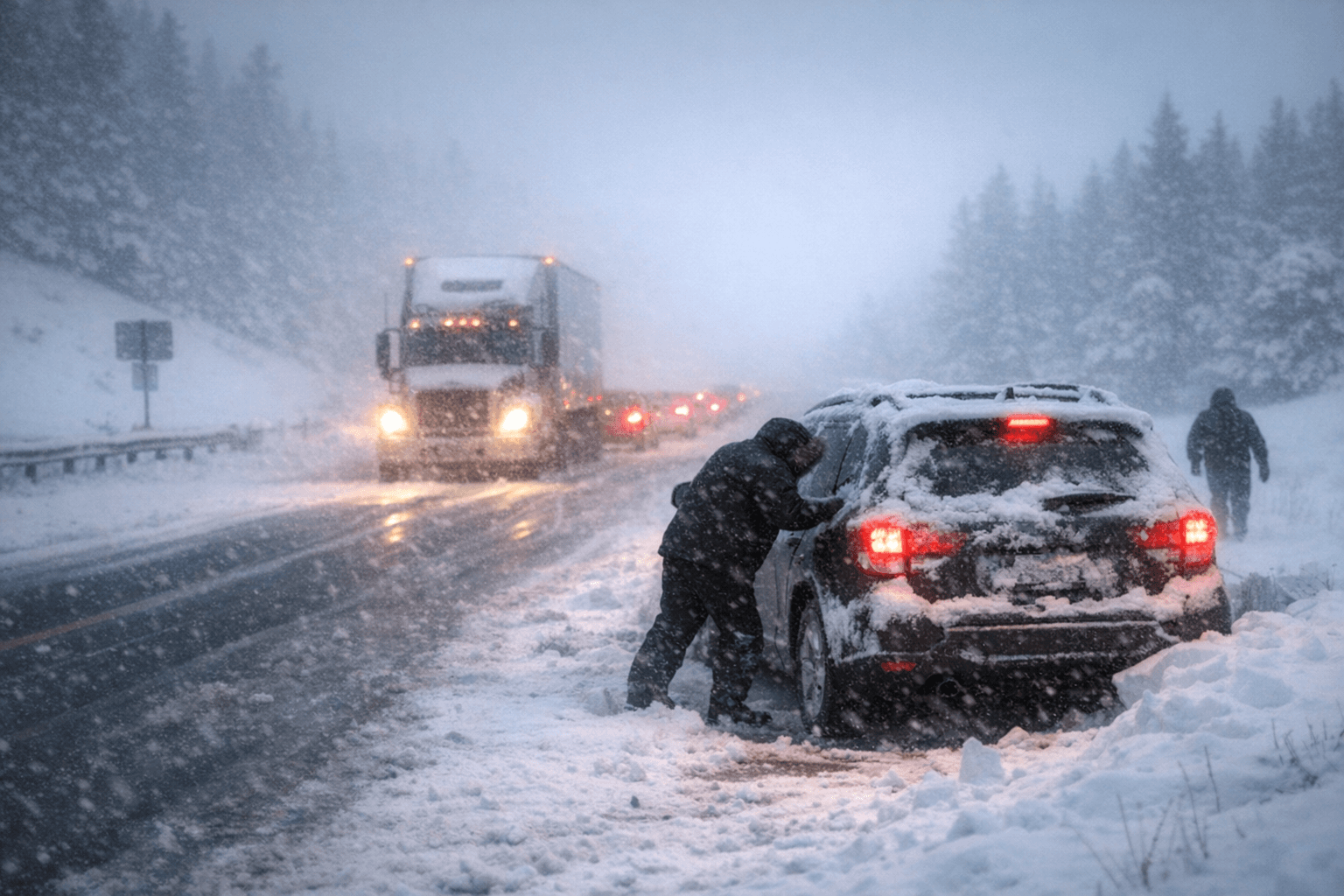
The Cheyenne office of the National Weather Service forecast two cold fronts for southeast Wyoming beginning the evening of Dec. 26. The first front produced measurable snow in Cheyenne and Laramie and heavy mountain accumulations in the Sierra Madre and Snowy Range, where 12 to 18 inches were likely and more than 20 inches were possible at the highest peaks.
Winter Weather Advisories were issued for lower-elevation adjacent areas, with 6 to 10 inches expected in some Snowy Range zones and smaller accumulations elsewhere. Blowing and drifting snow reduced visibility along Interstate 80 near Arlington and Elk Mountain. Travel impacts were expected across Carbon and Albany counties from Friday night into Sunday morning, complicating commutes and transport of goods over the holiday weekend.
For Albany County residents the storm's consequences went beyond stranded motorists. Severe winter weather increases risks of hypothermia and carbon monoxide poisoning, and it can interrupt access to medical care for people who rely on electricity-dependent equipment or routine treatments such as dialysis. Rural residents, people with limited transportation options, and those experiencing housing insecurity are more likely to face extended exposure or isolation when roads are impassable and services are delayed.
Mountain recreation areas that received heavy snow also saw increased avalanche risk and hazards from rapid drifting. Backcountry users and local search and rescue responders faced heightened strain when conditions deteriorated. Even where amounts at valley elevations were modest, blowing snow and slick roads created dangerous driving conditions on primary routes connecting Albany County to neighboring communities.
The storm underscored long-standing policy and infrastructure issues that shape community resilience. Consistent investment in road maintenance and emergency response capacity remains crucial for rural counties. Expanding access to reliable power, backup systems for residents dependent on medical devices, and outreach to homebound or mobility-limited individuals are practical public health measures that reduce inequitable impacts during winter emergencies. Telehealth options and coordinated transportation plans for medically vulnerable patients can lessen disruptions in care when travel is restricted.
As the region moved past the initial fronts, clearing and recovery depended on road crews and volunteer responders working in difficult conditions. For future storms, Albany County residents should review personal preparedness steps, check with local authorities about road conditions before travel, and consider the special needs of neighbors who may be disproportionately affected by winter closures and power outages.
This article was produced by Prism’s automated news system from verified source data, official records, and press releases, then run through automated quality and moderation checks before publishing. The system is built and supervised by the people who set the standards it runs under. Read our full AI policy.
Did this article answer your question?