Governor Narrows Sublette Antelope Migration Corridor, Sends Eight Segments to Local Review
Governor Mark Gordon announced on December 14 that eight of the ten proposed Sublette Antelope Migration Corridor segments would advance to local review, while two segments will not be advanced at this time. The change revises an earlier administration plan to consider all ten segments and is presented as an effort to balance migration protections with agricultural, energy and recreational concerns, with direct implications for landowners and local stakeholders.

Governor Mark Gordon on December 14 altered his administration's approach to the proposed Sublette Antelope Migration Corridor, known as the Path of the Pronghorn, narrowing the number of corridor segments that will proceed to local review. Eight of the original ten segments were selected for review by local working groups, and two segments were held back from further consideration for now. The move represents a modification from an earlier plan to advance all ten segments for the same review process.
The local working groups that will examine the eight segments are composed of representatives for agriculture, energy, wildlife and motorized recreation. That composition places diverse economic and conservation interests at the center of the next phase, and signals the administration intends to rely on locally based deliberation rather than unilateral state action. The decision frames the corridor effort as a negotiated policy rather than a purely conservation driven initiative.
For residents and landowners in Albany County the change matters because it concentrates scrutiny on specific segments and determines which landscapes and operations will face potential management recommendations. Energy operators and ranching interests will be part of the working groups, which means local economic concerns will be weighed alongside wildlife migration protections. Wildlife managers and recreation interests also gain formal seats at the table, which could shape mitigation measures and access policies downstream.
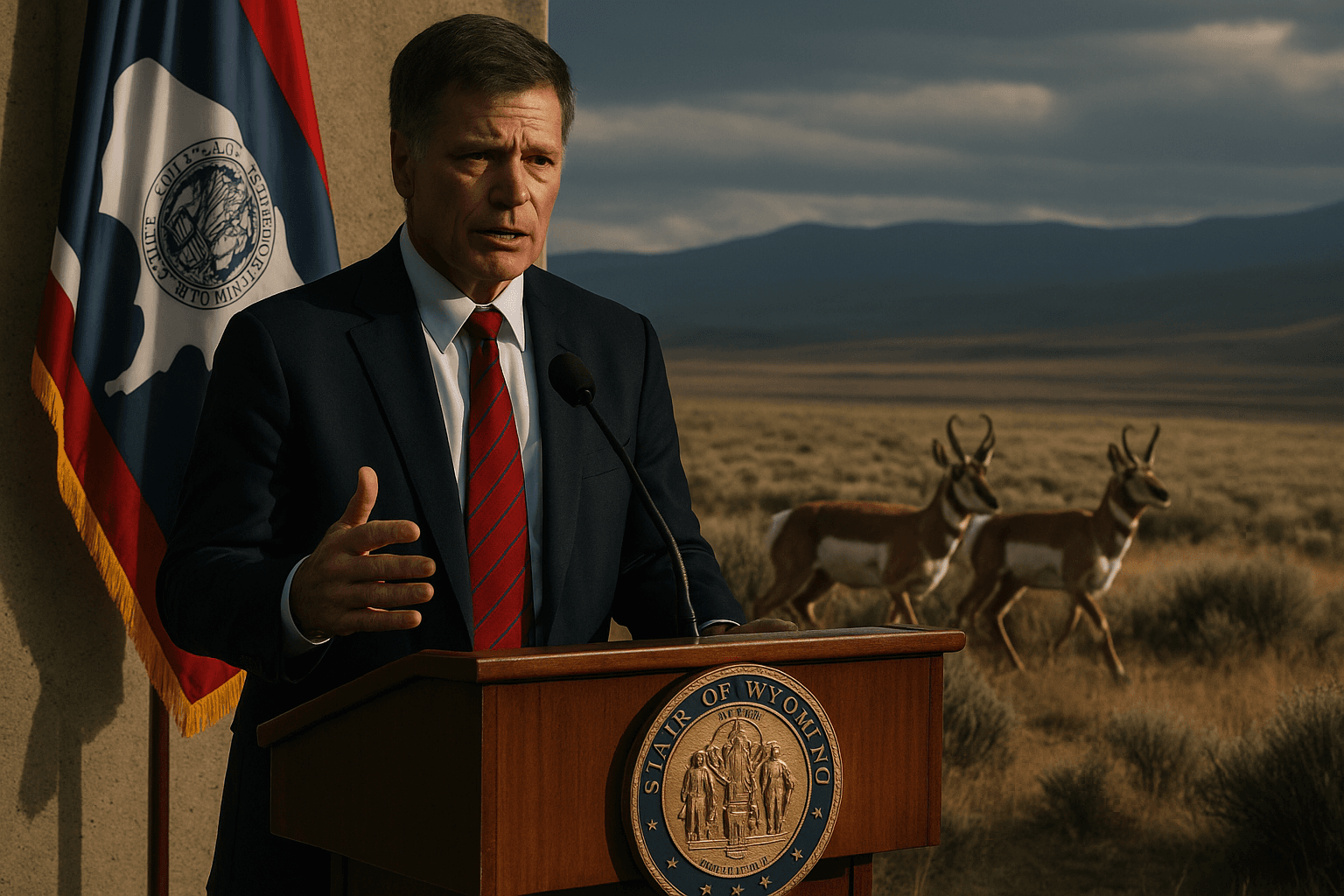
Policy implications include the balance between state level conservation goals and local control over land use decisions. The working group structure raises questions about transparency and criteria for evaluating corridors, and about how recommendations from locally based committees will be translated into enforceable measures or voluntary agreements. The administration described the move as an attempt to balance competing priorities, but the practical outcomes will depend on the working groups' deliberations and the state response to their findings.
The narrowed process underscores the importance of civic engagement. Local officials, stakeholders and voters will have a direct role in a process that affects wildlife connectivity, private property interests and regional development. Observers should watch for published meeting schedules, evaluation criteria and any proposed regulatory actions that follow the working groups' recommendations.
This article was produced by Prism’s automated news system from verified source data, official records, and press releases, then run through automated quality and moderation checks before publishing. The system is built and supervised by the people who set the standards it runs under. Read our full AI policy.
Did this article answer your question?
