High Wind Warning Threatened Travel on I-80 Near Laramie
On December 29, 2025, the National Weather Service in Cheyenne issued a High Wind Warning that brought strong cross winds and blowing snow to the South Laramie Range and nearby foothills, creating hazardous driving conditions on the I-80 summit and surrounding roads. The storm's impacts highlighted risks to travelers, freight movement, and vulnerable residents in Albany County and underscored ongoing needs for emergency planning and equity-focused supports in rural communities.
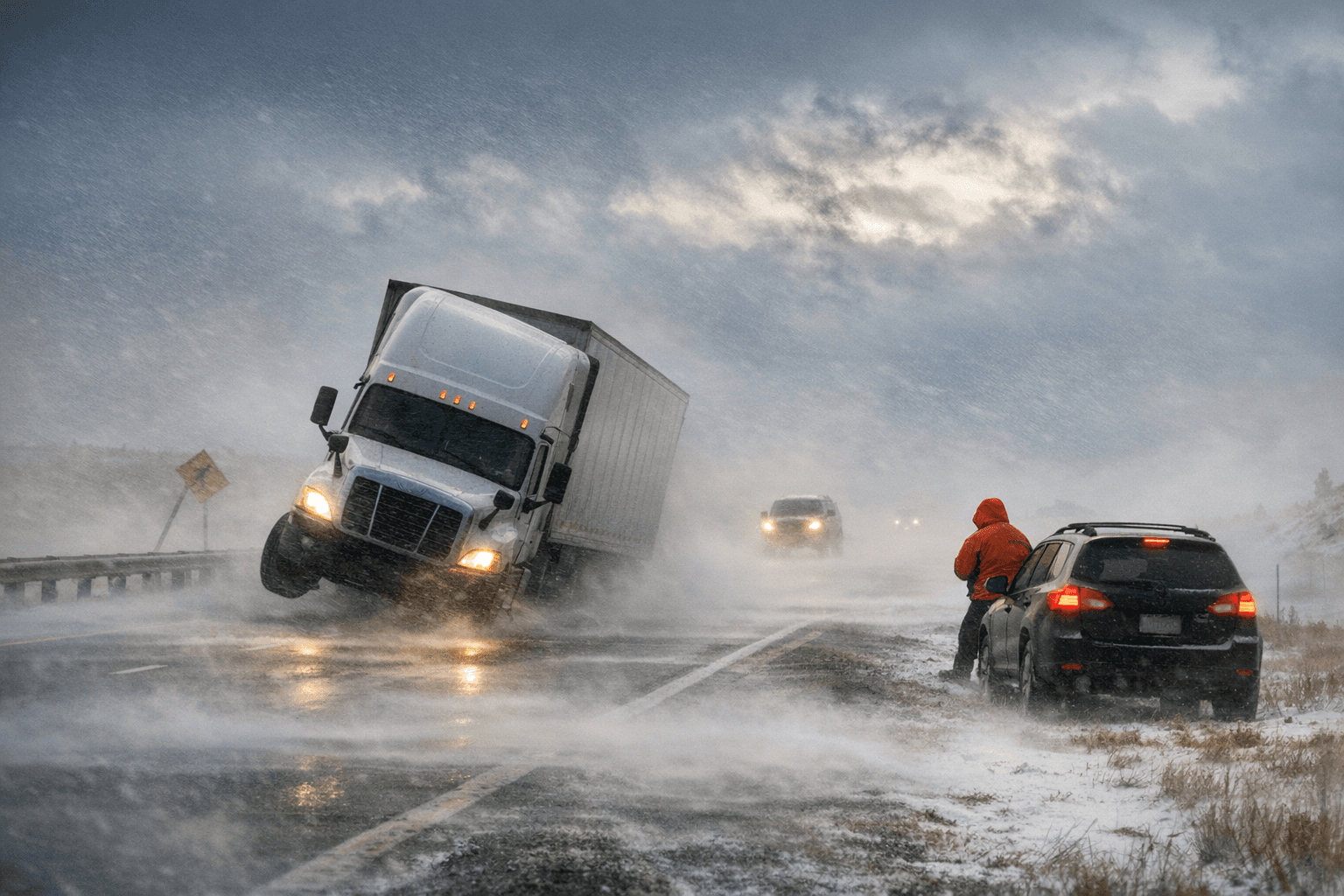
On December 29, 2025, NWS Cheyenne issued a High Wind Warning effective 1:05 p.m. MST and in force through the early hours of December 30 for the South Laramie Range and the North Snowy Range foothills. The warning targeted the I-80 summit between Cheyenne and Laramie, along with foothill areas near Arlington and Elk Mountain, and forecast west winds of 25–35 mph with gusts up to about 60 mph, with some products noting even higher gusts in exposed spots.
The National Weather Service bulletin warned of dangerous cross winds that posed particular hazards to lightweight and high-profile vehicles such as campers, trailers and empty commercial rigs. Forecasters also noted patchy blowing and drifting snow that reduced visibility and could create slick road surfaces. In response, officials urged motorists to avoid nonessential travel and to obey commercial and high-profile vehicle restrictions, while monitoring WYDOT 511 and local NWS updates for changing conditions.
The brief but intense wind event had several practical effects for Albany County. Travel over the I-80 summit, a critical east-west corridor for commuter traffic and freight, became risky, increasing the potential for spinouts, multi-vehicle collisions and delays that ripple through supply chains. Rural communities and sparsely populated stretches of highway are especially vulnerable when high winds and poor visibility occur together, because response times for emergency services lengthen and detours are limited.
Beyond immediate travel hazards, public health and equity concerns emerged. Households without reliable vehicles, residents who work in highway-dependent industries, and people with limited heating or housing security face amplified risk during short-duration storms. Emergency medical transport and clinic access can be delayed by road restrictions, and those who rely on informal neighbor networks may be isolated if roads become impassable.
The episode underscores the importance of preparedness tailored to rural populations: clear, timely road restriction enforcement, accessible information via WYDOT 511 and NWS channels, and targeted outreach to elderly and low-income residents who may need help securing heat, medication or safe transport. Local agencies and policymakers may also consider reviewing protocols for stranded motorists and bolstering resources that reduce unequal impacts when weather events disrupt travel and services.
For residents planning travel during winter storms, officials advised avoiding nonessential trips, following commercial vehicle restrictions, and monitoring WYDOT 511 and National Weather Service updates for the latest road and weather conditions.
This article was produced by Prism’s automated news system from verified source data, official records, and press releases, then run through automated quality and moderation checks before publishing. The system is built and supervised by the people who set the standards it runs under. Read our full AI policy.
Did this article answer your question?