Laramie Holds First Menorah Parade, Signals Growing Community Visibility
Laramie held its inaugural menorah parade on December 23, drawing community members downtown for a public Hanukkah celebration that emphasized visibility, interfaith connection, and inclusion. The event matters because public religious observances shape how residents experience civic space, affect local social cohesion, and influence patterns of community engagement.
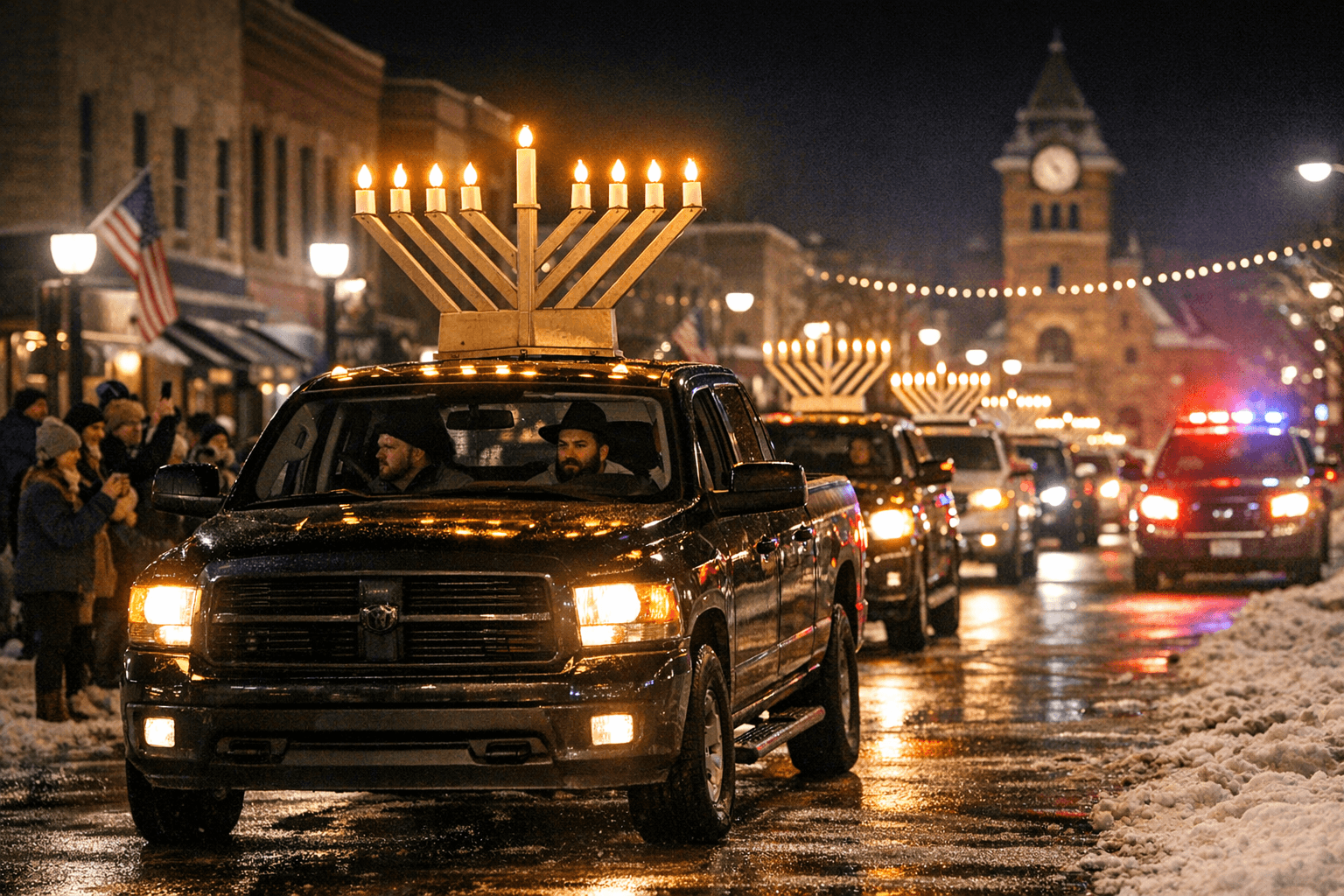
On December 23, Laramie staged its first menorah parade, a new public observance that brought members of the Jewish community and their allies into downtown streets for an evening Hanukkah procession. Organizers framed the event as a deliberate effort to increase visibility, foster interfaith connections, and create an inclusive holiday occasion for the Laramie Jewish community and supporters. The parade route passed through the central business district and drew participants from across the city.
Local leaders and participants described the parade as both a cultural celebration and a civic act. Several community members noted the value of showing solidarity in public spaces and of making a minority religious tradition visible to a wider audience. The turnout prompted municipal and civic observers to consider how public celebrations contribute to everyday civic life, including perceptions of belonging and access to shared urban spaces.
The event underscored practical questions about municipal facilitation of cultural events. City permitting for public processions, coordination of traffic and safety resources, and the role of local institutions in supporting inclusive programming are matters for county and city officials to track as similar events multiply. Visible celebrations like the menorah parade can place pressure on public agencies to clarify permitting practices, ensure equitable access to public rights of way, and allocate public safety resources in ways that preserve both order and open participation.
Beyond logistics, the parade has implications for civic engagement. Public rituals that emphasize inclusion and interfaith connection can strengthen social networks that undergird volunteerism, local advocacy, and voter participation. For residents who feel newly visible or newly welcome in civic spaces, that sense of belonging can translate into greater participation in public meetings, community organizations, and the local political process.
As Laramie moves forward, county and city officials, faith leaders, and civic organizations face choices about supporting a broader calendar of inclusive public events. The inaugural menorah parade expanded downtown life on December 23, and it has opened a conversation about how public space, institutional policy, and community engagement interact in Albany County.
This article was produced by Prism’s automated news system from verified source data, official records, and press releases, then run through automated quality and moderation checks before publishing. The system is built and supervised by the people who set the standards it runs under. Read our full AI policy.
Did this article answer your question?