Laramie to Close 4th Street for Lead Rule Connector Inspections
Laramie closed sections of 4th Street for inspections of water-line connectors under the EPA's revised Lead and Copper Rule; closures aim to safeguard drinking water without interrupting service.

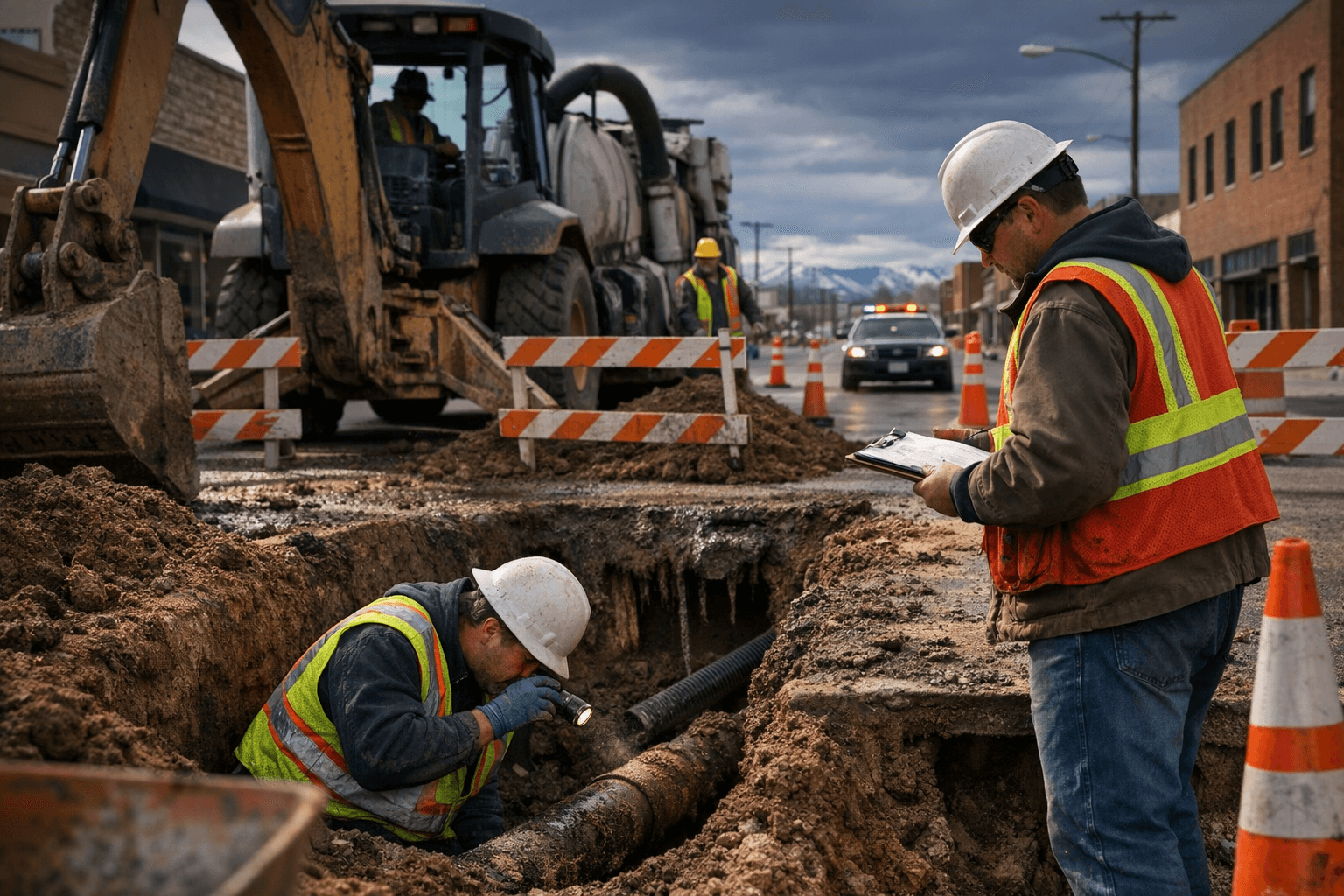
The City of Laramie announced rolling closures on 4th Street so utility crews could inspect water-line connectors identified under the Environmental Protection Agency's revised Lead and Copper Rule. The inspections stem from updated federal guidance that expands checks to connectors on the city side of service lines, a step the city said affects roughly 8,500 service connections across Laramie, including 44 beneath 4th Street.
City officials noted that prior inspections in 2024 and 2025 found no lead in service lines, but the revised rule requires connector inspections even when service lines tested clear. Crews worked during daytime hours, with inspections scheduled between 8:30 a.m. and 4:30 p.m. Local leaders emphasized that the work would not interrupt water service and would not involve digging on private property; inspections were limited to city property. Closed areas along 4th Street were marked with signs and handled as rolling closures to minimize traffic disruption.
The closures and inspections carried immediate implications for commuters, business owners, and residents who use 4th Street for daily travel. Drivers were asked to allow extra time and follow posted detours while city-maintained parking and loading zones near inspection points might be temporarily restricted. Pedestrian access was maintained where possible, but residents with mobility concerns were advised to follow posted signage for safe crossings and temporary reroutes.
After the connector inspections were completed, the city scheduled a mill-and-overlay road surface restoration of the affected 4th Street segments. The paving work is intended to return the roadway to regular use and to leave the corridor in better condition than before the inspections. That post-inspection restoration offers a visible short-term benefit to neighborhoods that experienced temporary traffic controls.
The inspections on 4th Street reflect a broader public health and infrastructure effort to reduce lead exposure in drinking water while complying with federal standards. Local compliance with the EPA rule is part of a wider effort across U.S. municipalities to inventory and address potential lead risks in aging water systems, a goal that also resonates with international public health priorities around safe drinking water.
For Albany County residents, the takeaway is practical: plan for minor traffic delays on 4th Street during weekday daytime hours, follow posted signage, and expect resurfacing work once inspections conclude. The connector checks aim to ensure long-term safety of Laramie’s water supply and restore the street to improved condition for drivers and pedestrians.
This article was produced by Prism’s automated news system from verified source data, official records, and press releases, then run through automated quality and moderation checks before publishing. The system is built and supervised by the people who set the standards it runs under. Read our full AI policy.
Did this article answer your question?
