Mass Traffic Enforcement in Laramie After Border War Football Weekend
On November 18, Laramie law enforcement conducted a focused enforcement operation during the Border War weekend that produced 243 traffic stops and 33 arrests including 17 DUIs. The operation underscores public safety concerns tied to high traffic events and highlights coordination among local and state agencies that directly affects Albany County residents.
Law enforcement agencies in Laramie carried out a concentrated traffic enforcement operation on November 18 during the Border War weekend between the University of Wyoming and Colorado State. The effort resulted in 243 traffic stops, 33 arrests, and 165 warnings. Of the arrests, 17 were for driving under the influence. Officers issued 33 speeding citations, nine seat belt citations, one child restraint citation, and 22 other citations.
The operation involved the Wyoming Highway Patrol, Laramie Police, the Albany County Sheriff’s Office, University of Wyoming Police, and other agencies working across jurisdictions to manage the surge in vehicles and patrons attending the game. Officials framed the enforcement as a targeted public safety response to a predictable spike in traffic volume and greater potential for impaired driving during large sporting events.
For Albany County residents the immediate impact was twofold. First, the visible law enforcement presence aimed to reduce the risk of crashes and serious injuries by identifying and removing impaired drivers from roadways. Second, the volume of stops and citations can affect travel times and local traffic patterns on event days, and it places operational demands on police, court, and correctional systems. The number of DUI arrests highlights persistent challenges with impaired driving during high attendance events and may prompt renewed attention to prevention strategies.
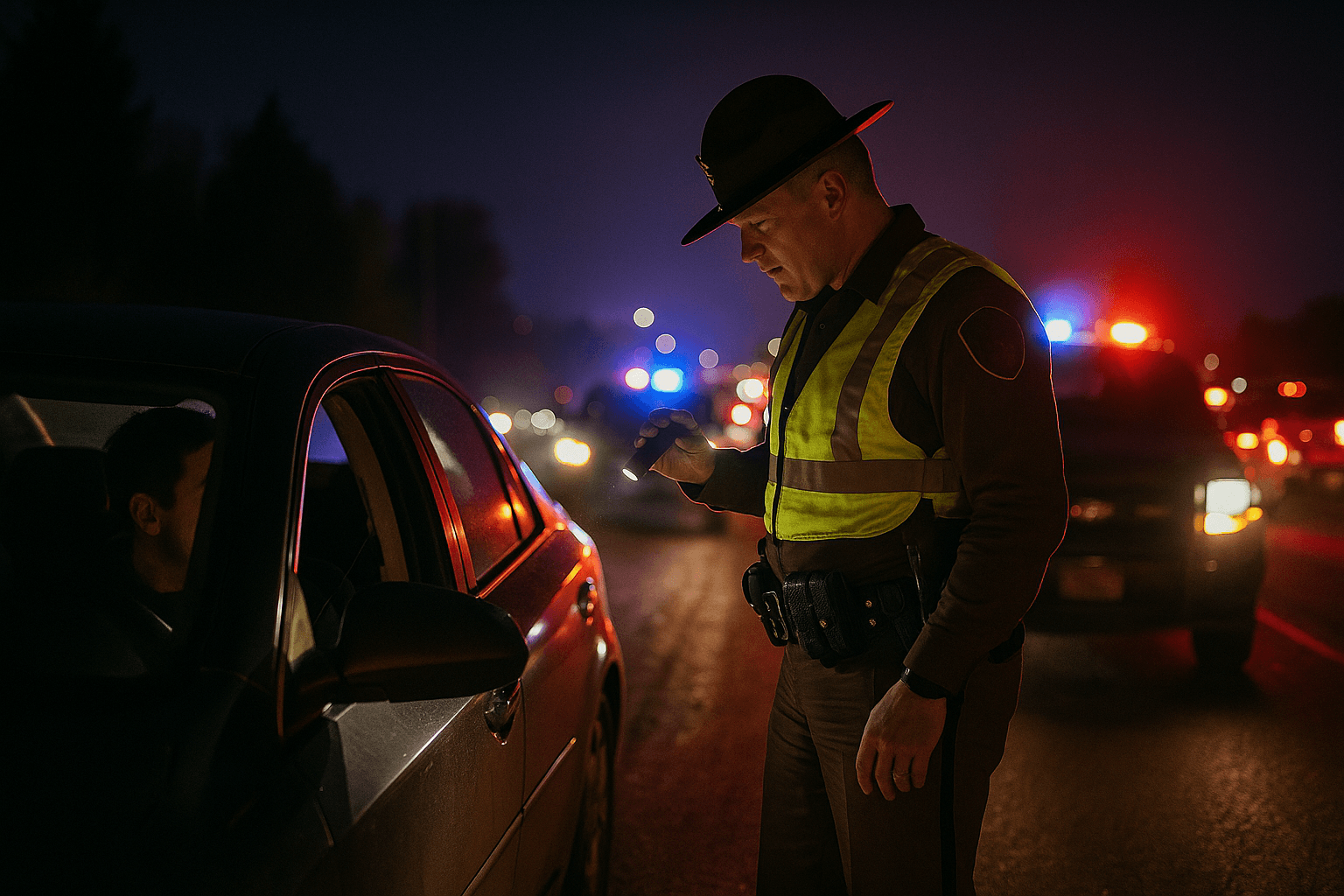
Institutionally, the operation illustrates how multiagency coordination is deployed to respond to temporary but intense public safety needs. Resource allocation decisions for events of this scale raise questions for county officials and voters about funding priorities, staffing levels, and the balance between enforcement and community outreach. Data from this operation could inform future policy choices on traffic safety campaigns, expanded public transit or shuttle services for game days, and targeted education on sober ride options.
Authorities urged the public to report suspected impaired drivers through the state REDDI hotline. For Albany County residents, staying alert to roadway risks, planning safe transportation options for game days, and engaging with local officials about traffic safety priorities are tangible ways to reduce risk and shape future enforcement strategies.
This article was produced by Prism’s automated news system from verified source data, official records, and press releases, then run through automated quality and moderation checks before publishing. The system is built and supervised by the people who set the standards it runs under. Read our full AI policy.
Did this article answer your question?
