Rural Wyoming hospital closures could trigger economic earthquake, experts warn
Six Wyoming hospitals could close, and Beth Worthen warned in Laramie that losing rural care would hit payrolls, ambulances, labor and delivery, and Main Street alike.

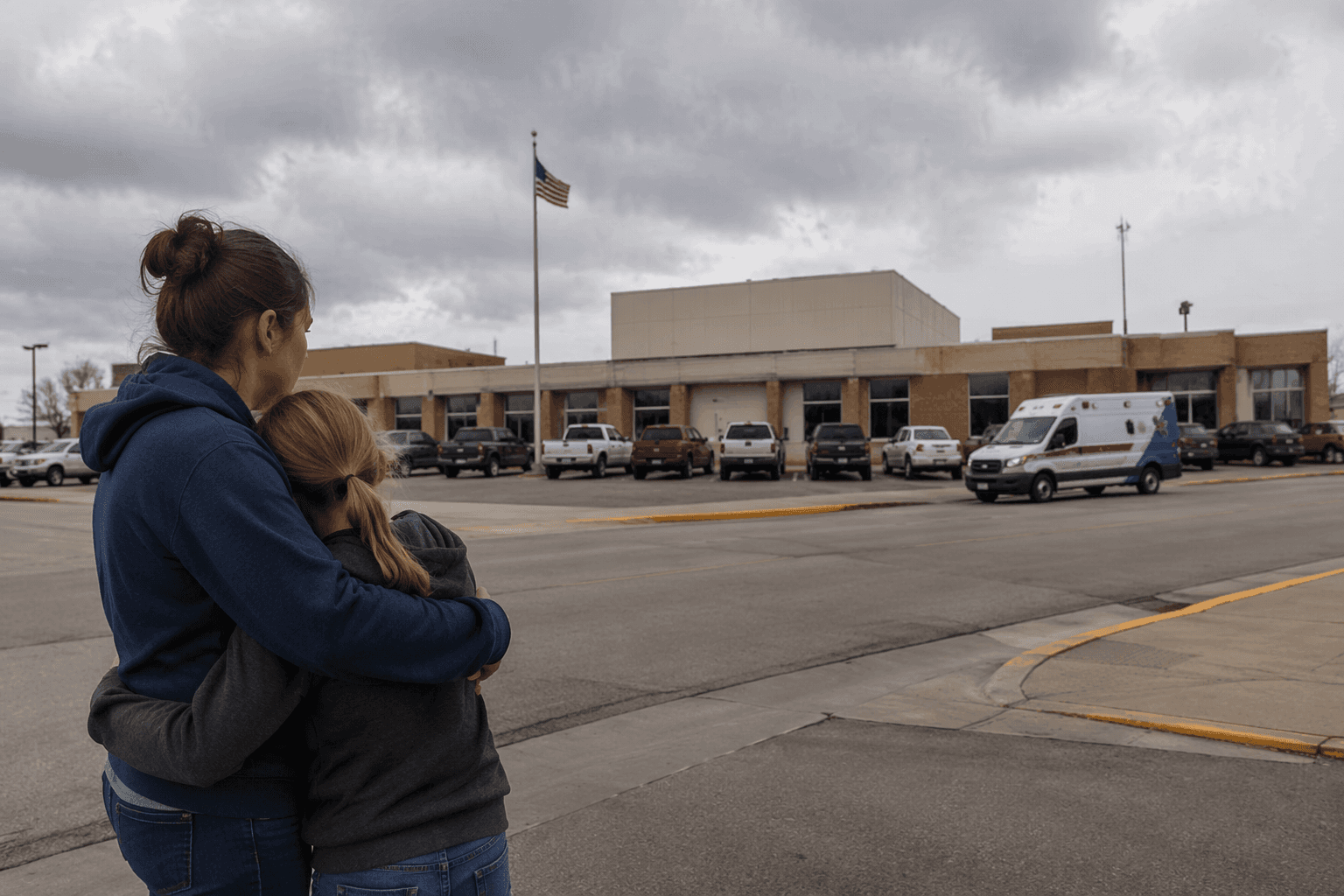
A Wyoming hospital closure would do more than eliminate beds. It would push patients farther from care, stretch ambulance runs, and strip payroll from towns that rely on the hospital as one of the biggest employers and economic anchors.
That was the warning in Laramie when Wyoming’s first statewide Healthcare Policy Summit brought physicians, hospital leaders, lawmakers, and health organizations to the University of Wyoming Conference Center inside the Hilton Garden Inn. Beth Worthen, chief executive of Natrona Collective Health Trust, told attendees that closing rural hospitals would be “an economic earthquake” and said six Wyoming hospitals are at risk of closure, with three of them potentially shutting down within two to three years.
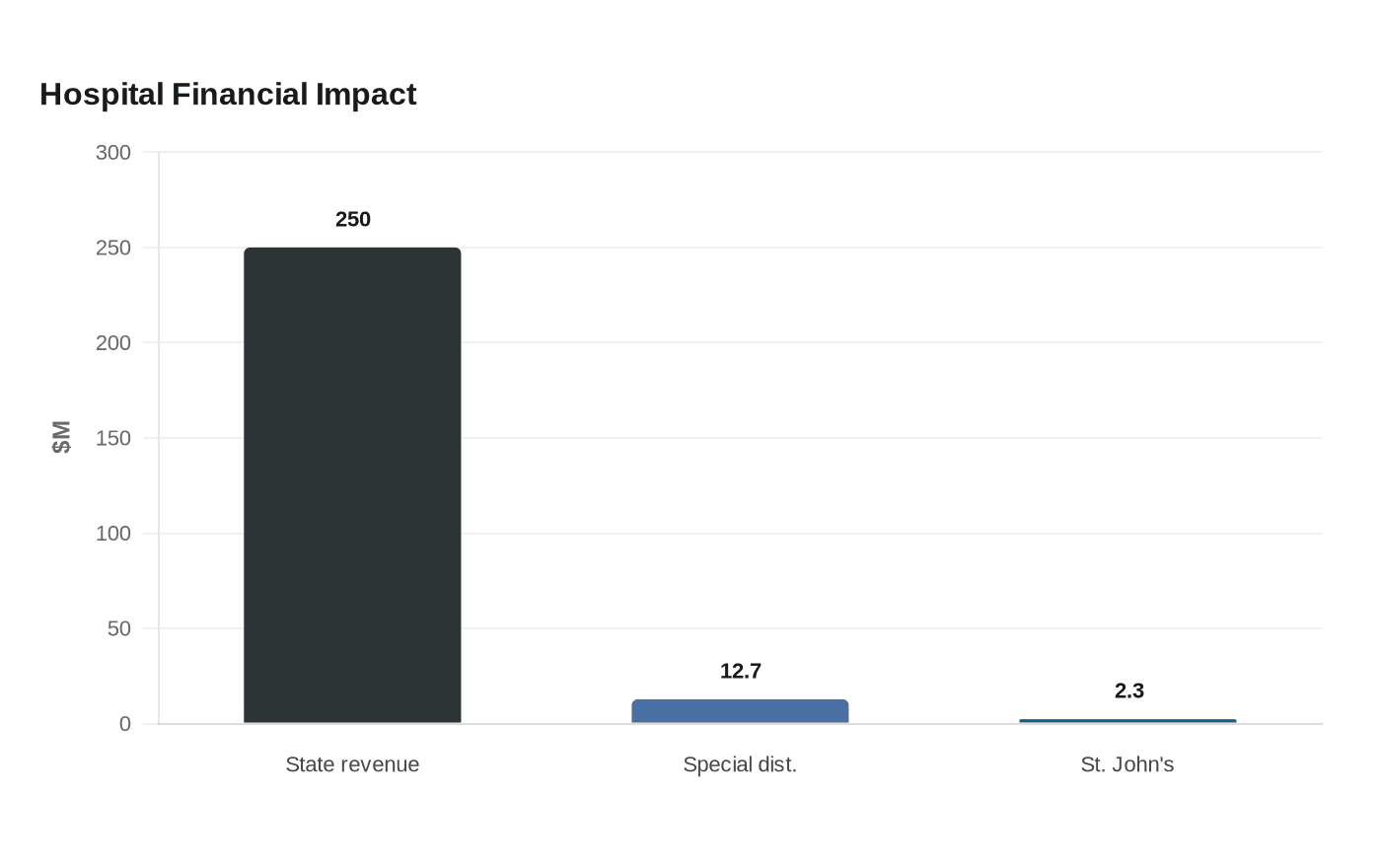
The stakes are especially sharp in communities tied to hospital districts and property taxes. Wyoming’s 2025 property-tax bill, Senate File 69, created a 25% exemption on the first $1 million of a single-family home’s fair market value, and hospital districts were already dealing with the fallout. State property-tax revenue fell by about $250 million in 2025, special districts received $12.7 million less than the year before, and St. John’s Health in Jackson said the change cost it $2.3 million. Eighteen Wyoming hospitals depend on property taxes for some income because they sit in hospital special districts.
Worthen said the damage would not stop at the hospital front door. In towns where a hospital is also a major employer, a closure can cut jobs, weaken school funding support, unsettle housing markets, and drain the spending that keeps local businesses alive. She said the loss of local tax support could threaten emergency departments, labor-and-delivery wards, and other core services that families assume will be there when they need them.
The summit also framed the issue around the property-tax debate voters will face in November, when they will consider a proposal to exempt 50% of a primary residence’s assessed value from property taxes. Worthen argued that hospital sustainability cannot be separated from that fight because tax revenue helps keep rural medical facilities open.
For Albany County, the warning lands close to home. Laramie is where many statewide health-policy decisions are debated, and county residents depend on nearby regional hospitals and clinics for primary care, emergency care, and behavioral-health services. If a rural facility cuts back or closes, families face longer drives, employers face harder recruiting, and emergency response times can lengthen when minutes matter most.
The day’s policy discussions reflected that pressure. Workforce pipeline, access, and long-term viability were central topics, with the University of Wyoming, Laramie County Community College, Casper College, WICHE, and WWAMI represented. The message from Laramie was blunt: without a fix for fragile financing, Wyoming could lose not just hospitals, but the health access that holds rural communities together.
This article was produced by Prism’s automated news system from verified source data, official records, and press releases, then run through automated quality and moderation checks before publishing. The system is built and supervised by the people who set the standards it runs under. Read our full AI policy.
Did this article answer your question?