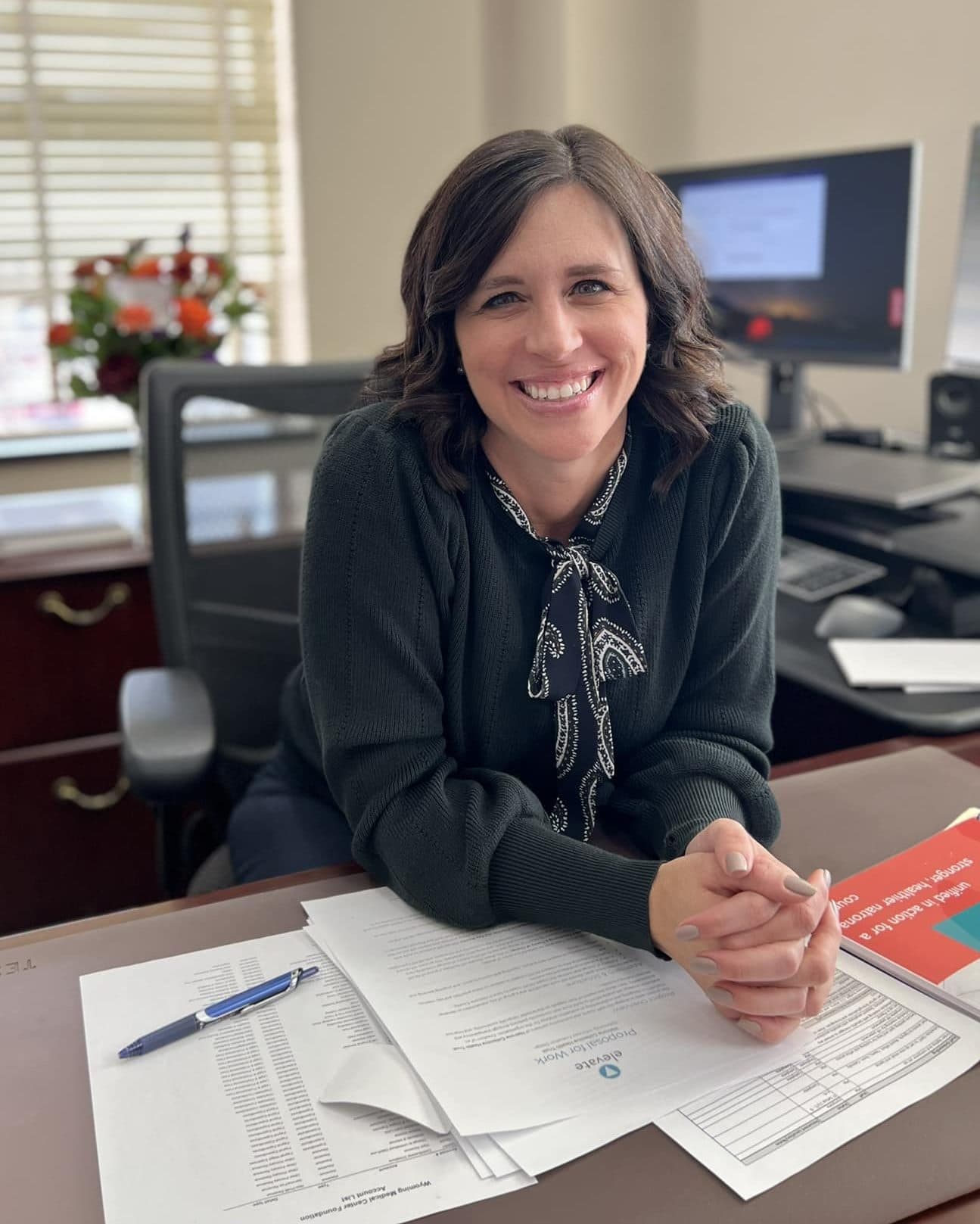
Wyoming healthcare leaders gather in Laramie for policy summit
Laramie hosted Wyoming’s first healthcare policy summit as Albany County providers faced workforce shortages, rural reimbursement pressure, and hospital-finance strain.
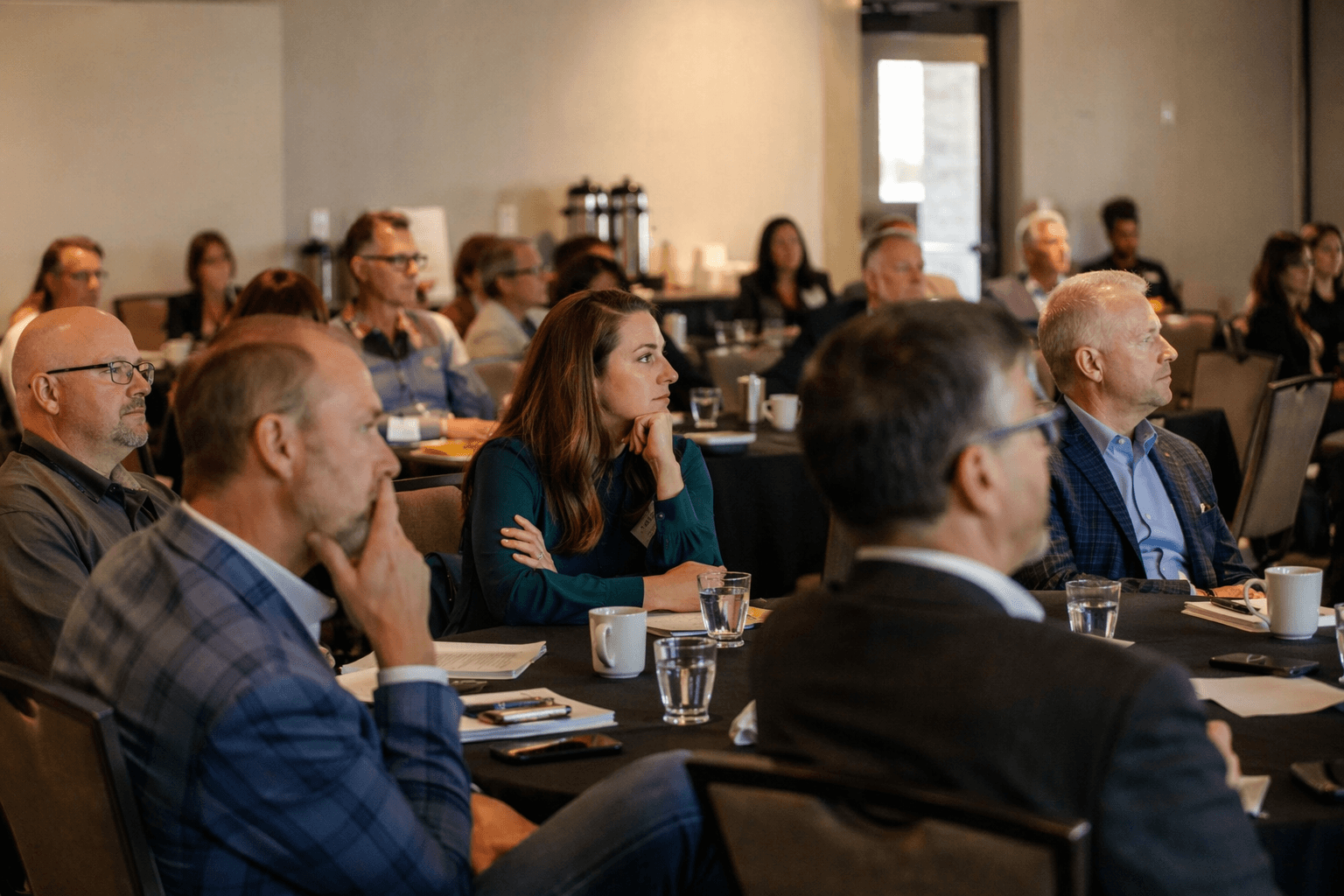
Albany County’s hospitals and clinics stood at the center of Wyoming’s first healthcare policy summit in Laramie, where state lawmakers, physicians and health leaders gathered at the University of Wyoming Conference Center to talk about the problems patients feel first: staff shortages, longer waits for appointments, limited mental-health access and the squeeze on rural hospital finances.
The summit, held Friday, June 12, was organized by the Wyoming Medical Society and other major healthcare groups as the first of what they hope will become a recurring statewide forum. For Albany County, the setting mattered as much as the agenda. Laramie is home to Ivinson Memorial Hospital, a 99-licensed-bed facility that completed a 2023-2025 community health needs assessment focused on Albany County, along with Albany Community Health Clinic, Downtown Clinic, urgent care and public health services that depend on a stable workforce and workable reimbursement.
The day’s program was built around those pressure points. A session on Wyoming’s healthcare workforce pipeline brought together University of Wyoming College of Health Sciences Dean Patrick Hardigan, Laramie County Community College President Joe Schaffer, Casper College President Brandon Kosine, WICHE Commission member Fred Baldwin, PA-C, and WWAMI Clinical Dean Representative Robert Monger, MD, with Trey Sherwood moderating. Beth Worthen of the Natrona Collective Health Trust delivered the keynote, and another panel focused on healthcare infrastructure.
Legislators were also set to weigh in. A legislative interim discussion featured Rep. Lloyd Larsen, Rep. Ken Clouston, Sen. Gary Crum and Sen. Evie Brennan, with Sen. Tara Nethercott moderating. Another session examined Rural Health Transformation in Wyoming with state health director Stefan Johannson. That lineup showed organizers were aiming past a generic networking event and toward the day-to-day policy fights that affect whether hospitals can keep beds open, recruit nurses and keep primary care appointments available.
The summit arrived as Wyoming tried to put federal rural-health money to work. The state submitted its Rural Health Transformation Program application to the Centers for Medicare and Medicaid Services on Nov. 5, 2025, after holding 11 town halls and collecting more than 1,300 survey responses. The application prioritized shoring up small rural hospitals, expanding affordable insurance, recruiting and retaining primary care physicians, training nurses and direct-care workers, and strengthening maternity services. Wyoming was reported eligible for up to $800 million over five years, with a first-year award of about $205 million.
The stakes are already visible in the state’s insurance rolls. Wyoming Public Radio reported in March 2026 that about 11,000 of the 46,000 people on the ACA marketplace exchange had dropped coverage, a shift expected to add uncompensated care pressure. For Albany County, where care often hinges on a narrow pool of clinicians and a single hospital system, the summit was less about speeches than about whether policy changes can reach exam rooms, emergency departments and maternity units before the strain deepens.
This article was produced by Prism’s automated news system from verified source data, official records, and press releases, then run through automated quality and moderation checks before publishing. The system is built and supervised by the people who set the standards it runs under. Read our full AI policy.
Did this article answer your question?