Severe Winds Cause BNSF Derailment, Threaten Albany County Freight Flows
A BNSF freight train carrying dozens of double stacked cars derailed early December 19 northwest of Cheyenne after days of hurricane force winds, leaving multiple intermodal containers toppled off the tracks. The accident could disrupt freight flows that serve Albany County, creating potential delays for local businesses and adding pressure to supply chains during the winter shipping season.
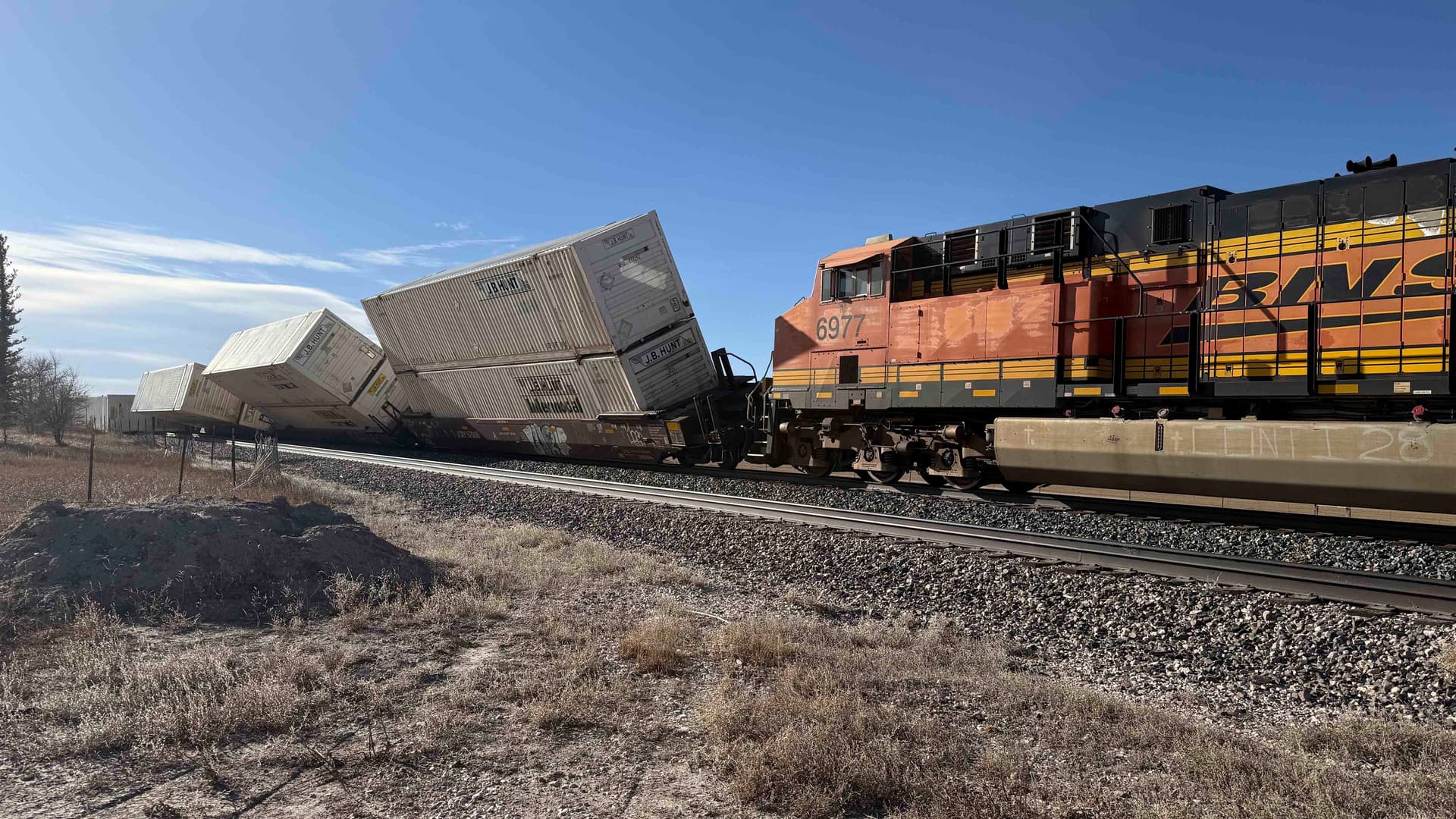
A BNSF freight train derailed early on December 19 northwest of Cheyenne, leaving multiple intermodal cars and dozens of shipping containers off the tracks in a notoriously windy corridor between Cheyenne and Laramie. Neighbors and security camera photos showed numerous intermodal cars overturned or leaning beside the right of way. Authorities have not released an official cause as of this week, and railroad and emergency crews remained on scene to assess damage and remove cars.
The derailment followed several days of extreme winds across the region. Meteorologists reported sustained winds in that corridor between 50 and 78 mph at times, and local residents described the conditions as "the worst" they had seen. Those wind speeds are significant because rail operators maintain wind safety protocols, and high profile double stacked intermodal cars are especially vulnerable to extreme gusts. Railroad crews will investigate whether weather was a contributing factor alongside other operational considerations.
For Albany County the incident matters for several reasons. The Cheyenne Laramie corridor is an important rail link for goods moving through southern Wyoming and onward to regional markets. Disruptions can delay intermodal shipments that local retailers and manufacturers depend on, and prolonged congestion on the rail network can raise freight costs and slow the arrival of inputs and consumer goods. During the winter shipping season any rerouting or slow order can ripple into longer lead times and tighter inventories for businesses in Laramie and surrounding communities.
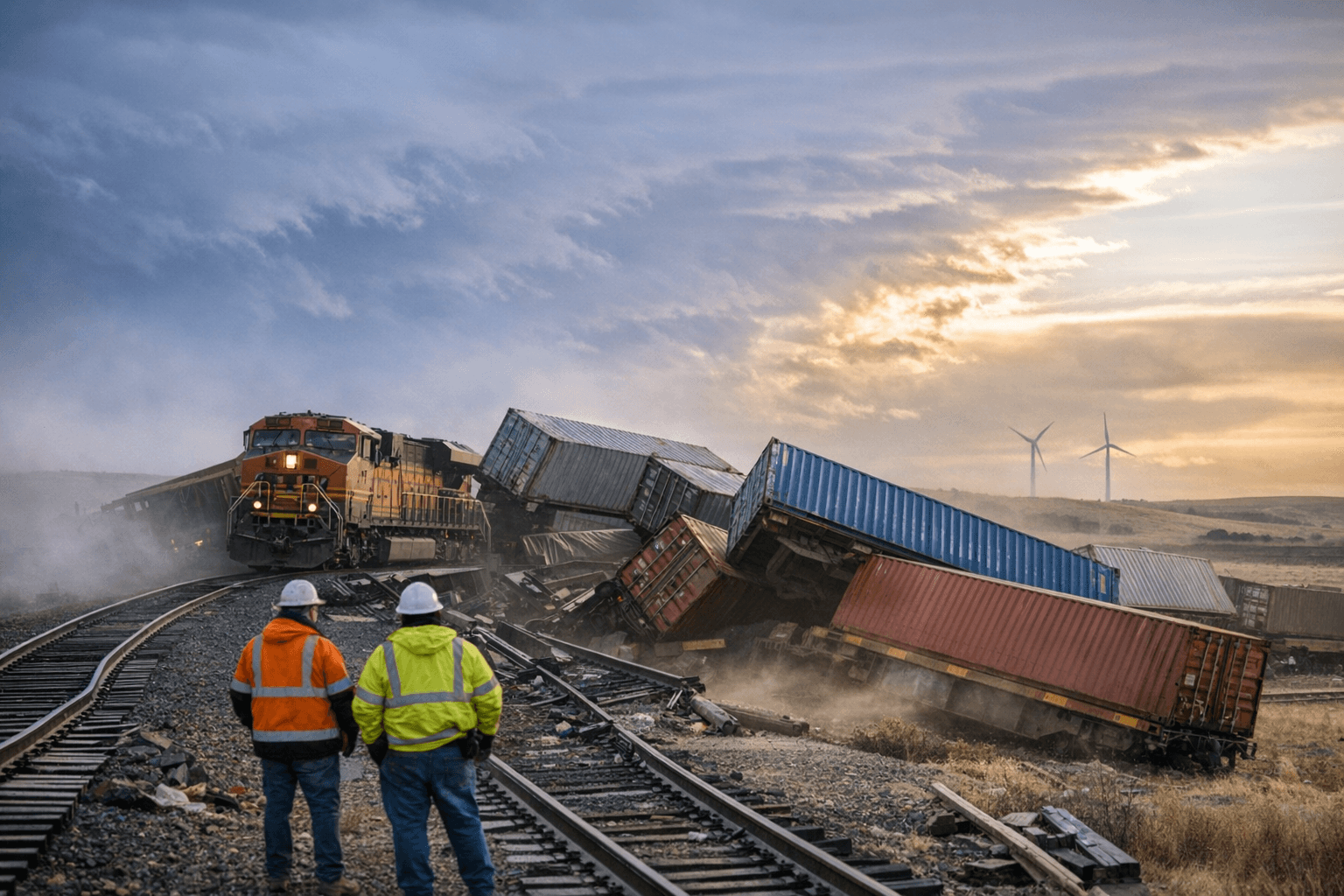
Emergency response focused on clearing cars and securing the site, with crews working to restore safe movement on the line. BNSF and local responders will need to complete inspections and repairs before regular service resumes. Residents should expect possible changes to delivery schedules and remain aware of cleanup activity near the tracks.
Longer term, the derailment underscores how extreme weather can intersect with transportation infrastructure vulnerability. As climate related storm intensity increases across parts of the West, regional planners and rail operators may face more frequent decisions about operational limits, route resilience, and community preparedness to reduce economic disruptions when similar events occur.
This article was produced by Prism’s automated news system from verified source data, official records, and press releases, then run through automated quality and moderation checks before publishing. The system is built and supervised by the people who set the standards it runs under. Read our full AI policy.
Did this article answer your question?