UW grants boost 10 graduate research projects, science outreach
UW gave 10 graduate students more than $36,000, including projects on Wyoming mussels and beaver dam analogs. The grants also require public outreach in Laramie.
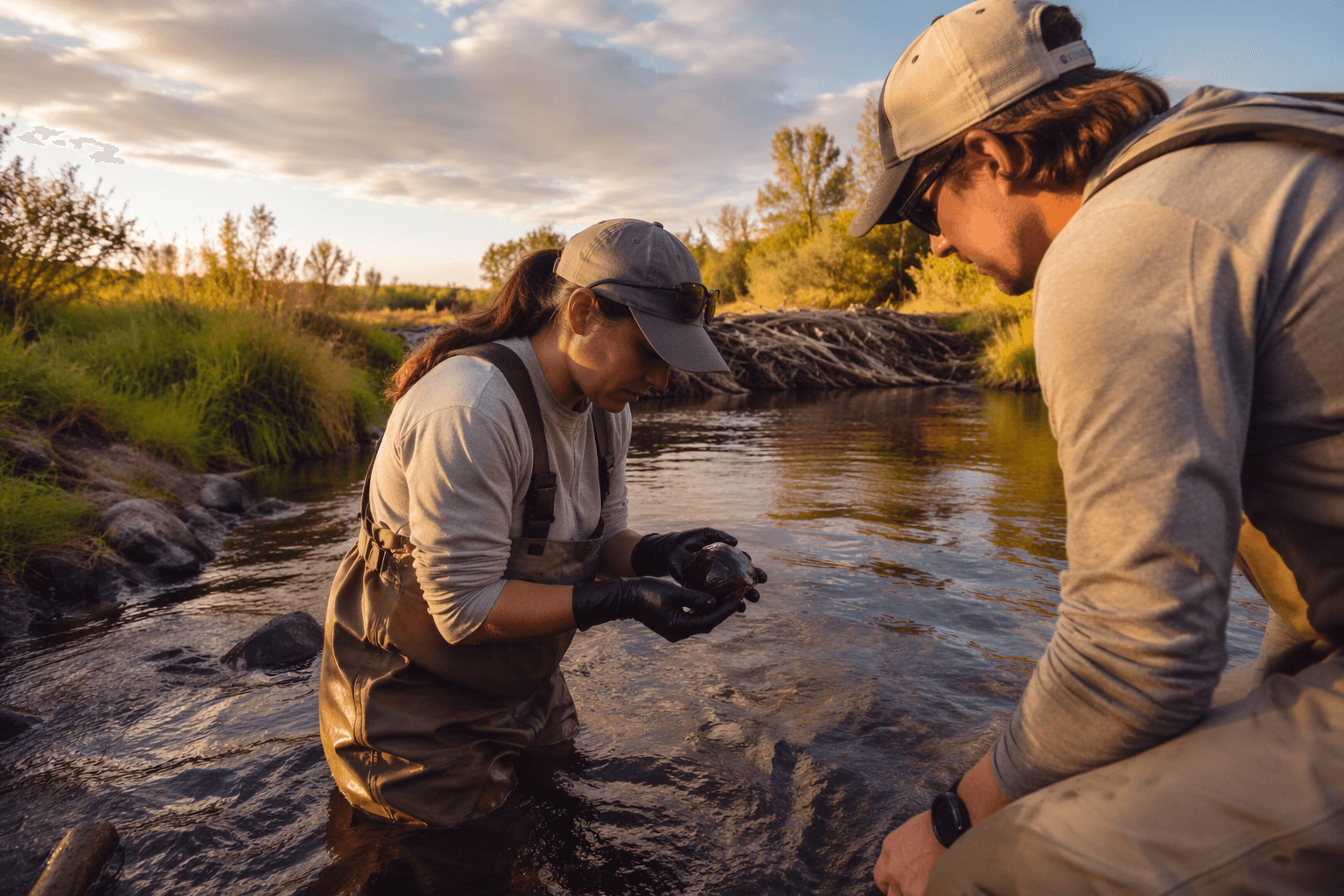
Some of the newest University of Wyoming research money is aimed at questions that could matter close to home, including freshwater mussels in Wyoming and wildlife use of beaver dam analogs. The Biodiversity Institute said 10 master’s and Ph.D. students received more than $36,000 in graduate research support, but the local significance for Albany County is not just the size of the award. It is whether work done in Laramie turns into information that can help explain what is happening in nearby water, wildlife and public lands.
The projects stretch beyond Wyoming, including white-nose syndrome in bats in South Dakota and the effects of protection gradients on large herbivores in Zambia. That mix shows how UW’s research footprint reaches far past Albany County, even as the program itself remains rooted on campus. The institute says its mission is to foster understanding, appreciation and conservation of biological diversity through research, outreach and community science, which is why the grant program is built to push students out of the lab and into public-facing communication.
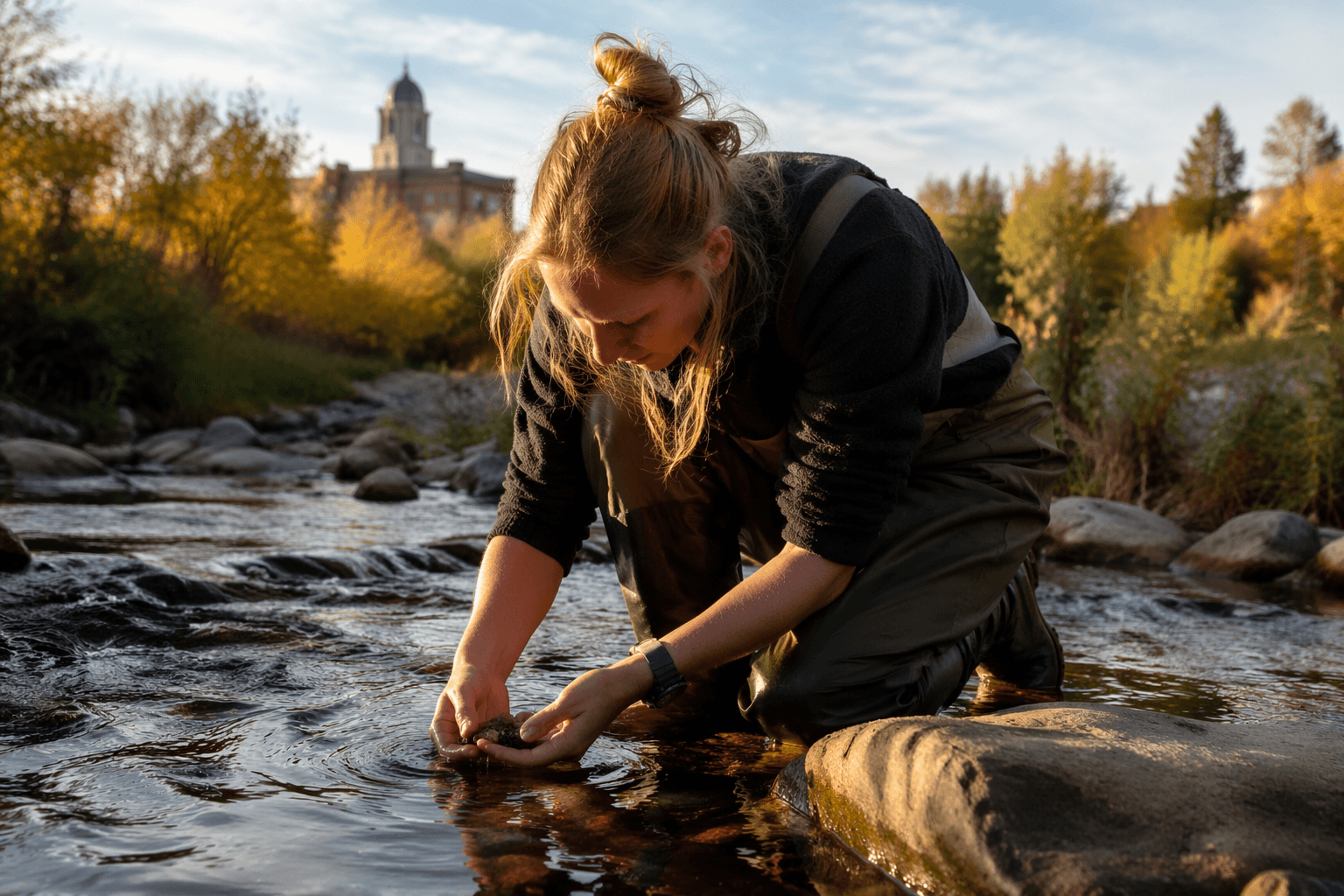
Awardees must present their work at a Biodiversity Institute Science Café and either volunteer at a BI-sponsored outreach event or create their own community engagement activity. They also must attend science communication training tentatively scheduled for Nov. 3-4, 2026, from 6 to 8 p.m. Funding runs from May 1, 2026, to Aug. 31, 2027, or until graduation, whichever comes first. For a county where the university is one of the major employers and a steady source of public science programming, the requirement matters: these grants are designed to produce more than dissertations. They are supposed to produce better explanations for Wyoming audiences.
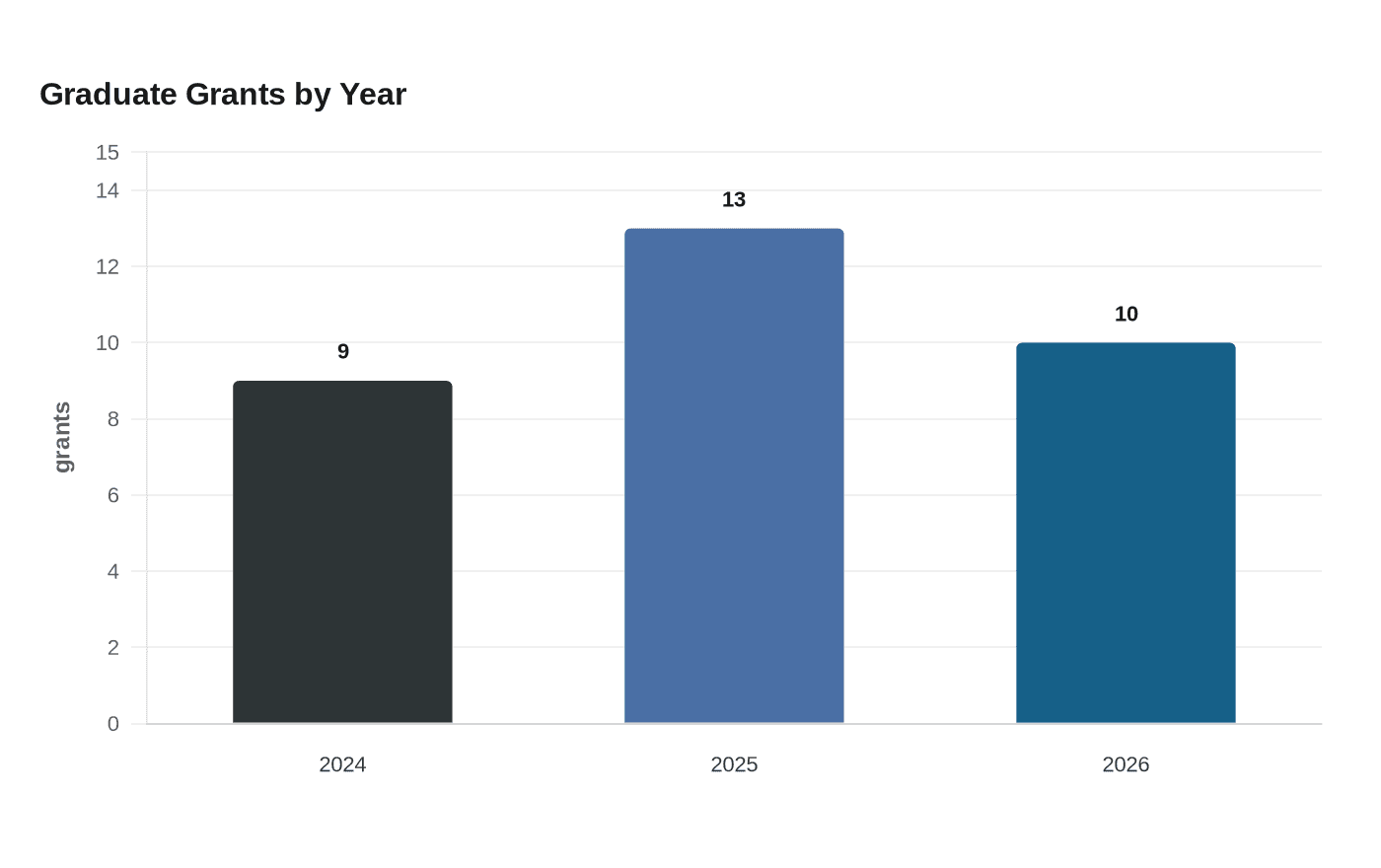
The emphasis on outreach reflects a broader pattern. In 2025, the institute gave 13 students $47,500, and over the prior 13 years it said it had awarded more than 80 grants totaling nearly $200,000. Its 2024 annual report said the institute funded nine graduate grants, hosted 46 public events in eight Wyoming communities and reached more than 3,800 people in person. The 2026 announcement updated the long-term tally to more than 90 grants totaling over $240,000 in 14 years, underscoring a sustained donor-backed program rather than a one-off burst of campus funding.
One of this year’s recipients, Renee Lile, said the award will help her finish final-year dissertation analysis on how white-nose syndrome has reshaped bat communities in the Black Hills of South Dakota and how surviving bats interact with the parasites they carry. Her grant will pay for a part-time research technician and help cover publication and open-data-sharing costs. That is the kind of detail that determines whether a university grant stays inside an academic silo or returns usable findings to the public, where Albany County has long expected its research university to do both.
This article was produced by Prism’s automated news system from verified source data, official records, and press releases, then run through automated quality and moderation checks before publishing. The system is built and supervised by the people who set the standards it runs under. Read our full AI policy.
Did this article answer your question?