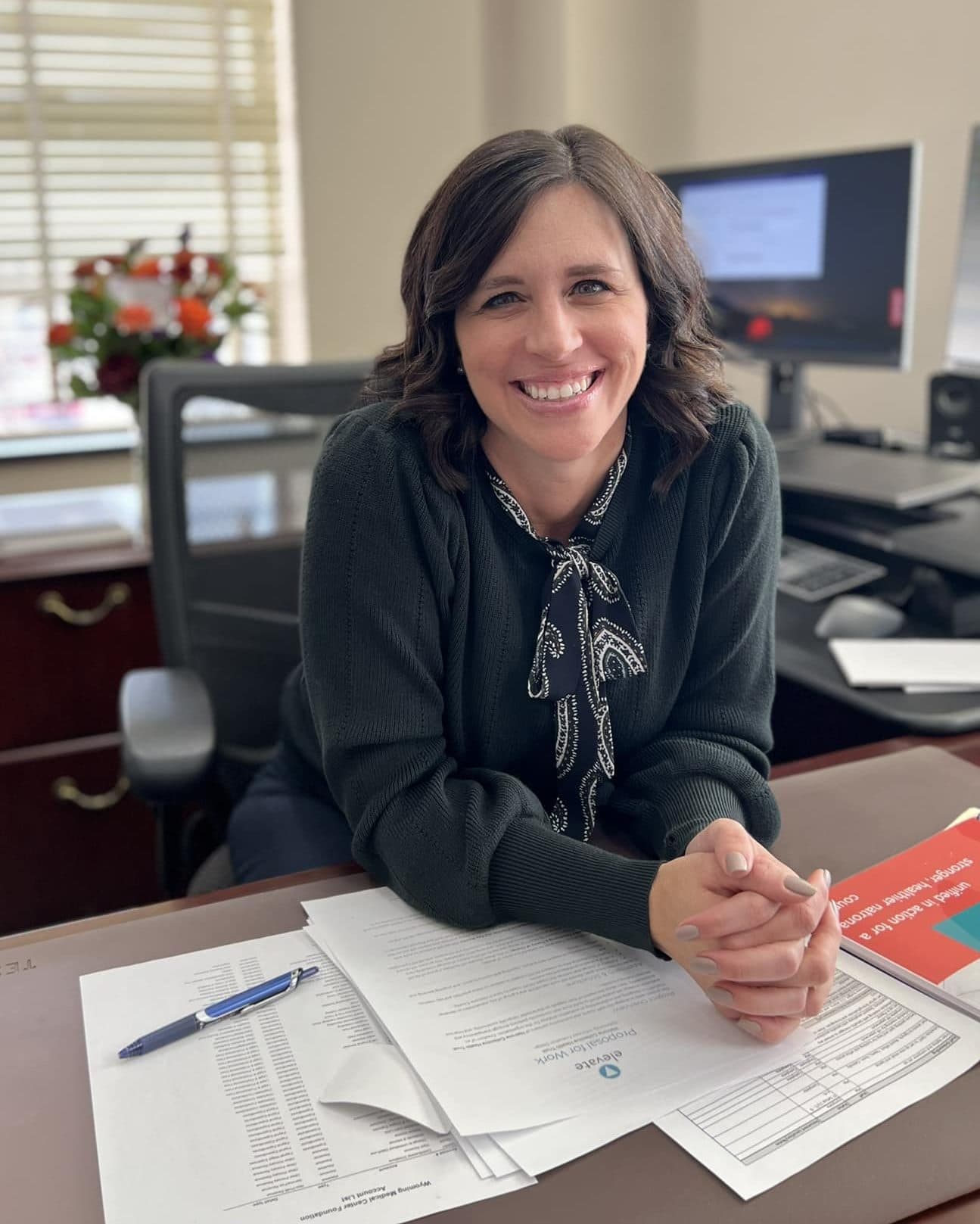
UW researcher studies “cancer ghosting” and its toll on patients
UW nursing researcher Jennifer Stephens says cancer ghosting can mean friends and family disappear after a diagnosis, leaving patients lonelier just when treatment gets hardest.
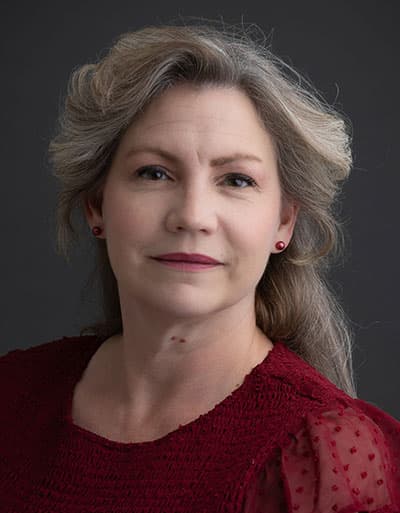
A cancer diagnosis can bring more than lab work and appointments. For some patients in Laramie and across Albany County, it also brings silence, unanswered texts and the sudden loss of people who once promised to stay close.
Jennifer Stephens, an associate professor in the University of Wyoming’s Fay W. Whitney School of Nursing, is studying that pattern under a name many patients have never heard before: cancer ghosting. UW defines it as the sudden and deliberate ending of a relationship with someone diagnosed with cancer, whether it happens face to face or on social media. Stephens recently presented the work at the Association for Netnographic Research, a nonprofit that UW says is dedicated to advancing netnographic research globally.

Her presentation, “Using Netnography in Nursing Research: The Example of Cancer Ghosting,” focused on how the method can help health professionals understand a social abandonment that can intensify the emotional, physical and mental strain of cancer care. The project included Carlos Garcia, a first-year student in the Wyoming WWAMI Medical Education Program from Wheatland, and Jenifer Thomas, a nursing professor and co-investigator. UW says an earlier presentation at the Oncology Nursing Society Congress in 2025 helped define the phenomenon and raise awareness among oncology professionals.
Stephens said her interest began in 2023, while she was interviewing patients for an ocular melanoma study. She has worked in oncology nursing for more than 25 years, giving her a close view of how quickly a diagnosis can reshape a person’s support system. The team’s publication listing shows the paper, “Cancer ghosting: A netnographic exploration of the oncology patient experience,” was accepted Aug. 24, 2025. The work was also tied to an American Cancer Society Research Scholar Grant request for $40,000.
The concern is not just academic. The American Cancer Society says loneliness and social isolation are common during and after treatment. In an ACS CAN survey of 1,155 cancer patients and survivors, more than half said they experienced some aspect of social isolation, and 31% said they felt lonely very or somewhat often. ACS later reported that cancer survivors who felt lonelier had a higher mortality risk than those reporting low or no loneliness.
Experts say ghosting often grows out of stigma, discomfort or not knowing how to help. In Albany County, that makes local cancer care and counseling support especially important when social circles shrink, including at Ivinson Memorial Hospital and the Meredith and Jeannie Ray Cancer Center in Laramie. UW says phase 2 of Stephens’ study is now using short digitally recorded interviews with cancer patients about specific ghosting incidents, with the goal of guiding assessments, referrals and treatments. For patients cut off after a diagnosis, that could mean care plans that recognize loneliness as part of the illness, not an afterthought.
This article was produced by Prism’s automated news system from verified source data, official records, and press releases, then run through automated quality and moderation checks before publishing. The system is built and supervised by the people who set the standards it runs under. Read our full AI policy.
Did this article answer your question?