Winter Gusts and Mixed Precipitation Strain Albany County Travel
New Year’s Day brought mostly cloudy, breezy conditions across Albany County with a slight chance of snow and rain, gusts reaching 30 to 40 mph, and temperatures ranging from the 20s to the 40s. The weather created localized travel and safety challenges across southeast Wyoming and the Snowy Range, underscoring risks for people with limited resources and those reliant on road access to health care.
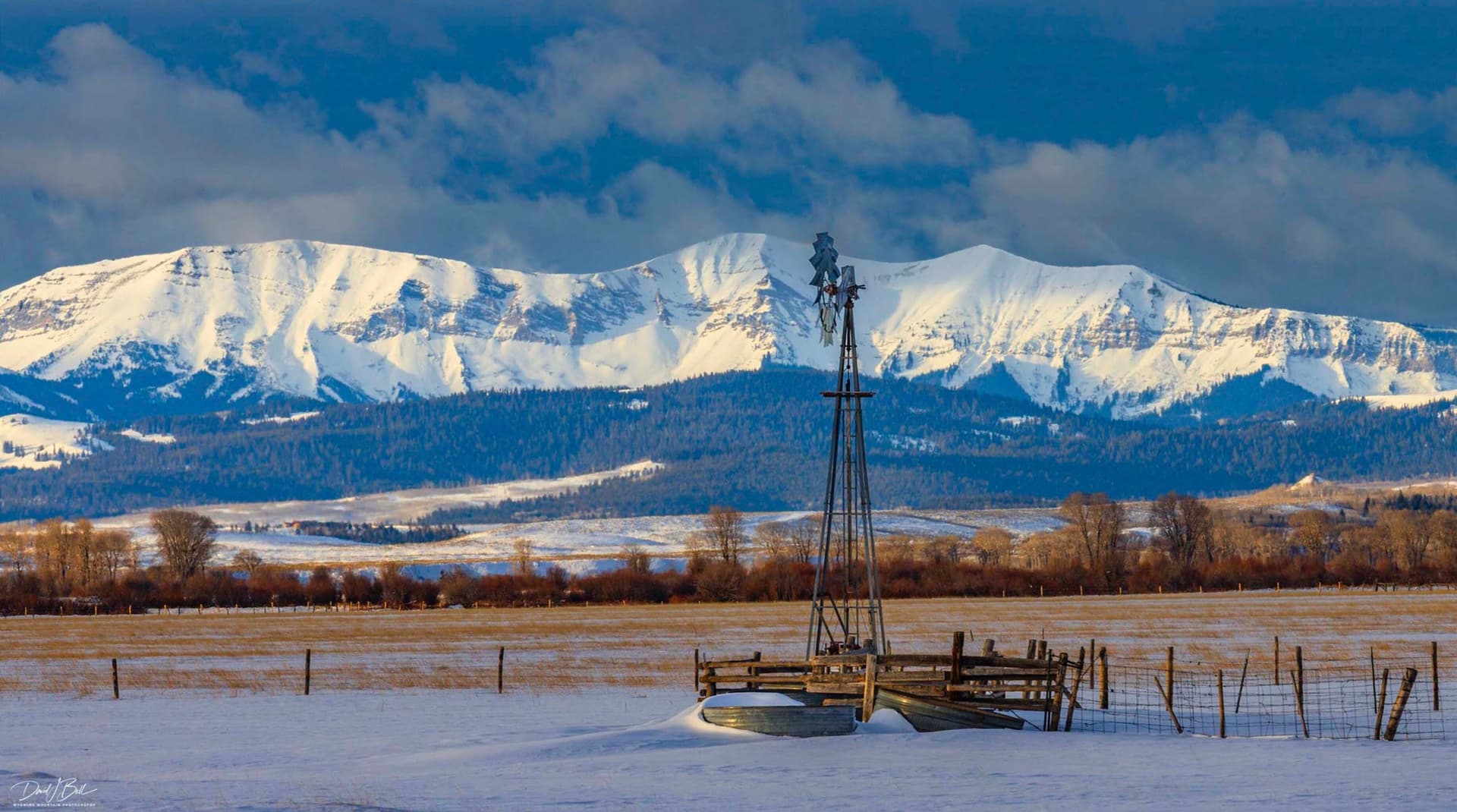
New Year’s Day delivered a mix of rain and light snow across Albany County, producing mostly cloudy skies, strong breezes and gusts that reached roughly 30 to 40 miles per hour at times. Lows dropped into the 20s and 30s, while daytime highs varied into the 40s depending on elevation and exposure, a pattern that left roads wet in lower areas and slick or blowing in higher terrain.
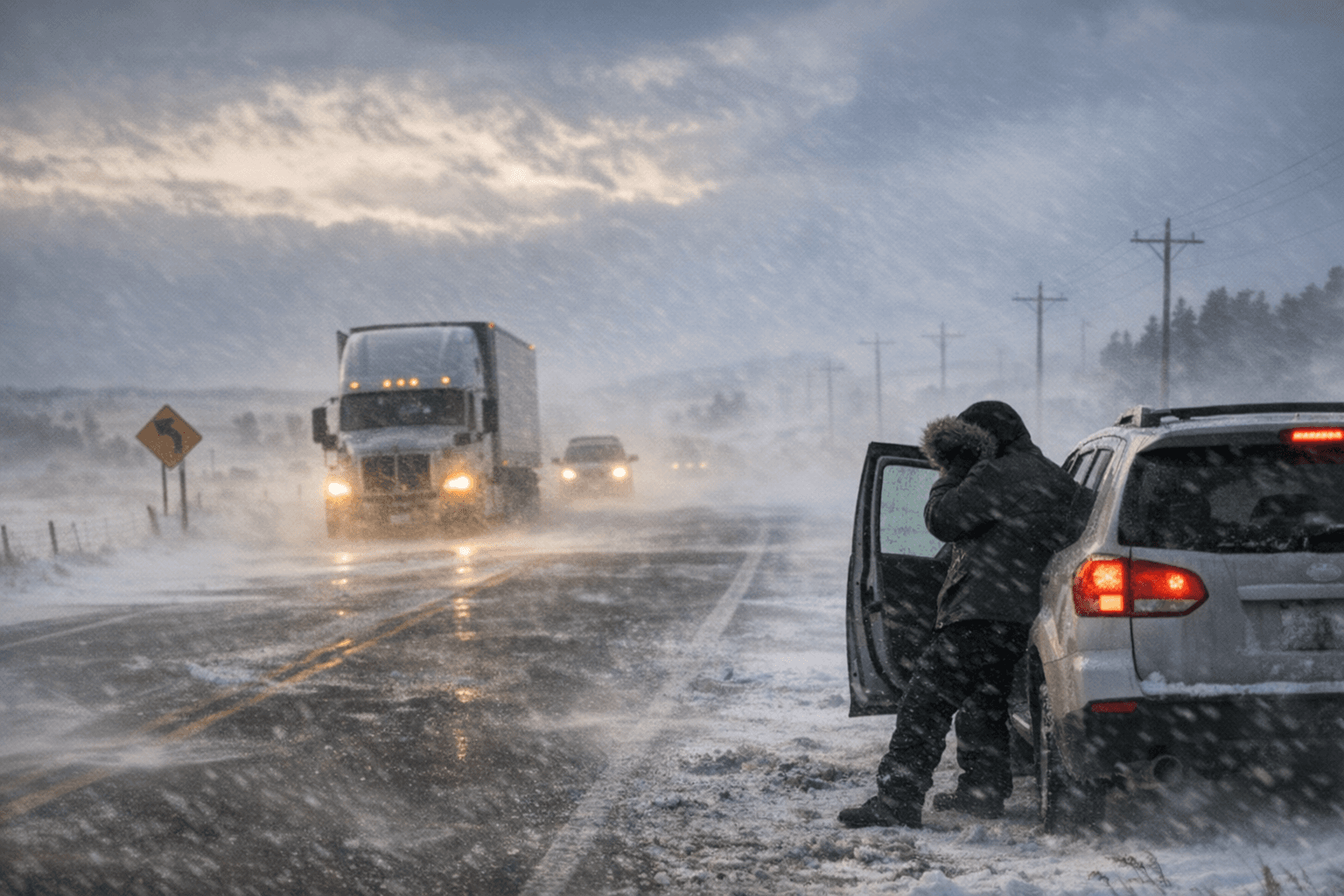
Travel and safety concerns were concentrated in the Snowy Range and southeast Wyoming corridors that connect Laramie with surrounding rural communities. Reduced visibility from blowing snow at higher elevations and wet, icy patches on lower-elevation roadways increased the risk of collisions and delays. Motorists who traveled county and mountain roads reported slower trips and occasional pullovers to wait for safer conditions, and local transportation crews prioritized plowing and sanding on passes and main arteries.
These weather conditions carry direct public health implications. Cold, damp air and sudden gusts raise the risk of falls and hypothermia for older adults and people experiencing homelessness, while power outages or heating failures can rapidly endanger residents who rely on electricity for medical devices or warmth. Rural residents with limited transportation options faced heightened barriers to accessing primary care, dialysis, medication refills and urgent medical services when roads were hazardous.
The event also highlighted equity issues in emergency preparedness. Households with limited income are more likely to postpone repairs to heating systems, to live in housing with poor insulation, or to lack emergency transportation. That compounds health vulnerabilities during winter weather and places additional strain on emergency medical services and clinics that may see increases in weather-related injuries and exacerbations of chronic conditions.
Local public health partners and service groups have long noted the need for targeted outreach during winter weather: checking on older neighbors and people who live alone, ensuring at-risk residents have a way to stay warm if power fails, and allowing extra time for medical appointments when roads are marginal. For policymakers, the pattern points to ongoing needs: sustained investment in road maintenance and emergency response capacity for mountain corridors, expanded access to home-heating assistance, and coordinated plans to keep vulnerable residents connected to care during short-notice weather events.
As Albany County moves through winter, the New Year’s conditions serve as a reminder that even relatively modest storms can disproportionately impact people with the fewest resources and greatest health needs, and that seasonal preparedness remains a public health priority.
This article was produced by Prism’s automated news system from verified source data, official records, and press releases, then run through automated quality and moderation checks before publishing. The system is built and supervised by the people who set the standards it runs under. Read our full AI policy.
Did this article answer your question?