Winter Storm Warning Hit Mountains, Travel Disruptions Across County
The National Weather Service office in Cheyenne issued watches and warnings on December 26 as two cold fronts impacted southeast Wyoming from December 26 through December 28, producing heavy mountain snow and windy conditions in Laramie. The upgraded Winter Storm Warning for the Sierra Madre and Snowy Range, along with Winter Weather Advisories for lower elevations, produced travel disruptions on Interstate 80 and underscored the need for continued attention to road conditions and emergency preparedness.
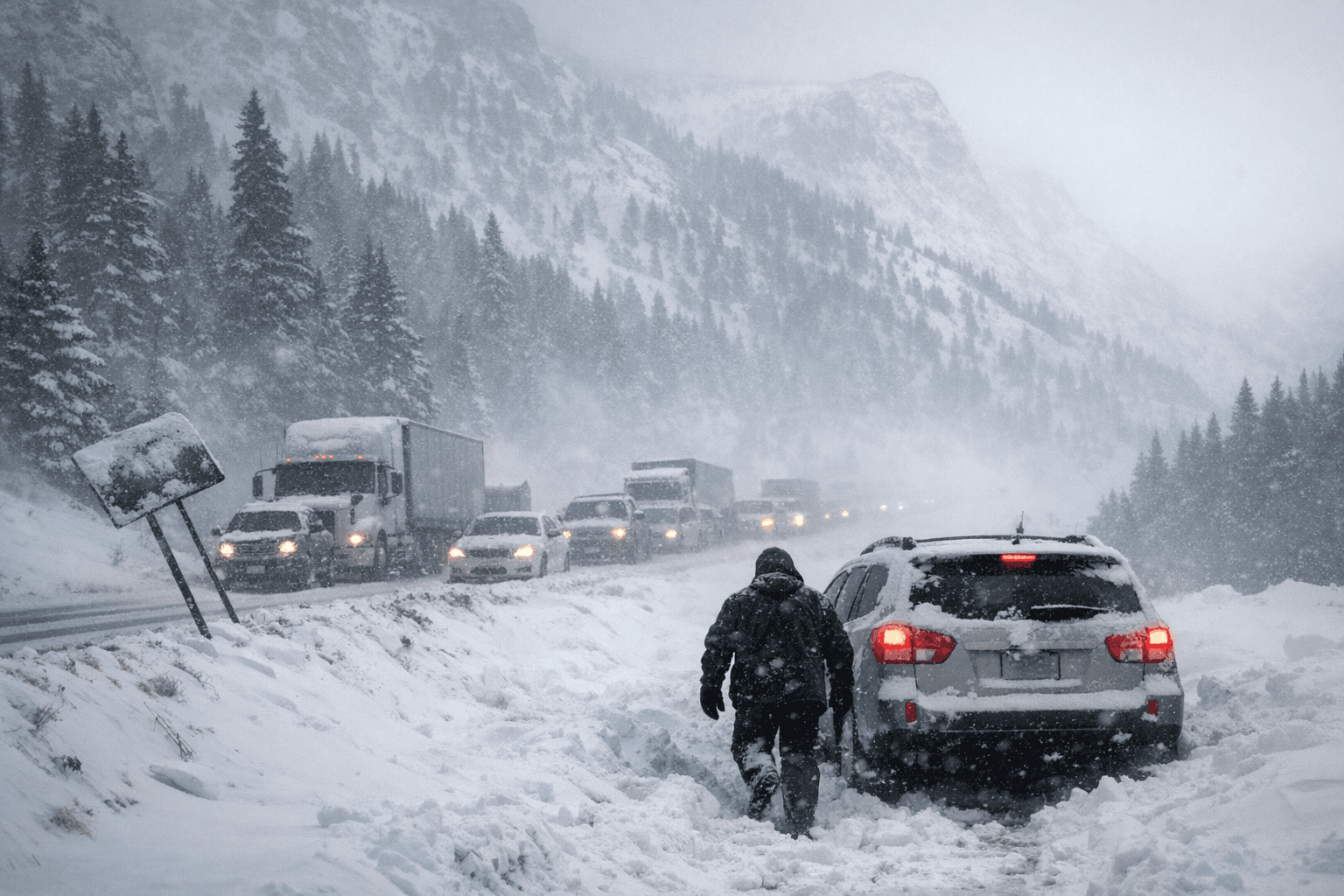
On December 26 the National Weather Service office in Cheyenne upgraded alerts for southeast Wyoming as two cold fronts moved through the region over a three day period. The most serious alert was a Winter Storm Warning for the Sierra Madre and Snowy Range mountains where forecasters expected 12 to 18 inches of new snow with the possibility of 20 or more inches at the highest peaks. Adjacent lower elevation areas were placed under Winter Weather Advisories with lighter accumulations forecast, including localized amounts of 6 to 10 inches in some Snowy Range zones and 2 to 5 inches across nearby plains and main travel corridors.
Laramie and other communities in Albany County experienced sustained winds with gusts and a chance of light snow showers. Forecasters warned that travel across Interstate 80 through mountain passes could be impacted by blowing snow and lower visibility. Recreational visitors to high elevation terrain were advised to prepare for deep snow and hazardous conditions, a reminder of the seasonal risks associated with backcountry access in this county.
The sequence of warnings highlights the distinct roles of local and state institutions during severe weather. The National Weather Service provides the meteorological guidance that triggers action, while the Wyoming Department of Transportation is responsible for monitoring and reporting road conditions along critical corridors such as Interstate 80. Albany County emergency management and first responders are tasked with coordinating local response and public messaging. The event underscores policy choices about investments in snow removal capacity, winter road maintenance, and public notification systems that influence how effectively communities cope with rapid onset storms.
For residents the immediate implications were practical. Motorists were advised to check Wyoming Department of Transportation road conditions before travel and to carry emergency supplies for winter travel. For civic engagement the storm serves as a prompt to raise questions with county and state officials about preparedness, response times, and long term funding for winter infrastructure. Severe weather remains a routine stress test of public institutions, and accountability in planning and resourcing determines whether communities stay safe and mobile during future events.
This article was produced by Prism’s automated news system from verified source data, official records, and press releases, then run through automated quality and moderation checks before publishing. The system is built and supervised by the people who set the standards it runs under. Read our full AI policy.
Did this article answer your question?