Wyoming Scholarship Program Targets Rural Vet Shortage in Nine Counties
Wyoming lawmakers added roughly $550,000 to the state budget to bring veterinarians to rural counties, with Albany County among nine targeted areas facing a food-animal shortage.
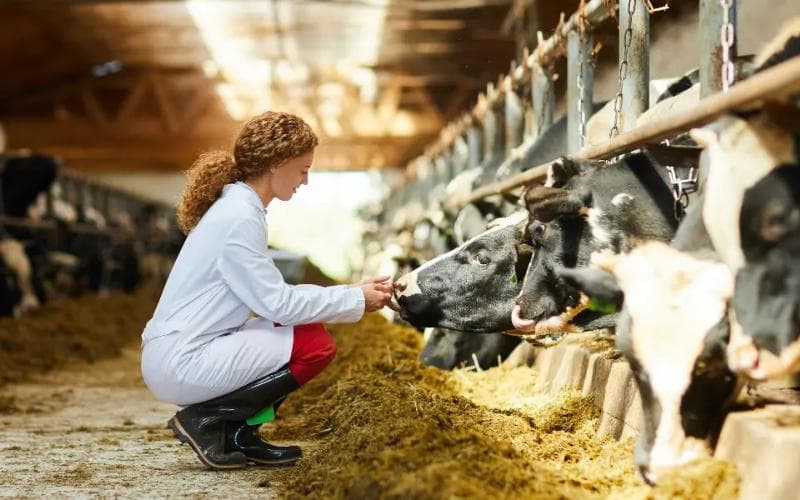
Wyoming lawmakers allocated roughly $550,000 in the state budget this session to address a shortage of food-animal veterinarians, naming Albany County among nine targeted counties where rural veterinary care has grown critically thin.
The program is designed to recruit veterinary students with the expectation that graduates will likely be required to return to Wyoming and work for four years, primarily in large animal practice. The funding represents a direct legislative response to both a national and local shortage of food-animal veterinarians, a gap that has left ranching communities across the state with limited options for large animal care.
Bloomquist, who has tracked Wyoming's veterinary workforce challenges, said the new program should outperform existing incentive structures. "They're really focused on the business of rural veterinary medicine, the culture of the small communities and practicing large animal medicine," she said, adding that the program will target the large animal, rural veterinarian issue better than current incentives.
The University of Wyoming does not have its own veterinary school. It currently participates in the Western Interstate Commission for Higher Education, through which around five students each year receive in-state tuition rates to attend Colorado State University, Oregon State University, or Washington State University. Kansas State University and Utah State University have also been identified as key partners in Wyoming's veterinary training pipeline.
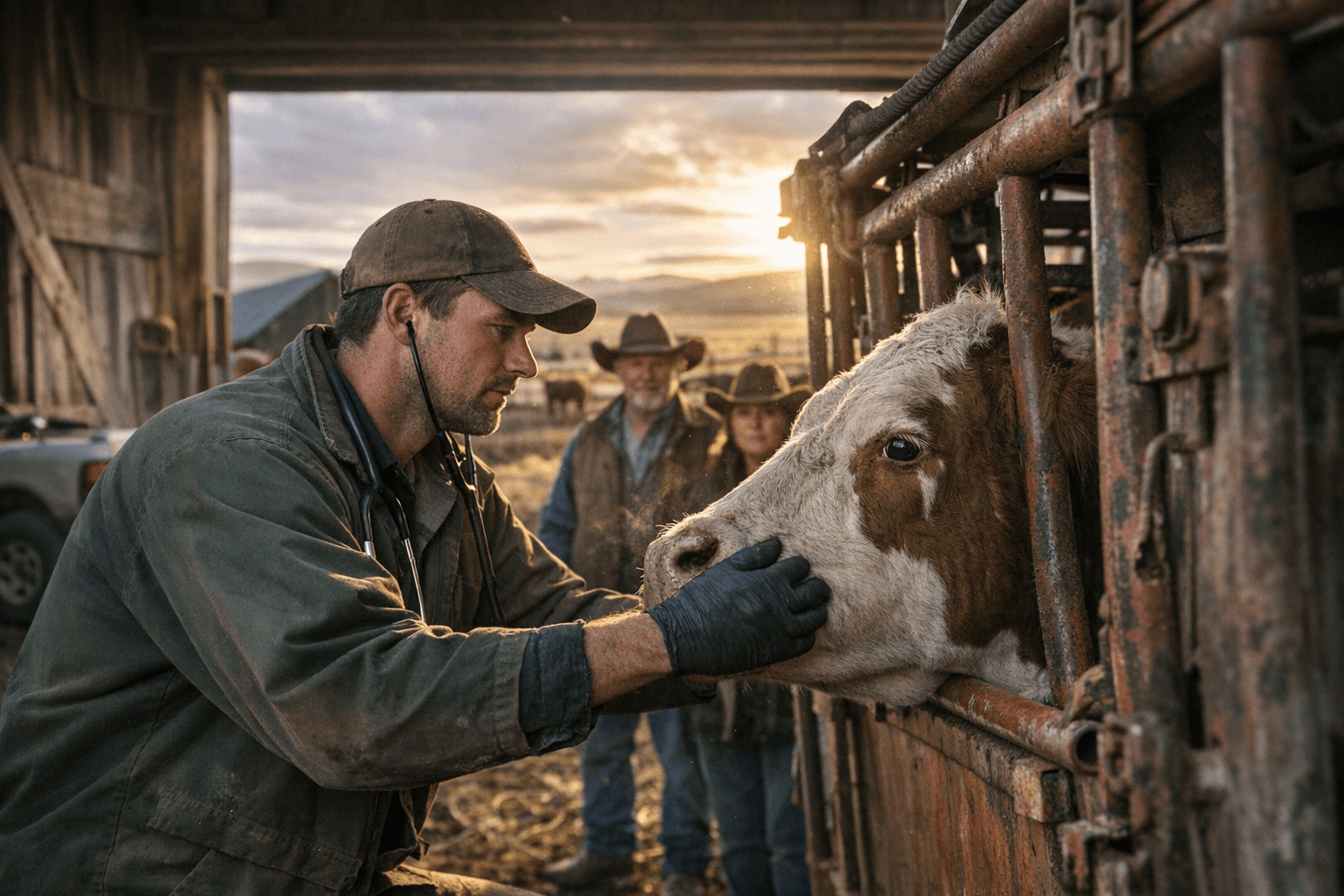
The new funding sits inside Wyoming's two-year budget, which means the Legislature would need to include specific language in the 2028 budget cycle for the program to continue beyond its initial window. Without that action, the scholarships would lapse at the end of the current budget period.
Several details of the program's structure remain unsettled. The full list of nine targeted counties has not been publicly enumerated, and the breakdown of how the $550,000 will be distributed, whether through scholarships, loan repayment, or tuition subsidies, has not been specified. The four-year service obligation is also described in conditional terms, suggesting the final program rules may still be taking shape.
For Albany County, which sits in a region where cattle and horse operations depend heavily on access to large animal veterinarians, the program's eventual design will determine whether the funding translates into practitioners on the ground.
This article was produced by Prism’s automated news system from verified source data, official records, and press releases, then run through automated quality and moderation checks before publishing. The system is built and supervised by the people who set the standards it runs under. Read our full AI policy.
Did this article answer your question?
