Wyoming's 2025 Wildfire Season Raises Local Planning Questions
Wyoming experienced an above-average wildfire year in 2025, with more than 1,600 fires burning roughly 250,000 acres statewide. For Albany County residents and officials, the season's patterns, resource strains, and proposed mitigation lessons carry direct implications for emergency planning, grazing and recreation management, and local budget priorities.
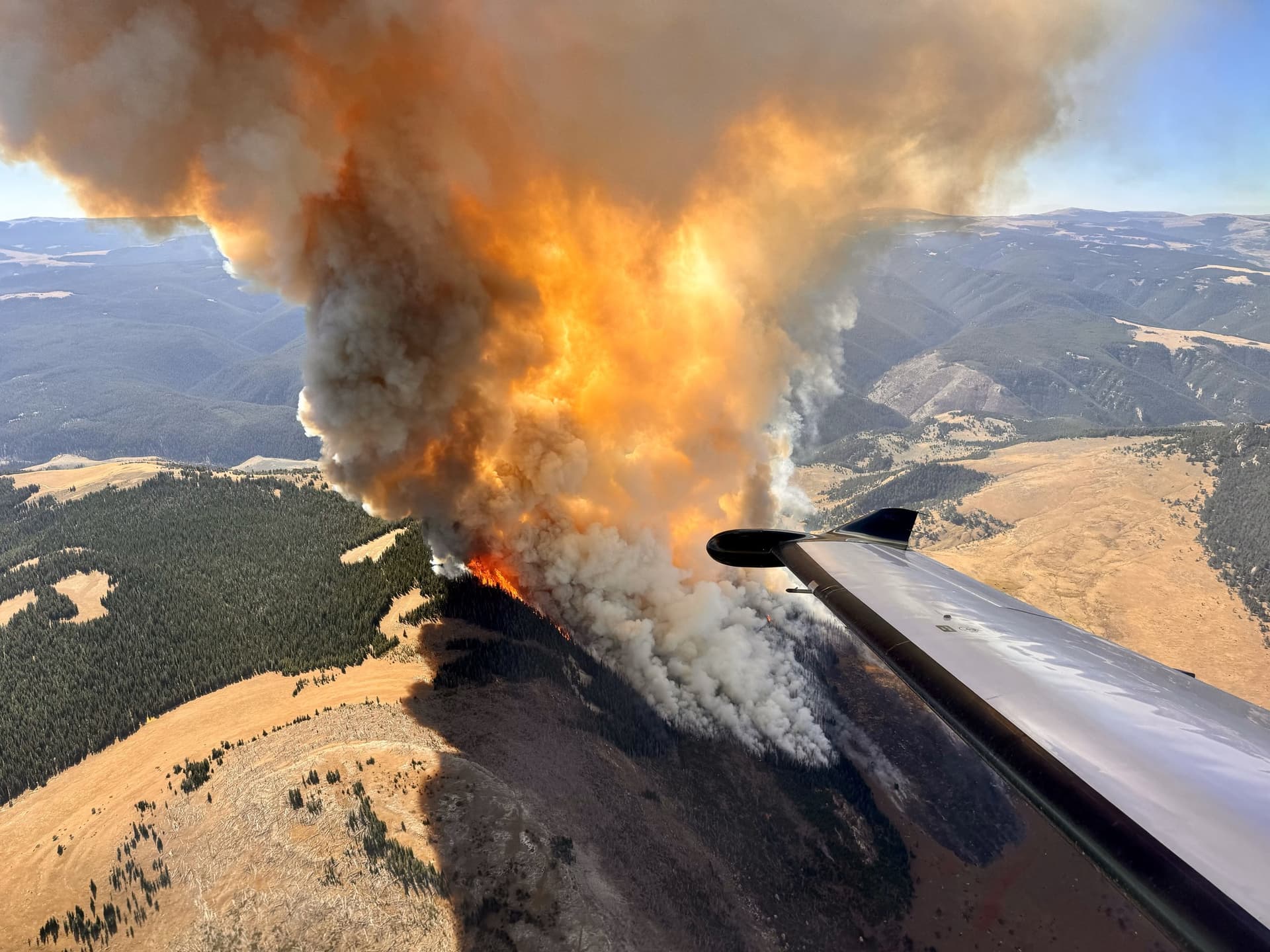
Statewide wildfire tallies for 2025 showed an unusually active season, driven by a higher-than-normal number of ignitions and amplified by persistent drought and extreme wind events. The combination produced rapid growth in multiple incidents, and late-season fire behavior in some regions expanded fire footprints well beyond initial estimates. State and federal incident reporting identified roughly 1,600 fires that together burned about 250,000 acres across Wyoming.
Responding agencies relied heavily on interagency suppression coordination and aerial resources to protect communities, infrastructure and critical grazing allotments. Those responses exposed capacity limits: firefighters, aircraft and prepositioned resources were stretched in periods of synchronous activity. The pattern underscored a familiar policy tradeoff for 2026 planning, balancing investments in on-the-ground fuel reduction and forest health with funding to sustain rapid-response suppression and mutual-aid arrangements.
For Albany County, the statewide totals did not single out a large recent fire within county boundaries, but the season’s dynamics remain locally consequential. Smoke events affected air quality on episodic days, seasonal closures and trail restrictions disrupted recreation revenue, and grazing operations across the region reported indirect impacts from fire activity on adjacent allotments. Infrastructure vulnerability, from secondary roads used for evacuations to water supply points important for firefighting, surfaced as a planning priority during the season.
Institutional analysis points to several areas where county leaders can act before the next fire season. First, formalizing mutual-aid prepositioning with state and neighboring counties can reduce response times during extreme wind events when fires can spread quickly. Second, targeted fuel reduction projects on high-risk parcels and along critical access corridors will reduce the likelihood of fast-moving fires that threaten homes and infrastructure. Third, transparent budgeting for emergency preparedness, including pursuing state and federal grant funding, and aligning county capital planning with mitigation priorities, is necessary to address the resource constraints revealed in 2025.
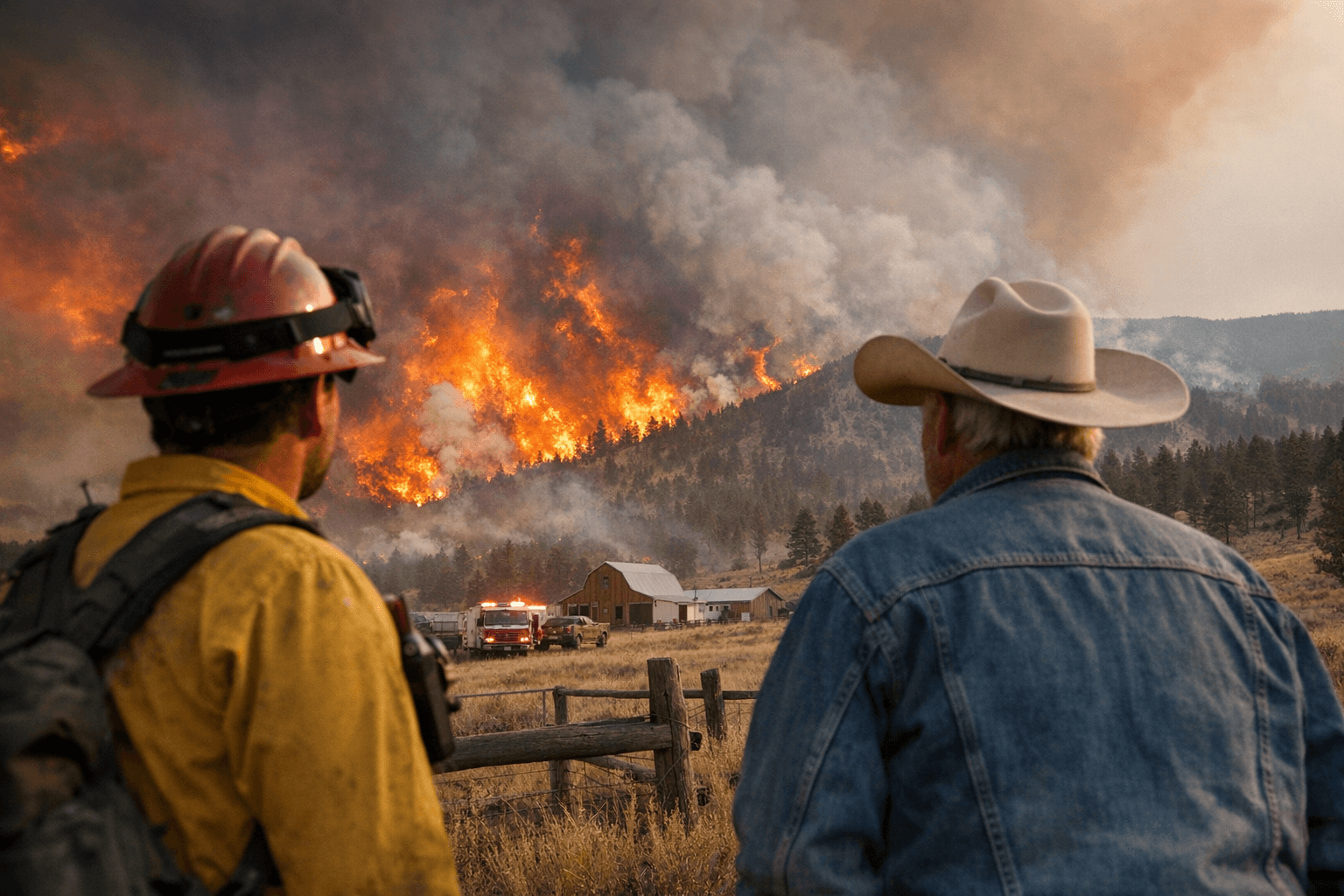
Civic engagement will shape how these policy choices move forward. County commissioners, fire districts and land managers will decide allocation and project prioritization; residents who attend public meetings, participate in community wildfire protection planning, and vote in local and state elections influence those decisions. Practical steps for households include updating evacuation plans and subscribing to local emergency alerts; for the broader community, supporting sustained funding for mitigation, preparedness and interagency coordination will strengthen resilience.
The 2025 season offered clear lessons about the intersection of climate drivers, ignition trends and institutional capacity. Albany County officials and voters will face near-term choices about whether to prioritize fuel treatments, enhance mutual-aid agreements, or redirect budgetary resources, choices that will determine how prepared the county is for future wildfire seasons.
This article was produced by Prism’s automated news system from verified source data, official records, and press releases, then run through automated quality and moderation checks before publishing. The system is built and supervised by the people who set the standards it runs under. Read our full AI policy.
Did this article answer your question?
