Allendale County brings Revolutionary War history home with month-long series
A month-long Revolutionary War series turned Allendale’s history into a local experience, with USC Salkehatchie exhibits, student learning, and a plan to do it again in 2026.
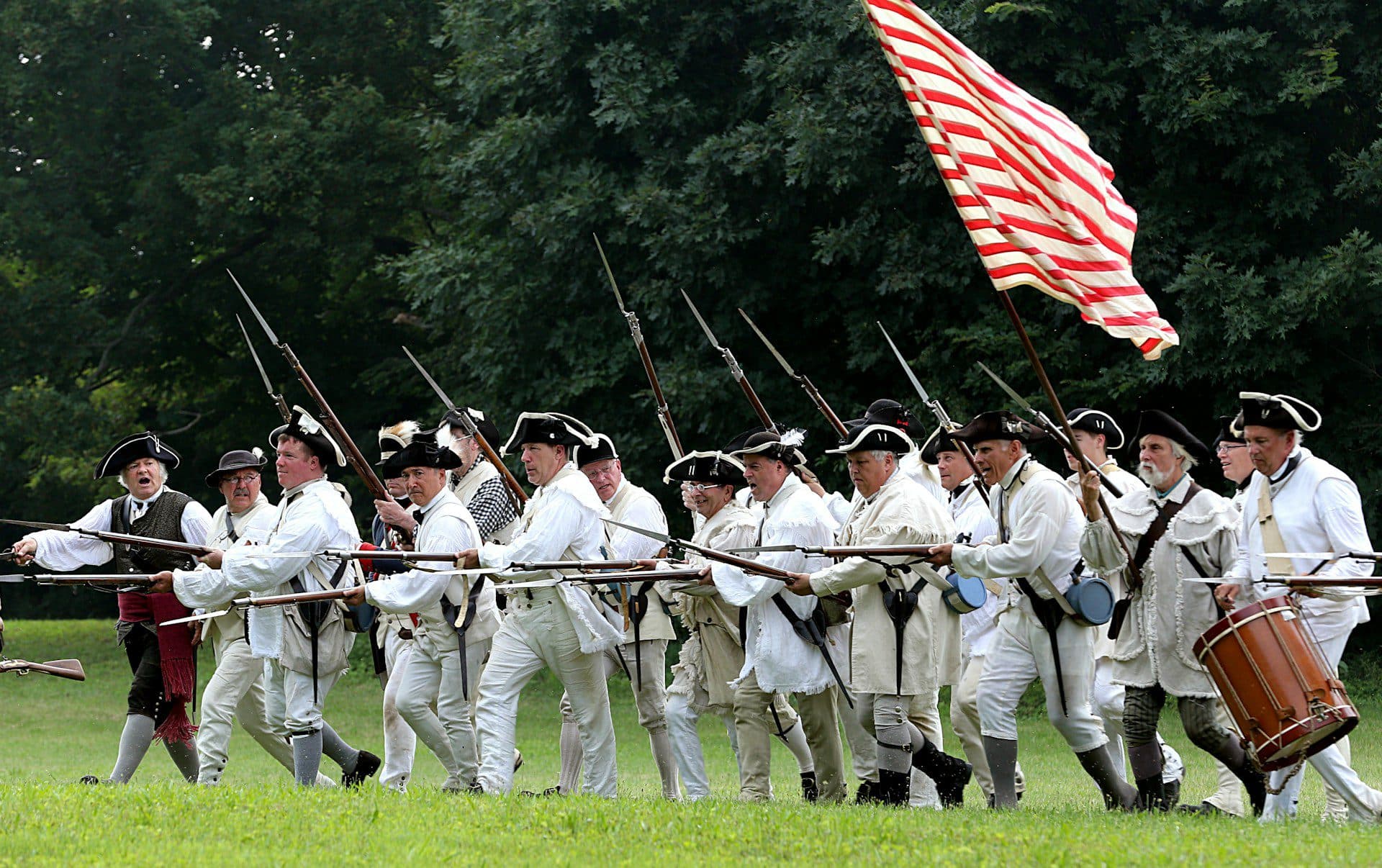
Allendale County’s Revolutionary War story is not being left in textbooks or museum cases. A local historical society, a countywide committee, and USC Salkehatchie have been working to make that past visible in the places where residents already live, learn, and gather.
History that stays in the county
The Allendale County Historical Society, founded in 2005, says its mission is to preserve the places, stories, and culture unique to Allendale. That work is practical as much as it is interpretive: the group says a board of eight residents guides its efforts, including restoring historical markers around the county and building a comprehensive list of cemeteries.
Those projects matter because they keep local memory from fading between anniversaries. Markers, graveyards, and documented family sites give teachers, students, and longtime residents concrete places to connect with the county’s past instead of treating Revolutionary War history as something that happened somewhere else in South Carolina.
A month-long series at USC Salkehatchie
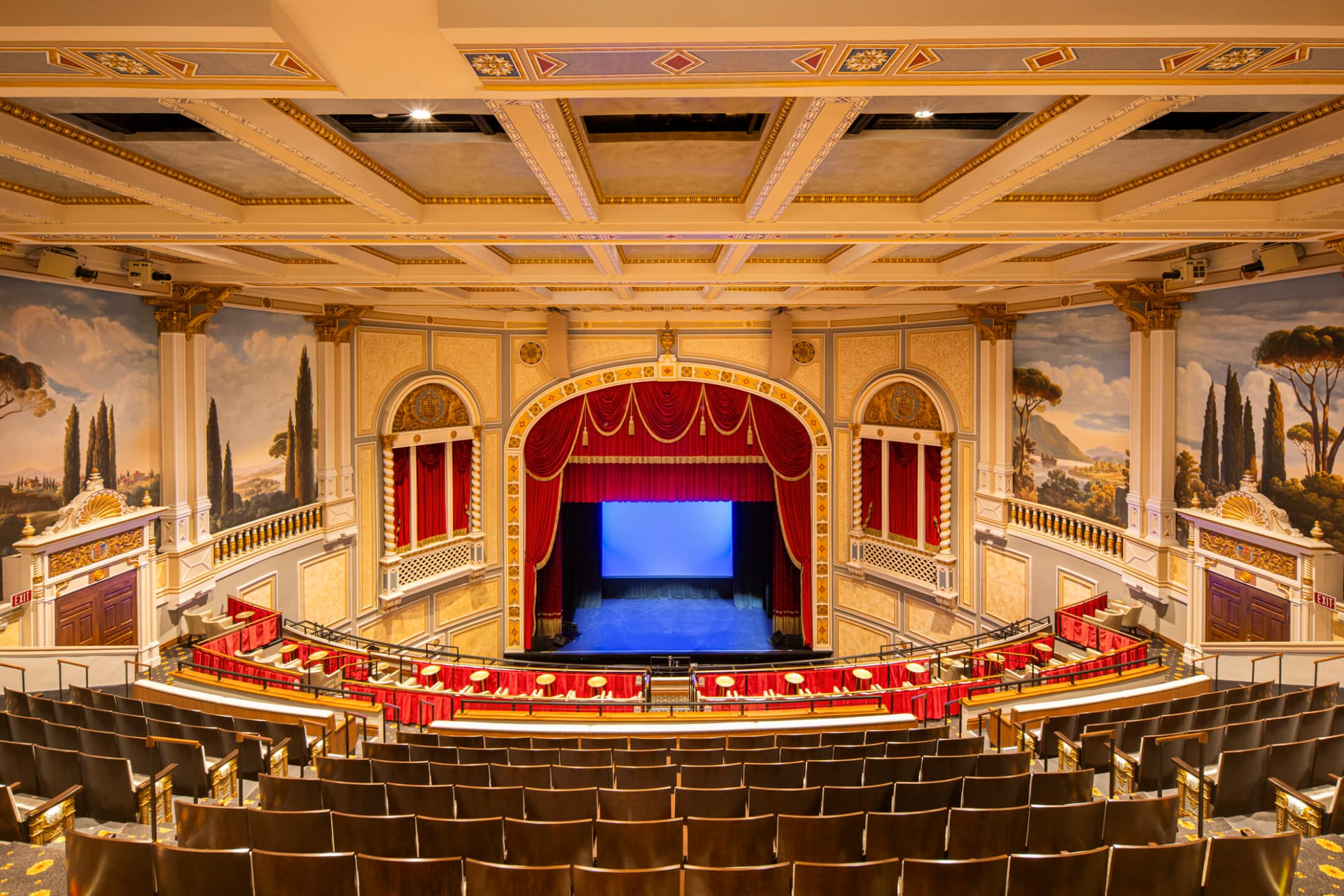
That local approach came into focus during Revolutionary Days in Allendale, a month-long series that ran from January 3 to January 26, 2025. The historical society coordinated the programming at USC Salkehatchie, where two traveling displays anchored the public exhibits: the South Carolina State Museum’s “The American Revolutionary War in South Carolina” and the National Park Service’s “Lives of Backcountry Children.”
The mix was deliberate. One exhibit placed Allendale within the larger Revolutionary War story in South Carolina, while the other brought everyday life into view through the lens of children in the backcountry. Together, they gave families and students a way to see the war not only as a series of battles, but as a local experience shaped by household labor, movement, fear, and survival.
SC Humanities said the goal was to educate the public about the Revolutionary War in general, with special attention to events that happened in South Carolina and Allendale County. That emphasis fits a county where history works best when it feels immediate, specific, and tied to recognizable institutions like USC Salkehatchie.
Why South Carolina’s war history keeps coming back to Allendale
South Carolina has more than 200 Revolutionary War engagements, more than any other colony. That density helps explain why local programming can keep finding fresh angles without repeating itself. In a state with so many battles, skirmishes, marches, and occupations, the story is too large to sit in one place, and counties like Allendale become part of the map of memory.
SC Humanities has also been pushing Revolutionary War programming toward stories that often get pushed aside in battle-centered retellings. Its work highlights Native Americans, free people of color, and enslaved South Carolinians, groups whose experiences shaped the war and its consequences in ways that are still too often left out of public commemoration.
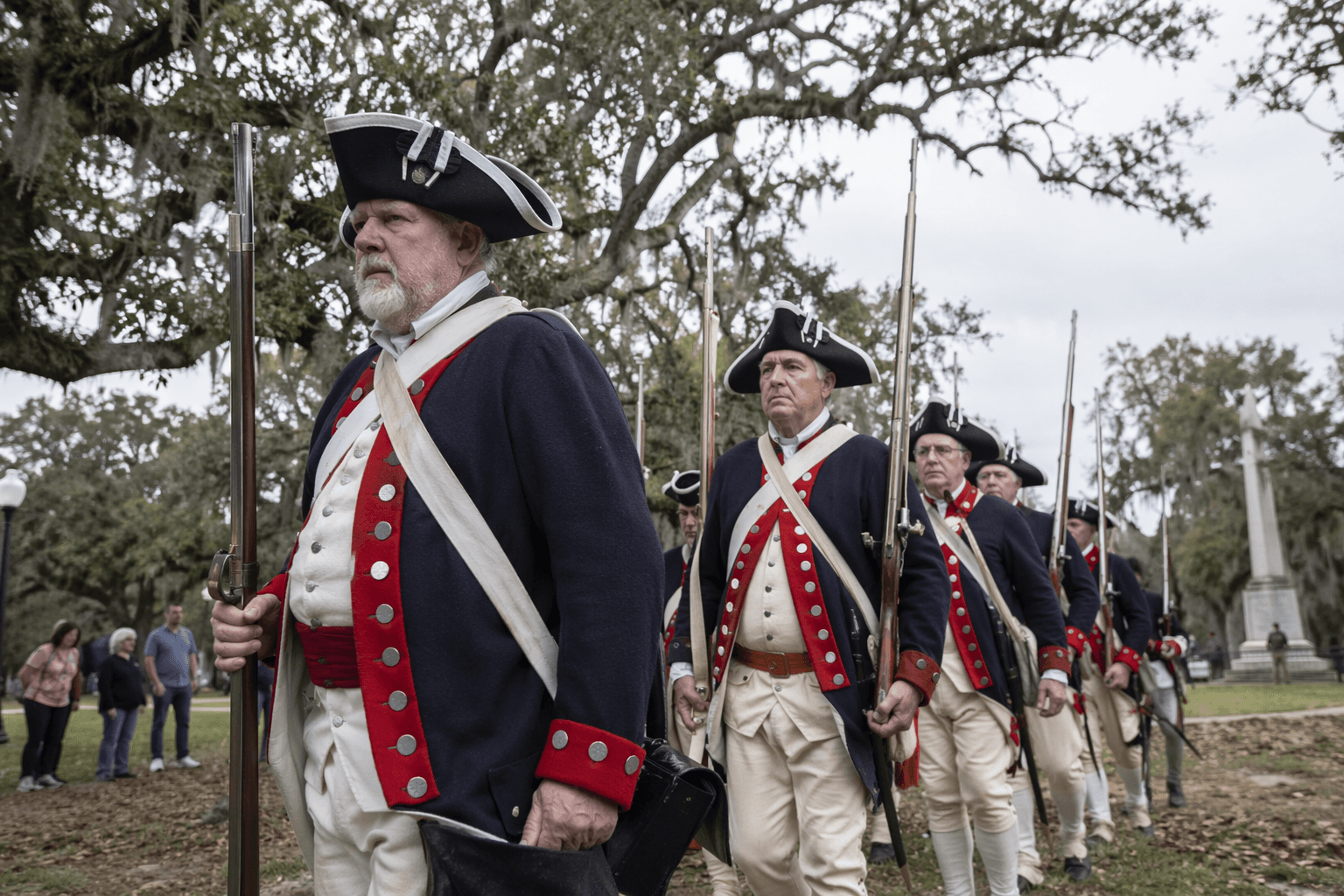
That broader frame gives Allendale a stronger civic purpose. When local history includes more than generals and battle lines, it becomes a tool for teaching younger residents how the county fit into the conflict, how different communities lived through it, and why the past still shapes the present-day identity of the county.
The January 5 kickoff and the people in the story
The Allendale County 250 Revolutionary War Committee opened the celebration with a presentation on January 5, 2025 by USC Salkehatchie history professor Dr. David W. Dangerfield. His talk, “People of Color during the American Revolution,” focused on the experiences of African Americans and their interactions with both British and American forces.
That choice of topic mattered. It tied the county’s commemoration to the lives of people whose stories often sit at the margins of public memory, while also showing that the 250th anniversary was not being treated as a ceremonial countdown alone. The committee used the kickoff to make the celebration about interpretation, not just observance.
The event also placed USC Salkehatchie at the center of the county’s public history work. For Allendale, the campus was not just a venue. It became the place where a broader community conversation could happen, with a local professor and a county committee shaping how residents encounter the Revolutionary era.
SC250 and the next round in 2026
The January 2025 programming was part of South Carolina’s SC250 commemoration of the 250th anniversary of the American Revolution. Across the state, that effort is tied to the South Carolina American Revolution Sestercentennial Commission, and in Allendale it has taken shape through the work of the historical society, USC Salkehatchie, SC Humanities, the South Carolina State Museum, the National Park Service, and the Allendale County 250 Revolutionary War Committee.
Allendale SC250 says the effort is about more than marking a milestone. “Every person’s story is important,” the group says, a line that fits the county’s emphasis on people, families, and the lived experience of the war rather than a distant statewide script.
The work is already continuing. Allendale SC250 says Revolutionary Days 2026 is being planned now, with another South Carolina State Museum exhibit set to anchor the celebration in March 2026. That turns the 2025 series into something more durable than a one-time observance: a repeating local tradition that keeps Revolutionary War history present in Allendale’s schools, public spaces, and county memory.
In a county where preservation includes markers, cemeteries, university partnerships, and public exhibits, the Revolutionary era is no longer just a chapter in South Carolina history. It is becoming part of how Allendale explains itself to the next generation.
This article was produced by Prism’s automated news system from verified source data, official records, and press releases, then run through automated quality and moderation checks before publishing. The system is built and supervised by the people who set the standards it runs under. Read our full AI policy.
Did this article answer your question?