Carolina Theatre reflects Allendale’s downtown rise, decline and revival
The Carolina Theatre is more than a restored landmark: its rebirth shows whether downtown Allendale can still gather families, students and shoppers around Main Street.
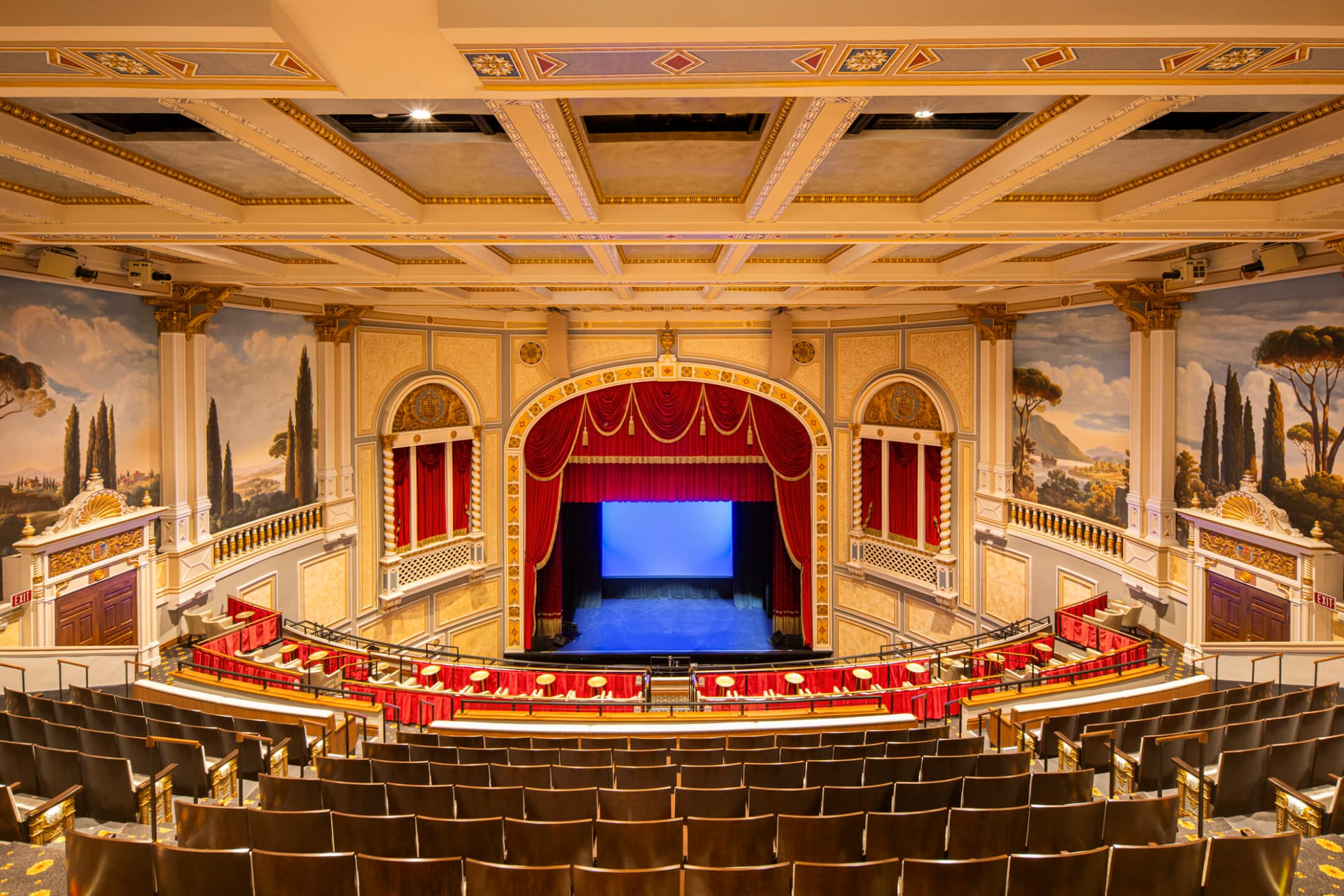
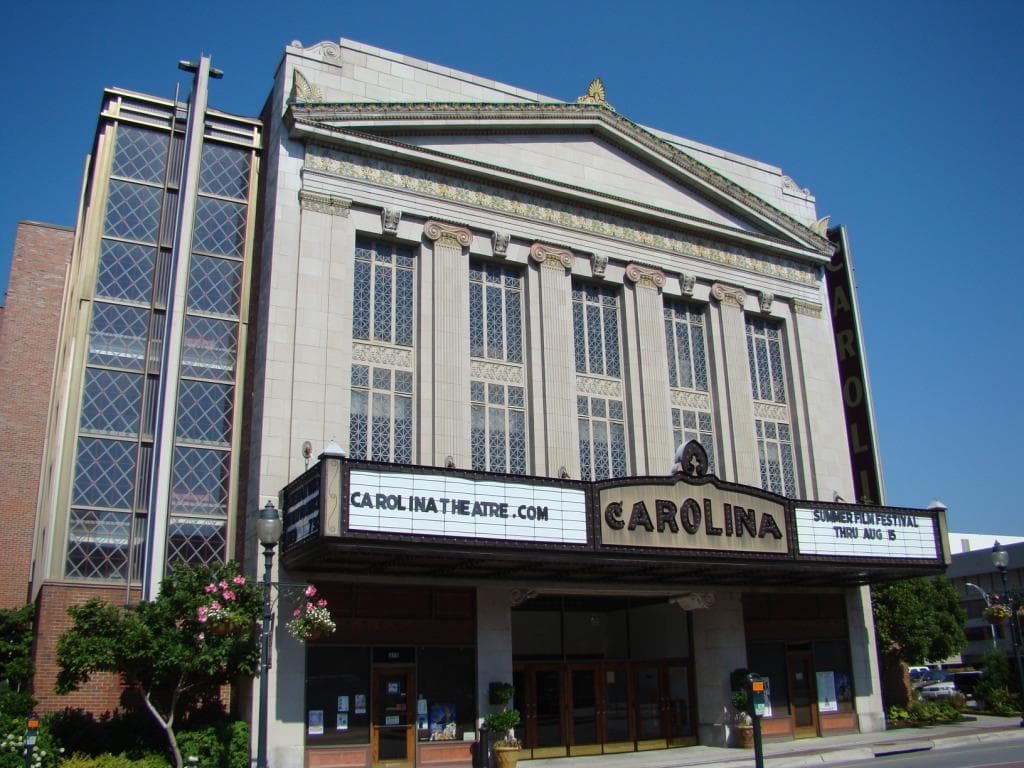
The Carolina Theatre on 425 North Main St. is the clearest test of whether downtown Allendale’s comeback is real. What began as a 382-seat movie house now brings dramatic theatre, ballet, community performances, musical acts, USC Salkehatchie student events and children’s programming into a 150-seat room. The building has been saved, but the larger question is whether its crowds spill back onto Main Street often enough to help nearby businesses.
A downtown anchor with a long memory
Allendale County traces the theatre’s story to its first life as the Pastime Theater, a one-screen Art Deco cinema that became the Carolina Theatre in 1930 under F.H. Moody and E.A. Crocker. From the late 1920s through the 1960s, it was part of the regular rhythm of downtown life, when a night out in Allendale meant more than the movie itself. It meant being in the middle of town, where storefronts, restaurants and hotel rooms all depended on the same circulation of people.
That old downtown economy is visible in a 1951 image of historic Allendale that shows the east side of Main Street lined with Carolina Commercial Bank, Farmer’s Drug Store, Allendale Hardware, Bennett’s Department Store, South Carolina Power Company, the Sanitary Restaurant, and the Warren Hotel and drug store. The picture makes plain how tightly the theatre once fit into a dense commercial block. It was never just a standalone attraction. It was one part of a downtown that worked because people walked from one business to another.
The county’s own history ties that decline to transportation. U.S. Highway 301 once delivered tourist trade to Allendale, but Interstate 95 redirected traffic away from the town center and helped drain business from the streets that had lived on passing travelers. The theatre closed in the middle of the twentieth century along with many other downtown businesses. The loss was not only cultural. It was economic, because fewer moviegoers also meant fewer restaurant tabs, fewer drugstore stops and fewer reasons to linger on Main Street.
Restoration, ownership and the second act
The turnaround began when the University of South Carolina Salkehatchie acquired the building in 1983. In 2007, the school secured a USDA Rural Development grant and support from Savannah River Nuclear Solutions, local businesses and the University of South Carolina Columbia Art Department to restore the theatre and convert it into a performing arts center. The Carolina Theatre officially reopened on September 27, 2013, after a complete renovation.
USC Salkehatchie now owns the venue and says Leadership Institute staff manage it. That matters because the theatre is no longer just a memory project or a privately run venue with an uncertain future. It is part of an institutional campus presence in Allendale, which gives the building a stable operator and a calendar that can be filled with more than one kind of event. The renovated house seats 150 audience members, a size that keeps it intimate enough for school groups, family outings and community productions.
The theatre’s rebirth also connects to local memory work. In 2013, USC art students Sara McGregor and Mari Humphries compiled a book built from stories about the building as a gathering place for the whole town. That detail is important because it shows the theatre’s value is measured not only in bricks and paint, but in recollection. People did not simply go there to watch films. They associated it with the social life of Allendale itself.
What the theatre gives downtown now
The Carolina Theatre’s present-day importance is easiest to see in the mix of events it hosts. Dramatic theatre, ballet, musical acts, community performances, student events and children’s programming all draw different audiences into the same block. Families come for one reason, school groups for another, and local residents may return for a completely different show later in the year. That variety is what gives the building real civic use instead of turning it into a preservation trophy.
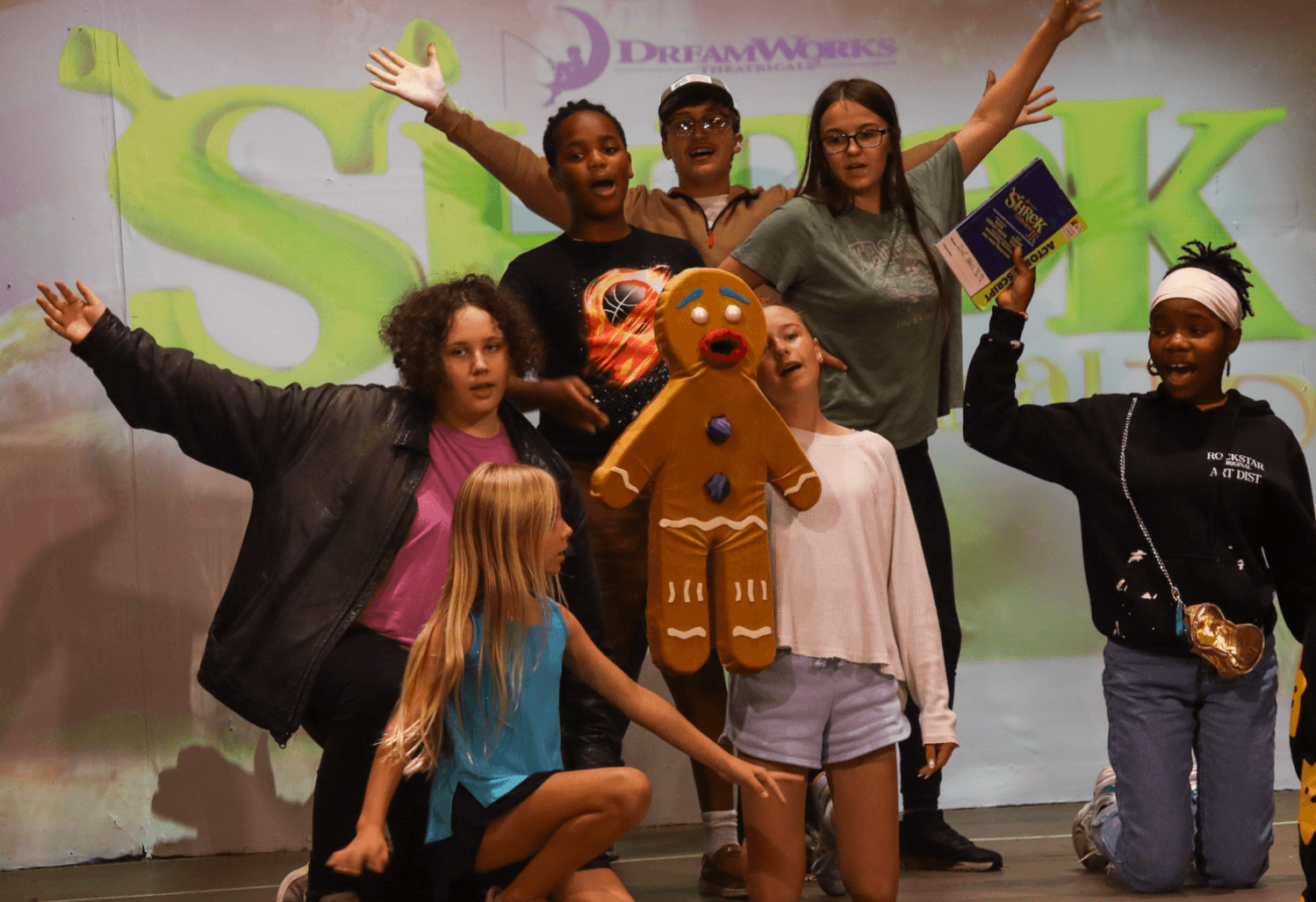
Children’s programming and USC Salkehatchie student events matter especially in a town where downtown revival cannot rely on one big draw. These are the kinds of events that can build habits, not just headlines. A family that comes for a performance may also buy dinner, stop at another business, or come back the next weekend if Main Street gives them enough reasons to stay.
That is where the test becomes harder. The theatre can generate foot traffic, but it cannot by itself recreate the full commercial mix that once surrounded it. The 1951 Main Street photo shows how many different businesses used to benefit from the same stream of visitors. For the comeback to hold, downtown needs more than one active address and more than occasional special programming. It needs open storefronts, regular hours and a cluster of businesses that can catch the traffic the theatre creates.
A downtown story larger than one building
The theatre also sits inside a wider regional economy shaped by the Savannah River Site, which spans 310 square miles across Aiken, Barnwell and Allendale counties. That scale underscores how much of the county’s economic life is influenced by forces larger than one street or one venue. In a place where land use, federal investment and regional employment all shape daily routines, a restored theatre becomes one visible sign of local determination, not a complete answer.
Still, the Carolina Theatre gives Allendale something many downtowns lose and never recover: a public room that belongs to the town’s shared life. It has moved from movie house to community stage, from a place that drew people past the storefronts to a place that can send them back out into them. Whether downtown Allendale rises with it will depend on how many businesses can stay open long enough to meet the crowd at the door.
This article was produced by Prism’s automated news system from verified source data, official records, and press releases, then run through automated quality and moderation checks before publishing. The system is built and supervised by the people who set the standards it runs under. Read our full AI policy.
Did this article answer your question?