Allendale County farms drive crop-based economy across 66,335 acres
Allendale County's farms cover 66,335 acres and still anchor jobs, land use, and local institutions from Burtons Ferry Highway to Clemson Extension.
%3Amax_bytes(150000)%3Astrip_icc()%2FChelseaSoybean-4_soybeans-27a243fa2b6242f5a89f7015c0409e79.jpg&w=1920&q=75)
Allendale County is still organized around the rhythm of planting, spraying, harvesting, and hauling. The county’s 126 farms spread across 66,335 acres, and that land produced $16.413 million in agricultural sales in USDA’s 2022 county profile, a scale that makes farming more than scenery here. In a county of 8,039 people, the question is not whether agriculture matters but what gets lost in jobs, family land, and local identity if it stops being the backbone.
A crop economy with deep roots
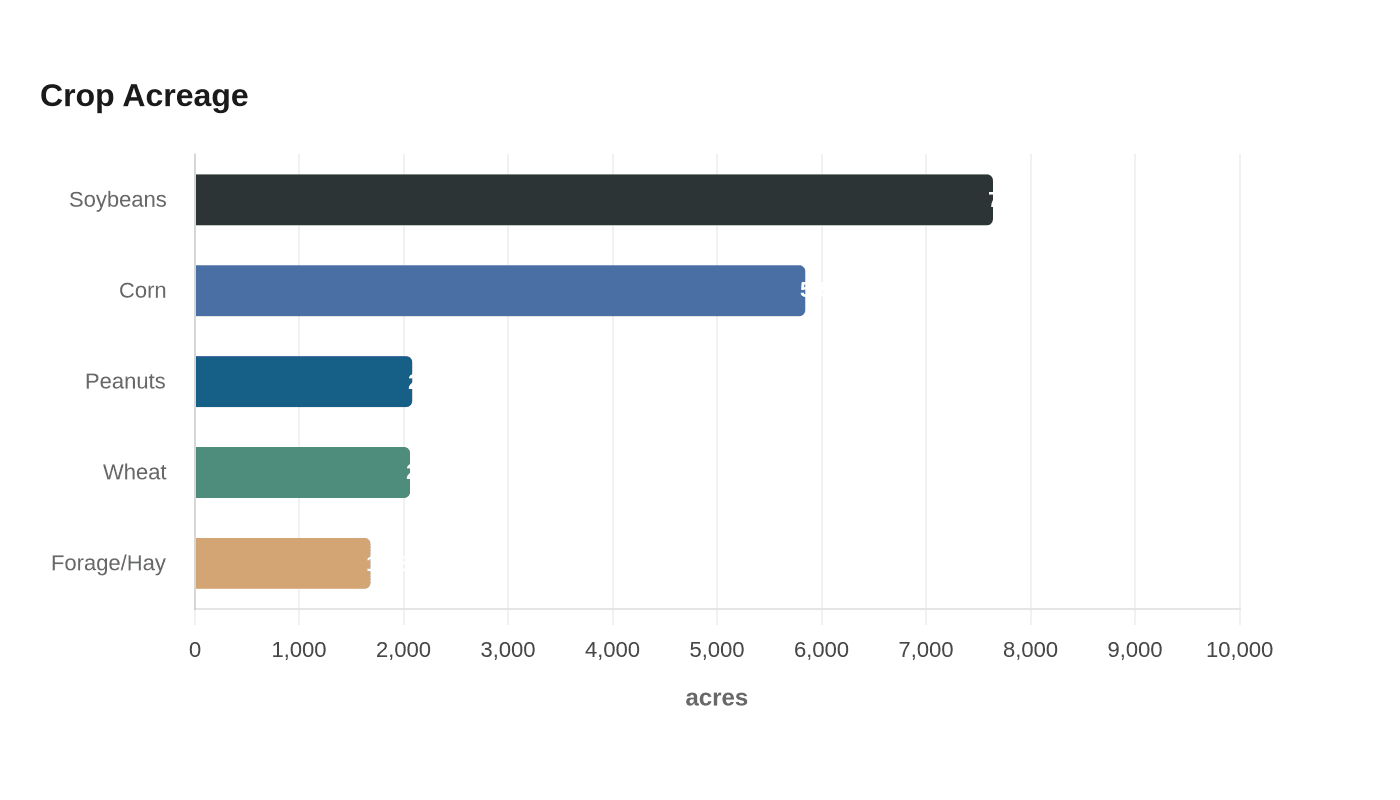
The numbers show a county built around crops, not a single commodity. Crops accounted for 76% of agricultural sales in 2022, while livestock, poultry, and products made up 24%, a mix that still leaves row-crop production at the center of the local economy. Soybeans led the acreage picture at 7,636 acres, followed by corn for grain at 5,840 acres, peanuts at 2,079 acres, wheat at 2,058 acres, and forage or haylage at 1,680 acres.
That crop mix matters because it shows how the county’s land works in practice. Allendale County had 28,726 acres of cropland, 4,756 acres of pastureland, 30,584 acres of woodland, and 2,269 acres of other land in farms, with 7,224 irrigated acres, or about 11% of all farm land. The county’s average farm size was 526 acres, the same as in 2017, which points to a landscape of larger, working operations rather than scattered hobby plots.
What the balance sheet says about survival
The farm economy is not evenly spread across the county. USDA’s profile shows 89 of the 126 farms had less than $2,500 in sales, while 13 farms had $100,000 or more. That gap helps explain why a relatively small number of higher-output farms often carry so much of the county’s agricultural value, even as many family-owned operations remain part of the land base.
Net cash farm income reached $4.020 million in 2022, with government payments totaling $748,000 and farm-related income adding $1.355 million. Those figures matter beyond farm gates because they show how income from land filters into equipment dealers, seed and chemical suppliers, local payrolls, repairs, fuel purchases, and the businesses that serve producers before and after harvest. The county also had 205 producers and 74% of farms had internet access, a reminder that even in a deeply rural place, farm decision-making now runs through connected phones, field mapping, and online market information.
The farm count itself has tightened. Allendale County had 24 fewer farms in 2022 than in 2017, and land in farms fell 23% over the same period. The acreage that remains is still substantial, but the trend underscores how much the county depends on each remaining operation staying viable.
The local support system behind the fields
Clemson Extension’s Allendale County office is part of the county’s agricultural infrastructure, not an afterthought. Its local staff work across agribusiness, agronomy, food safety, nutrition, horticulture, livestock and forages, forestry and wildlife resources, rural health, water resources, and 4-H and youth development. That range reflects how many parts of county life are touched by farm production, from field crops to youth programs that help keep the next generation tied to the land.
The office has also been a real convening place for producers. On February 8, 2024, Clemson Extension agents hosted a corn and soybean production meeting at the Allendale County Extension Office that drew 75 farmers and industry personnel from across the Savannah Valley. Clemson Extension later said the Allendale office hosted three well-attended production meetings on corn and soybeans, peanuts, and crop risk management, with more than 100 area producers taking part across the three sessions. Growers could also earn private pesticide credit hours by attending, which made the meetings both practical and financially useful.
The office roster shows how local support is organized around specific needs. Rogan Gibson serves as the agronomic crops agent for Allendale and Hampton counties. Presley Bell works as the Barnwell, Bamberg and Allendale County 4-H youth development agent. Anna Hill handles horticulture, Molly Jones works in water resources, Mike Windhorn covers forestry and wildlife, and Karissa Ulmer serves as district extension director. That staffing network is part of the county’s survival story because it helps producers adapt to weather, pests, market swings, and soil conditions instead of facing those problems alone.
Farm families, schools, and the next generation
The county’s agricultural pipeline runs through more than fieldwork. South Carolina Farm Bureau’s Allendale County office sits at 5148 Burtons Ferry Hwy. in Allendale, and it offers a $1,000 scholarship for a member pursuing agriculture or an ag-related major, with a July 15 deadline. Statewide, the organization says its youth scholarship programs award more than $36,000 each year, which places Allendale’s scholarship in a broader effort to keep farm kids and rural students connected to agricultural careers.
That matters in a county where the economic base still shapes family decisions about school, work, and whether land stays in the family. When a producer can send a child to college with help aimed at agriculture, that is not just a scholarship. It is a signal that the county expects some of its young people to come home with skills that can keep farms productive, whether they work in crops, agribusiness, or a support field tied to agriculture.
A place where the land is the story
Allendale County was formed in 1919 from parts of Barnwell and Hampton counties, making it South Carolina’s youngest county. Yet the land itself carries a much older record. The South Carolina Encyclopedia says the county contains the oldest known human habitation in the state, with evidence of settlement more than 16,000 years old. That long arc helps explain why land use still sits at the center of the county’s sense of itself.
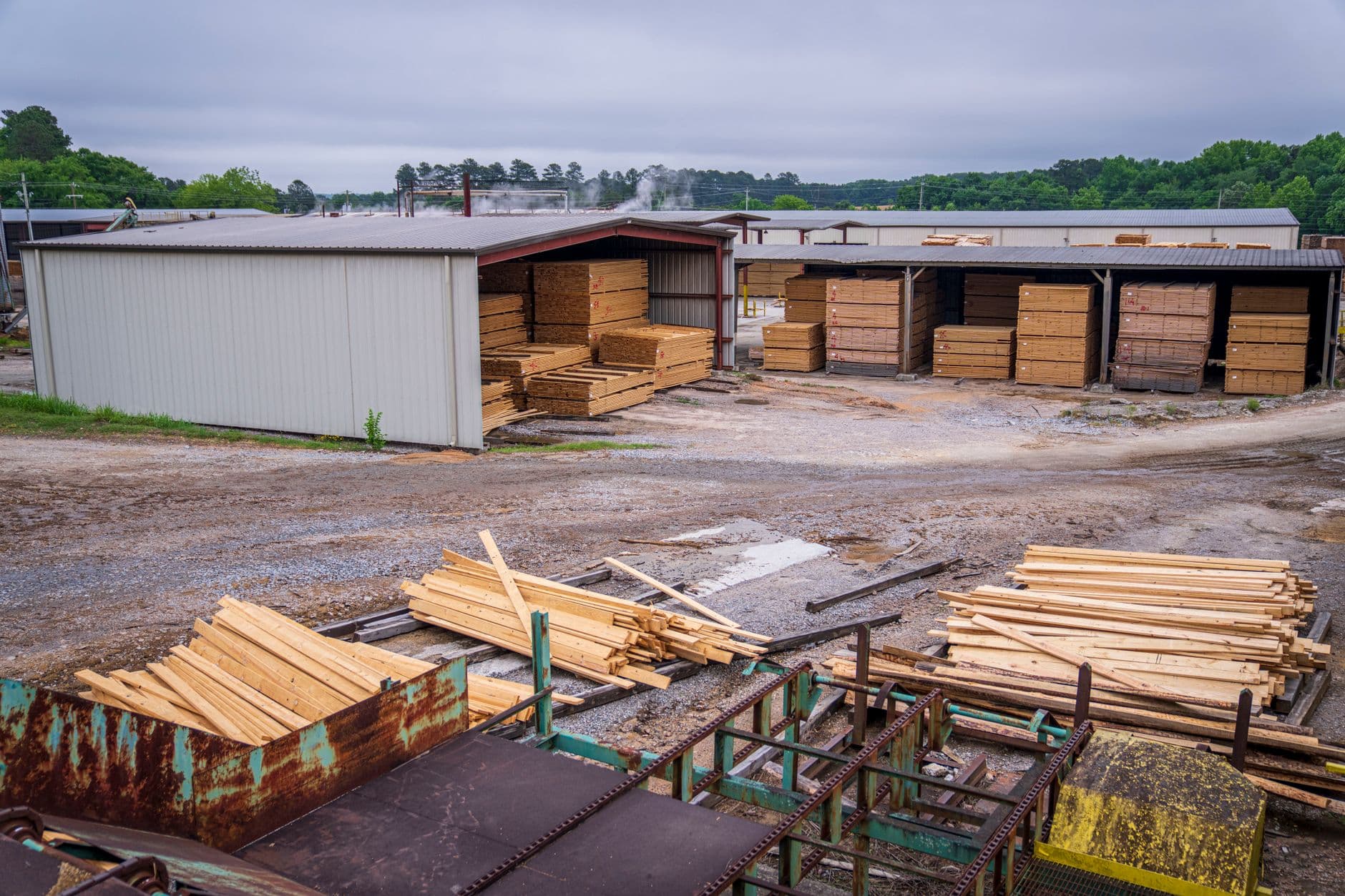
The county’s business directory also points to a wider farm-linked industrial base, listing Birdsong Peanuts, Helena Chemical Company, Archroma, EMD Group, and Queen Wood Products among local industries. That mix fits the USDA land profile, where woodland occupies more farm acreage than pastureland, and it shows that agriculture here connects to input suppliers, peanut handling, chemical products, and wood-related businesses as well as planting and harvesting.
Allendale County’s agricultural future will be shaped by whether those links hold. If the farms keep operating, the county keeps more than acreage in production. It keeps payrolls, school ties, supplier relationships, and a working identity that has defined the county for generations.
This article was produced by Prism’s automated news system from verified source data, official records, and press releases, then run through automated quality and moderation checks before publishing. The system is built and supervised by the people who set the standards it runs under. Read our full AI policy.
Did this article answer your question?