Allendale district extends high tunnel help for local farmers
High tunnels can help Allendale farmers harvest earlier, lose less to weather and hold steadier cash flow through a district program now in its seventh year.
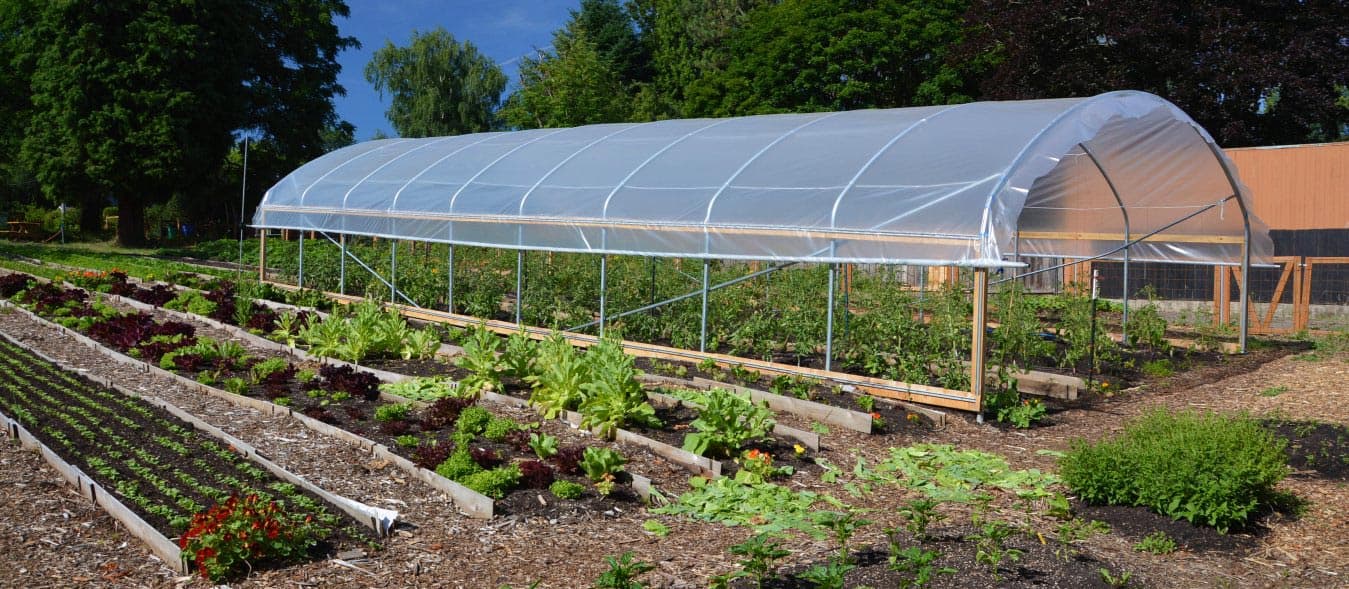
A high tunnel can give an Allendale grower a few more weeks on either end of the season, and those extra weeks can mean earlier sales, steadier cash flow and fewer weather losses. The Allendale Soil and Water Conservation District says it is continuing that help through its Seasonal High Tunnel Technical Assistance program, with approved farmers and landowners able to use the system in every county in South Carolina.
What a seasonal high tunnel changes on the farm
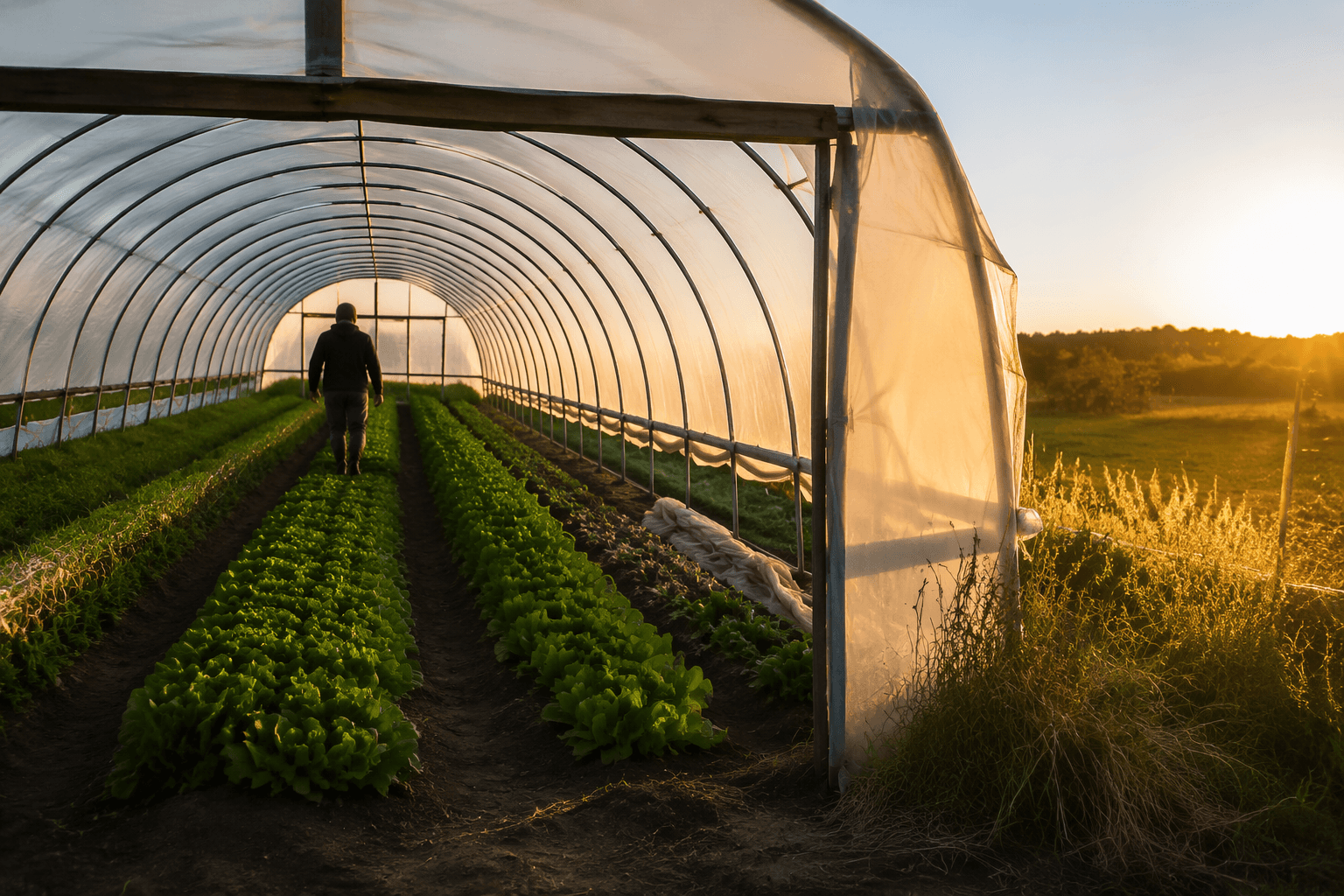
Seasonal high tunnels, commonly called hoop houses, are built to shelter crops while still allowing soil-based growing. The USDA Natural Resources Conservation Service says they protect plants from severe weather and help farmers extend production into spring and fall, which is exactly why they matter to growers trying to keep produce moving when temperatures swing or rain threatens an open field.
That protection can be especially useful for vegetables, berries, flowers and seedlings. In practical terms, a tunnel can help a small farm push harvests earlier, stretch sales later and reduce the kind of crop loss that can knock a week’s market income out of a budget. For farms that depend on regular deliveries or farmers market supply, that extra cushion can be the difference between meeting a buyer’s schedule and missing it.
How Allendale’s district keeps the program moving
The district’s annual report says it has continued providing assistance through the Seasonal High Tunnel Technical Assistance program and that, under the agreement, it can install high tunnel greenhouses in every county in South Carolina for farmers or landowners approved through EQIP, the USDA Natural Resources Conservation Service’s Environmental Quality Incentives Program. The district says it has been providing the program for seven years, and that the agreement has once again been extended.
That continuity matters because high tunnel projects are not one-off handouts. They require technical support, eligibility through EQIP and a structure that fits the producer’s land, crop plan and financing. By keeping the agreement in place, the district gives local landowners a path to a piece of infrastructure that can support a longer growing window without forcing them to navigate the process alone.
The district’s role also shows how a local conservation office can function as an on-the-ground partner for farm income, not just a steward of land and water. In a county where agriculture remains central to the economy, that kind of assistance can help producers keep planting, harvesting and marketing through more of the year.
How to get into EQIP and what the funding covers
NRCS says EQIP in South Carolina provides technical and financial assistance to agricultural producers and forest landowners to address natural resource concerns. For seasonal high tunnels, producers should contact their local USDA Service Center to learn more or sign up. That local step matters because eligibility, site planning and payment details all run through the USDA system.
NRCS also says a producer must purchase a manufactured high tunnel kit from a commercial source, and the kit must include installation instructions from the manufacturer. The agency’s seasonal high tunnel factsheet says financial assistance can cover up to 2,178 square feet of tunnel space at a rate of $2.60 per square foot, or $3.10 per square foot in certain situations. For a county farmer weighing whether to add protected growing space, that structure turns the project from a general idea into a defined program with known parameters.
A simple path into the program looks like this:
- Contact the local USDA Service Center to ask about EQIP and high tunnel eligibility.
- Choose a manufactured kit with installation instructions from a commercial supplier.
- Work through the EQIP process for approval before installation.
- Use the district’s technical assistance to place the tunnel where it can support the crop plan.
Why the numbers matter in Allendale County
The USDA 2022 Census of Agriculture county profile for Allendale County lists 126 farms on 66,335 acres, with an average farm size of 526 acres. It also puts the total market value of products sold at $16,413,000 and net cash farm income at $4,020,000. Government payments totaled $748,000, farm-related income was $1,355,000 and total farm production expenses reached $14,496,000.
Those figures show a farm economy where margins matter. When expenses run high and income depends on moving crops at the right time, a tunnel that protects a crop from cold snaps, heavy rain or wind can have a direct financial payoff. A structure that helps a producer sell a few weeks earlier in spring or a few weeks later in fall can improve cash flow without requiring a full-scale expansion of acreage.
Part of a wider South Carolina conservation system
Allendale’s program sits inside a statewide network of conservation districts, and the district’s annual report says the high tunnel agreement has been extended again after seven years of use. That kind of continuity gives the county a local point of access to a federal conservation tool that is already used across South Carolina.
The broader agricultural case for high tunnels reaches beyond one county. The National Sustainable Agriculture Coalition has described seasonal high tunnels as part of a conservation strategy that can support new farmers, and Clemson Extension has used workshops on integrated high tunnel production to stress profitability and diversification for small-scale fruit and vegetable producers in the Upstate of South Carolina. Those themes line up with the needs of a county where growers are managing weather risk, production costs and market timing at the same time.
For Allendale farmers and landowners, the district’s extended agreement keeps a concrete tool on the table: a way to protect crops, stretch the season and make a more reliable living from the land.
This article was produced by Prism’s automated news system from verified source data, official records, and press releases, then run through automated quality and moderation checks before publishing. The system is built and supervised by the people who set the standards it runs under. Read our full AI policy.
Did this article answer your question?
%3Amax_bytes(150000)%3Astrip_icc()%2FChelseaSoybean-4_soybeans-27a243fa2b6242f5a89f7015c0409e79.jpg&w=1920&q=75)