$120 Million Secured to Expand Safe Water Access on Navajo Nation
Frozen since January, $120M for Navajo Nation water infrastructure was unlocked only after Sen. Luján pressed the Bureau of Reclamation at a Senate hearing.
The $120 million earmarked for Navajo Nation water infrastructure sat frozen for more than two months until Sen. Ben Ray Luján pressed the Bureau of Reclamation's acting commissioner to explain the delay.
At a March 11 Senate Indian Affairs Committee hearing, Luján confronted acting Commissioner Scott Cameron about why Fiscal Year 2026 funds from the Reclamation Water Settlements Fund had been stalled since January. Cameron acknowledged the Navajo-Gallup Water Supply Project was the fund's "No. 1 priority." The bureau expedited the release within days.
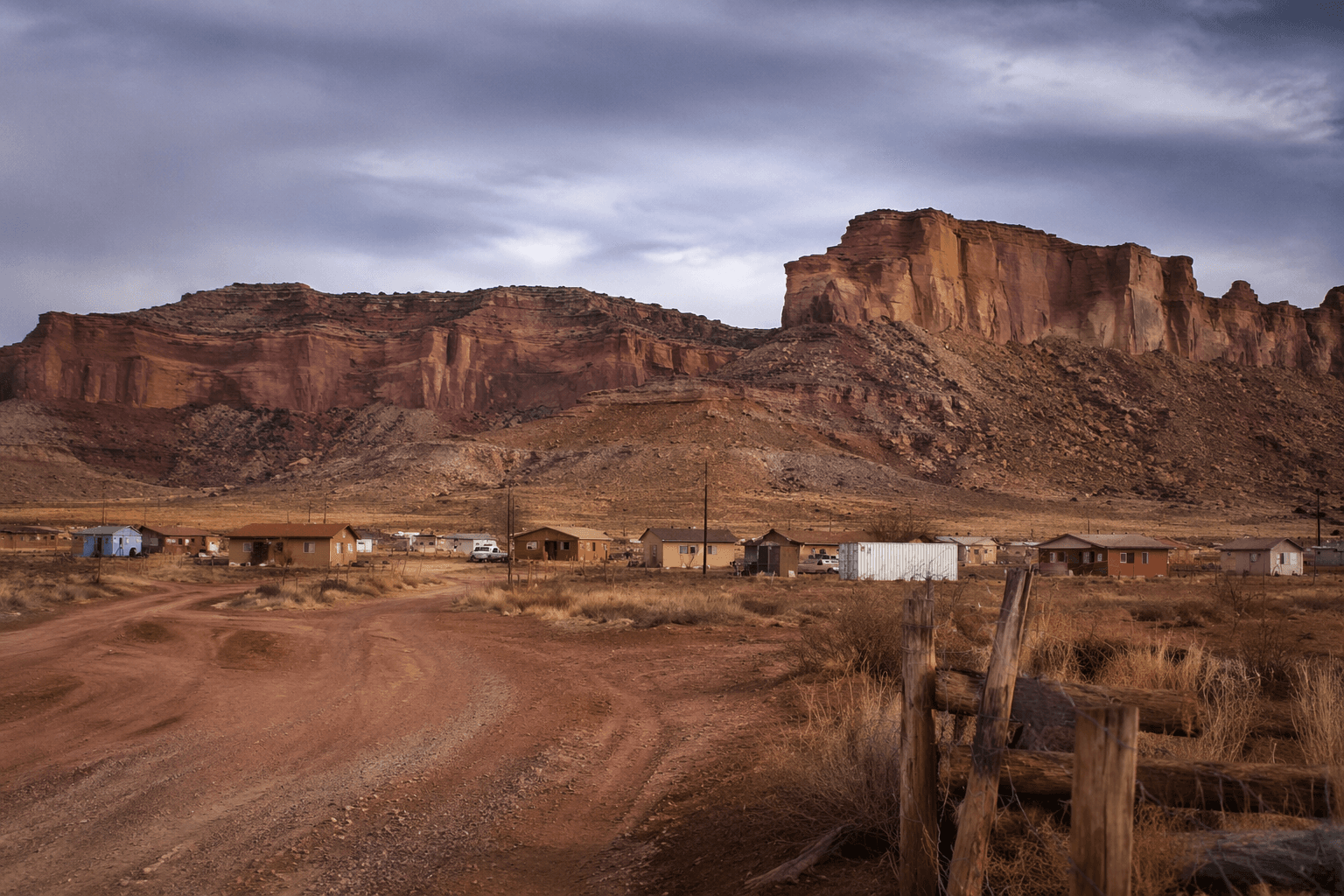
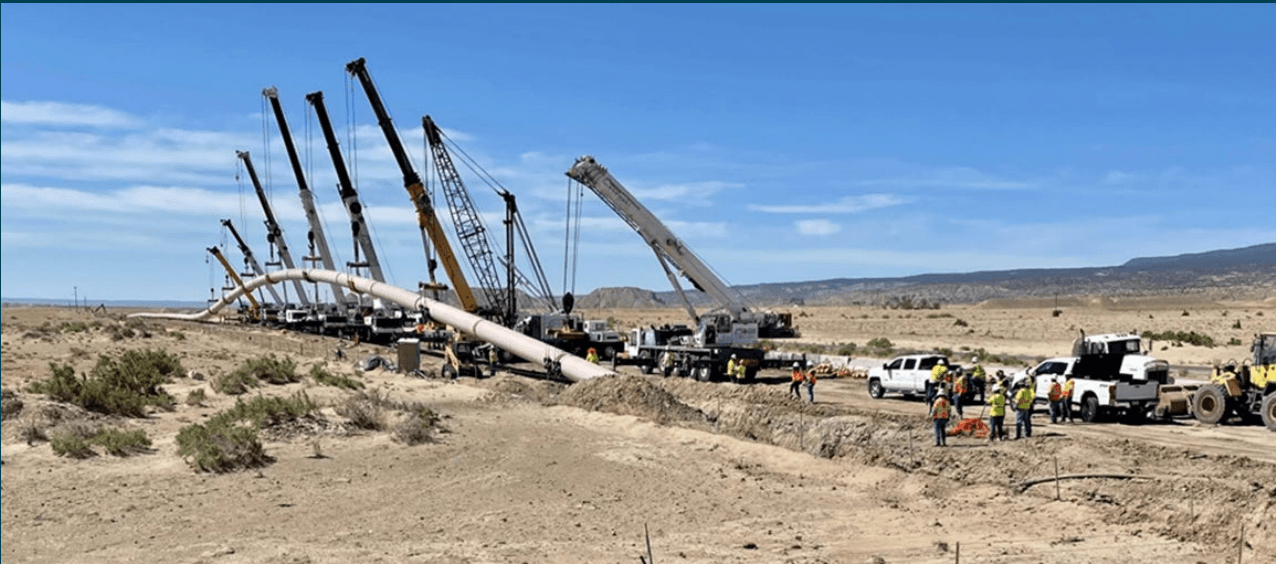
The money now heads toward a project that will serve 43 Navajo Chapters on the eastern Navajo Nation, the City of Gallup, and the southwestern portion of the Jicarilla Apache Nation. Designed to reach more than 250,000 people by 2040, the project routes water from the San Juan River through roughly 300 miles of pipeline, two water treatment plants, 19 pumping plants, and multiple storage tanks.
For communities waiting on a direct connection, the timeline is specific. The San Juan Lateral, the project's largest remaining construction segment, is expected to begin delivering water in 2028. Full project completion follows in 2029. The original deadline was 2024, extended after the parties added water storage and energy generation to the project's scope. The Cutter Lateral, the project's first major segment, was completed in 2020.
The FY2026 release, combined with $55 million Luján and Sen. Martin Heinrich secured through the FY2026 Energy and Water Development appropriations bill in January, brings this year's combined new federal investment to $175 million. The project's total estimated cost has grown to $2.1 to $2.2 billion, against $1.8 billion authorized by Congress. The Bipartisan Infrastructure Law had previously contributed $137 million.
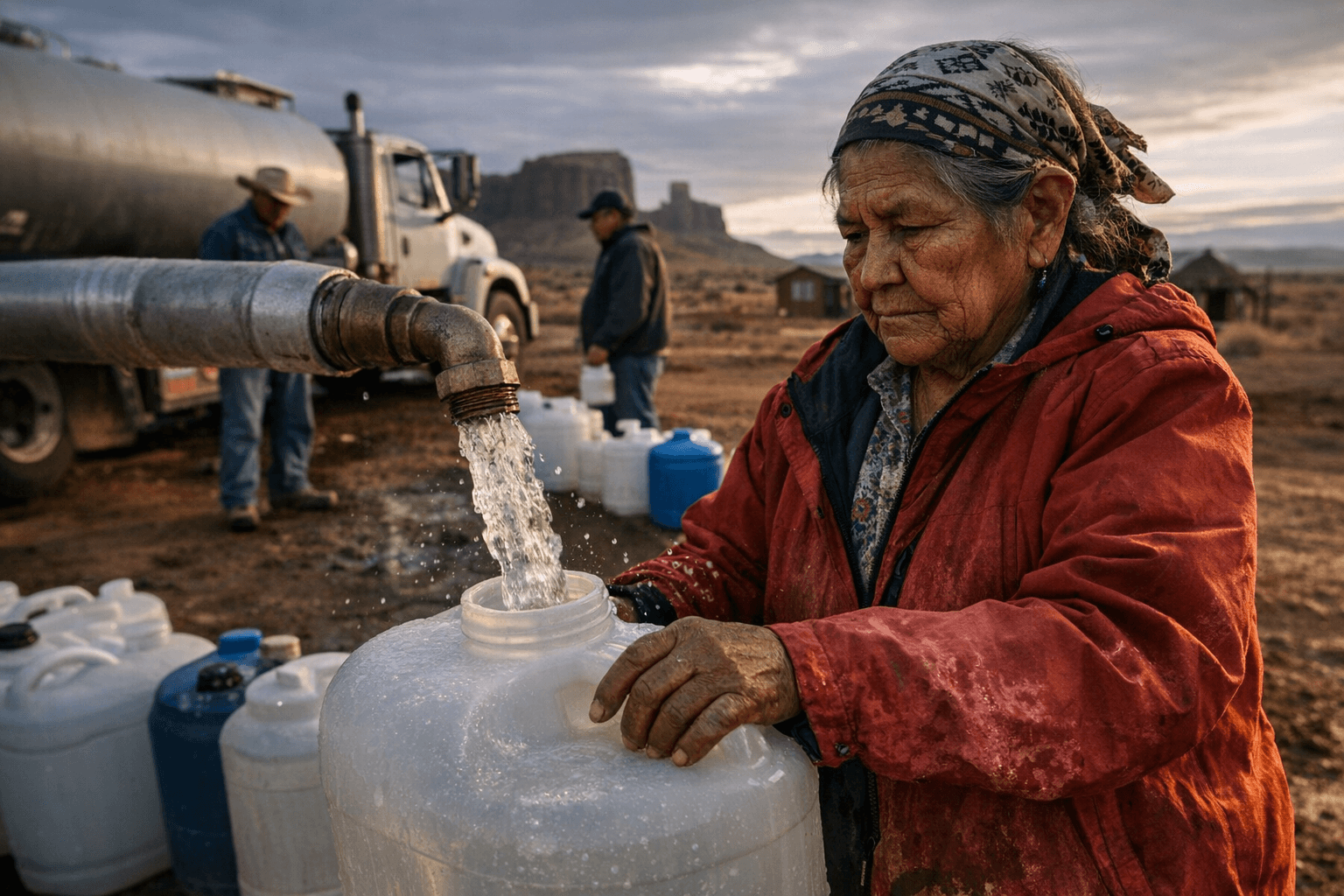
More than 40% of Navajo Nation households have no running water and must haul it to meet daily needs, according to the Bureau of Reclamation. Many residents have fewer than 10 gallons available at home on any given day, while the national average sits at 88 gallons. Hauling water costs Navajo residents up to 20 times what off-reservation neighbors pay. Gallup's groundwater levels have fallen approximately 200 feet over the past decade.
Navajo Nation President Buu Nygren, who grew up without running water, has made the project a signature priority of his administration. "With this funding, we are even closer to bringing a safe and reliable water supply to our people," Nygren said. Navajo Nation chief legal counsel Bidtah Becker urged chapters to act now: "They should be dusting off any economic development plans they have, because there is a water supply coming to them."
Rep. Teresa Leger Fernández laid out what the project actually means at the community level: "Gallup and other communities don't have the water infrastructure they need for their health care, businesses, and residents. This $120 million funding moves us closer to the day when these communities can turn on a tap and trust that water will flow."
Luján, who introduced the original legislation as a House member in 2009 under the Omnibus Public Land Management Act, framed the sustained push as a matter of legal obligation: "This is an issue of living up to our trust responsibility to Tribes and delivering essential rights to Nations."
The $267 million San Juan Lateral Water Treatment Plant, described as the largest in the project, went under contract in August 2024. The next pressure point for federal project managers: sustaining construction momentum to reach the 2028 water delivery target on a project that has already run five years past its first deadline and $300 to $400 million over its authorized budget.
This article was produced by Prism’s automated news system from verified source data, official records, and press releases, then run through automated quality and moderation checks before publishing. The system is built and supervised by the people who set the standards it runs under. Read our full AI policy.
Did this article answer your question?