AIA puts Coolidge athletics on probation after Chinle complaint
Coolidge’s yearlong postseason ban turned Chinle’s February playoff complaint into a statewide warning: crowd misconduct can cost an entire athletic program its next year of titles.

The Arizona Interscholastic Association has put Coolidge High School athletics on probation for 365 days, making every one of the school’s teams ineligible for postseason competition and turning a complaint from a Chinle playoff game into a punishment with statewide reach. For Chinle families, the ruling went beyond one February night: it signaled that what happened after a 3A state boys basketball game could change schedules, bracket paths and how Arizona schools are held accountable for crowd behavior.
The dispute centered on the Chinle boys basketball team’s 64-53 loss in the postseason game, after which the AIA reviewed complaints alleging racial taunts and other spectator misconduct directed at Chinle players. State Rep. Myron Tsosie of Chinle said the Wildcats were taunted, called racial slurs and spit on, while Delegate Andy Nez said videos circulating from the game were disturbing and appeared to show a player being spit on. Those allegations put Chinle, a Navajo community where school sports carry deep public meaning, at the center of a wider debate about player safety and racial harassment in high-school athletics.
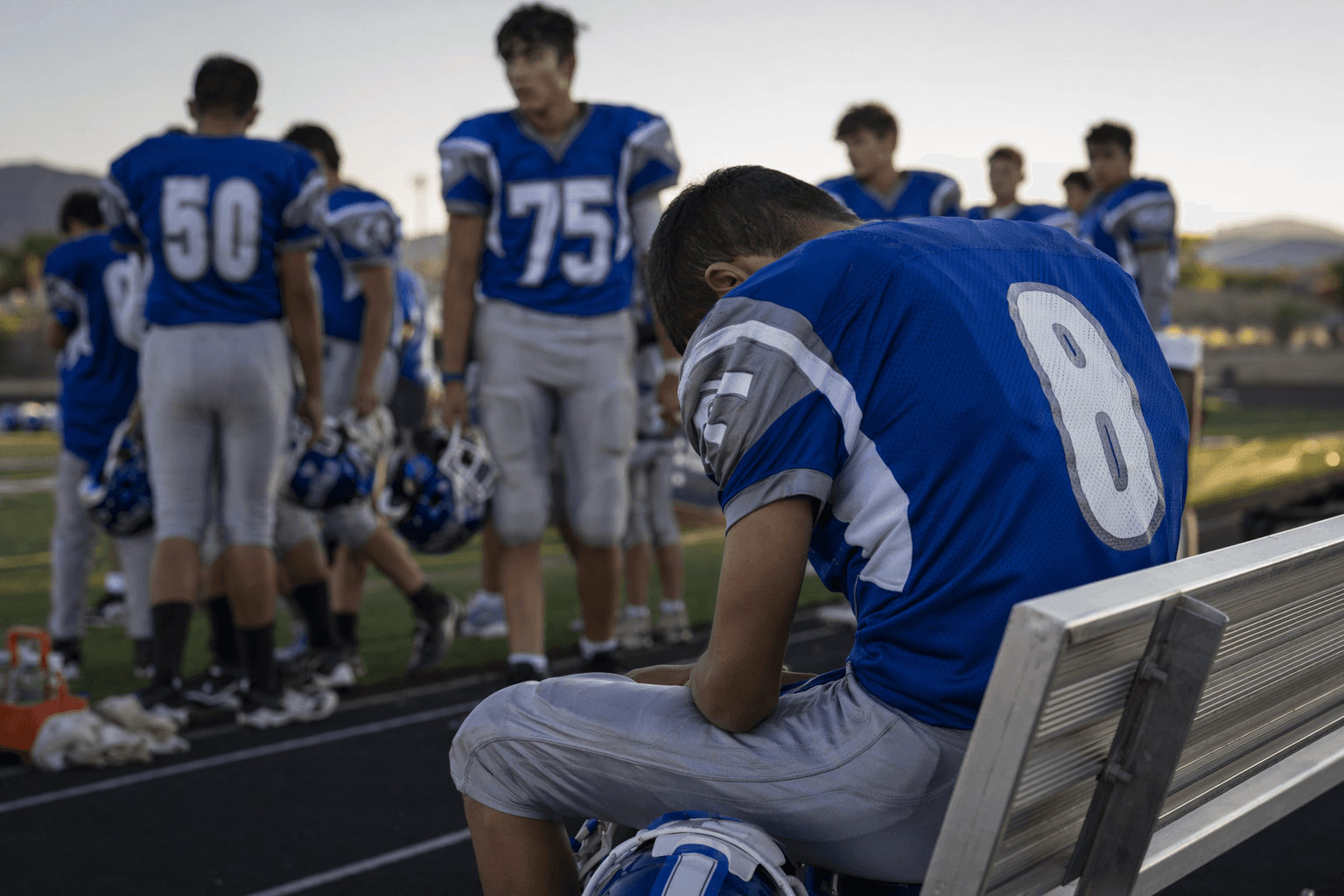
The probation matters immediately for Coolidge because it removes the school’s teams from postseason play for the full 365-day sanction. That means athletes in every sport at Coolidge will miss any chance at a playoff run during the probation period, and the 3A tournament landscape shifts as a result. For programs built around league standings, tournament seeding and postseason visibility, the loss is not symbolic. It is a direct competitive penalty that can affect recruiting, school morale and the final months of an athlete’s season.
For Apache County readers, the case is also a test of whether Arizona’s complaint process can protect visiting teams from abuse when emotions run high in elimination games. Chinle’s situation has now become a precedent for how the state handles allegations that spectators crossed the line from cheering to harassment. It also sends a clear warning to schools across Arizona: complaints about conduct in the stands can escalate into sanctions that reach far beyond one game, one coach or one crowd.
This article was produced by Prism’s automated news system from verified source data, official records, and press releases, then run through automated quality and moderation checks before publishing. The system is built and supervised by the people who set the standards it runs under. Read our full AI policy.
Did this article answer your question?