Aneth leaders demand clarity as Navajo water settlement leaves residents hauling water
Federal and state leaders finalized a Navajo water settlement today, but Aneth residents still haul drinking water and want clear, community-level implementation plans.

Federal and state leaders finalized a long-sought water rights settlement for Navajo communities in Utah today, yet families in Aneth continue to haul drinking water and live with aging infrastructure that the agreement does not immediately fix. The disparity between the legal milestone and daily life has left local leaders demanding clearer, community-based planning and direct involvement in implementation.
Aneth Chapter President Carma Claw said the chapter has not held a community-wide water settlement meeting at the chapter house; instead, residents have received briefings through the Navajo Utah Commission and Navajo Nation technical teams. Local officials are pressing for more direct outreach so residents understand project timelines, who will manage improvements, and how water access projects will be prioritized and funded.
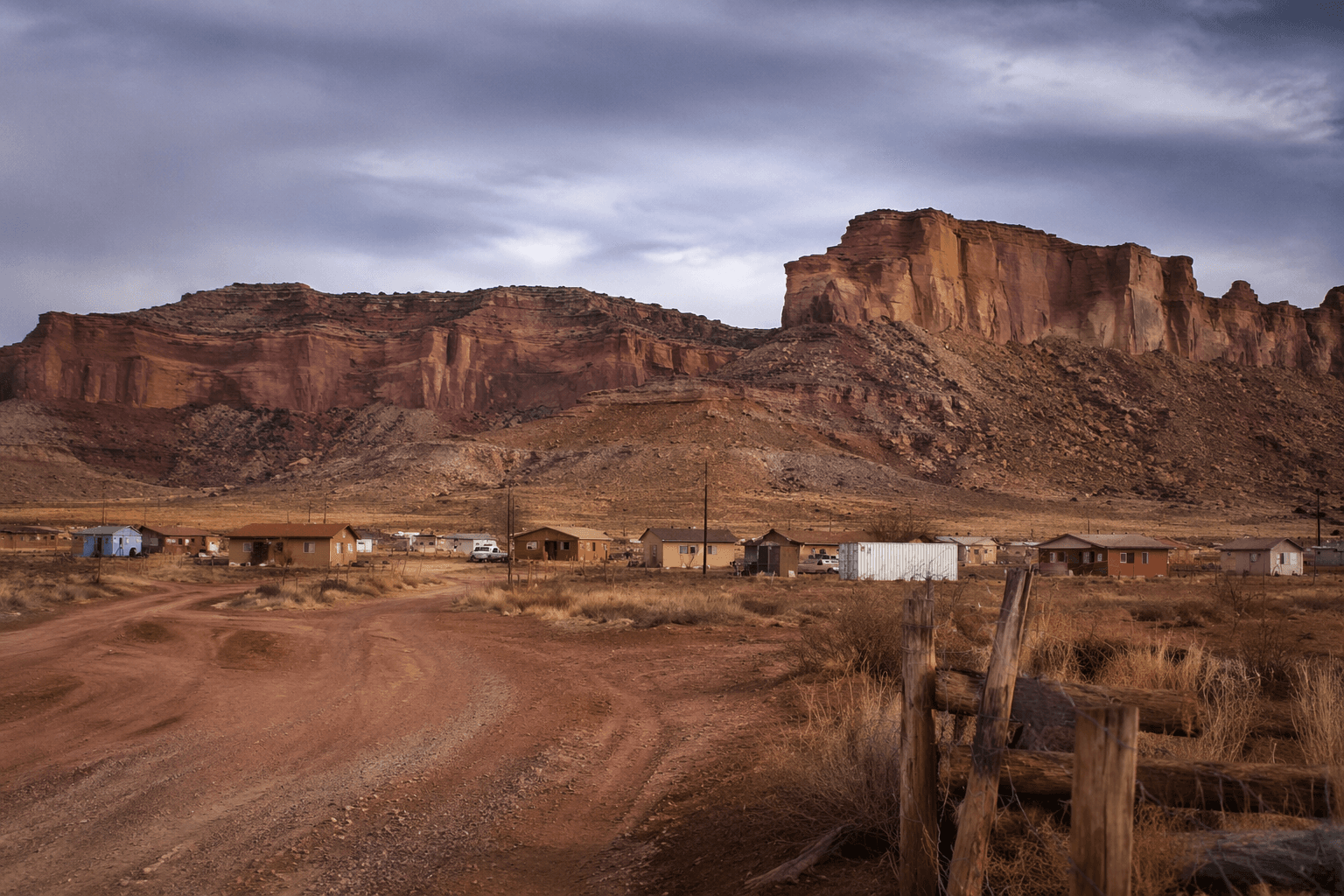
Many households in Aneth sit within sight of the San Juan River but lack reliable household water service. The settlement secures legal water rights that leaders have pursued for decades, yet the shift from adjudication to construction and distribution raises immediate governance questions for communities that still depend on hauled water, cisterns, and aging pipelines. Drought and climate uncertainty have exacerbated planning challenges and increased urgency for resilient infrastructure.
Implementation will require coordination among federal agencies, state authorities, Navajo Nation offices, and local chapter officials. Aneth leaders want explicit commitments on management roles and funding schedules because vague or centralized plans risk leaving peripheral communities behind. The Navajo Utah Commission and Navajo Nation technical teams have provided technical briefings, but chapter officials say those sessions have not replaced a full public meeting at the chapter house to walk through phased work, household connections, and short-term mitigation for families currently hauling water.
The settlement creates opportunities for long-term solutions such as new distribution lines, treatment facilities, and local utility governance models, but those projects depend on detailed engineering, environmental reviews, and multiyear funding allocations. For residents facing winter shortages and years of deferred maintenance, the pace of implementation will determine whether the settlement becomes a practical lifeline or a legal victory with delayed benefits.
For Aneth readers, the immediate concern is clarity: who decides which projects come first, where crews will build, and when household taps will be connected. Chapter leaders are asking for community-level meetings at the chapter house, transparent timelines, and clear points of contact so families can plan and access interim relief. The coming weeks and months will show whether the settlement’s promise translates into running water in homes or into another round of briefings that leave daily hauling unchanged.
This article was produced by Prism’s automated news system from verified source data, official records, and press releases, then run through automated quality and moderation checks before publishing. The system is built and supervised by the people who set the standards it runs under. Read our full AI policy.
Did this article answer your question?