Apache County library network connects residents to local history resources
Genealogy help in Apache County starts at the library, not a subscription site, with yearbooks, newspapers and family-search centers across seven towns.
The Apache County Library District operates seven public libraries in Alpine, Concho, Greer, Round Valley, Sanders, St. Johns and Vernon. The county’s library network, museum rooms, family-search centers and digitized collections give residents a local path into names, dates and places tied to St. Johns, Alpine, Eagar, Window Rock and beyond, without starting with a paid website or an out-of-town archive.
Start with the county library district
Each branch gives researchers something practical before they even open a family file. Public access computers, copiers and fax machines matter in a county where broadband is not universal and where a quick printout, scan or transmission can save a trip back home. In Apache County, where 60% of households have a broadband subscription, those in-person services can be the difference between getting started and stalling out.
Apache County spans 11,218 square miles, making it the sixth largest county in the United States, with St. Johns as the county seat and parts of the Navajo Nation and the Fort Apache Indian Reservation within its borders.
Use the Apache County History page as the first map
The Apache County History page on the library district’s site is built as a working tool, not a generic resource list. It points users to Apache County Heritage Collections, Apache County Veterans, Apache County Yearbooks, the St. Johns Folklore Festival archive, digitized historical newspapers and Apache County photo collections, while also listing where to continue the search in person. Those in-county research stops include the Apache County Historical Society Museum in St. Johns, the Springerville Heritage Center, the Eagar Family Search Center, the St. Johns Family Search Center and the Navajo Nation Museum research library in Window Rock.
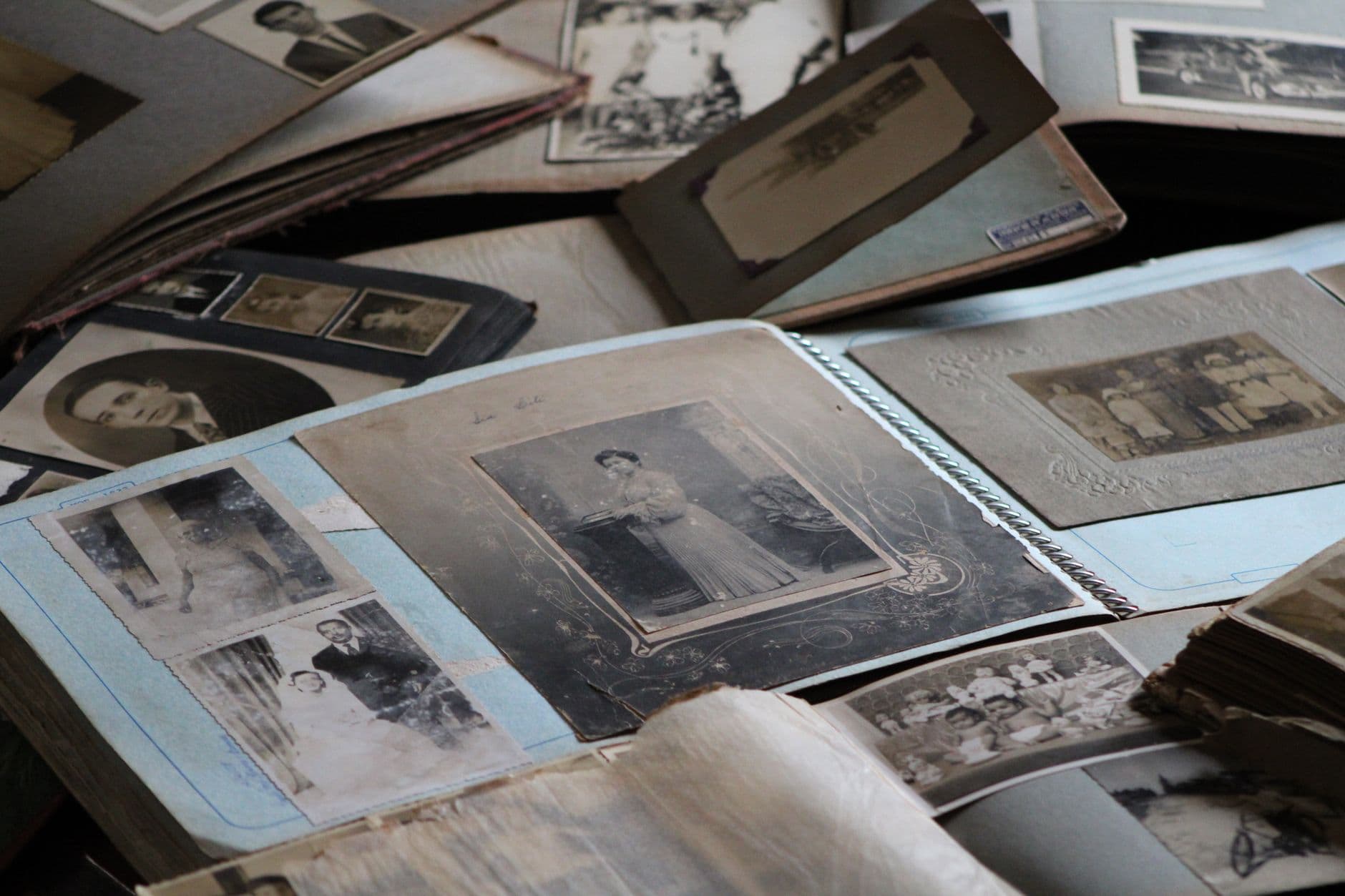
A sensible first pass is to follow the record types in order. Yearbooks can place a student in a school and a year, newspapers can add obituaries, engagement notices, sports scores and community news, and photo collections can confirm faces, buildings and family groupings. Heritage collections and veterans files widen the view for anyone trying to connect a single surname to a ranch, a school, a military service record or a family gathering that no longer shows up in official paperwork.
A practical search path for Apache County families
A step-by-step search usually works best here:
1. Check yearbooks first. The Apache County Library District’s electronic resources include digitized yearbook collections for St.
Johns, Round Valley and Sanders/Valley High Schools. The Biblioboard yearbook database is not searchable, so plan to browse by school and year rather than expecting keyword results.
2. Move to newspapers. Apache County Historical Newspapers on the Arizona Memory Project run from 1923 to 1990 and include St.
Johns Herald-Observer from 1938 to 1946, Apache County Independent News from 1939 to 1943, White Mountain Navapache Independent from 1978 to 1981, White Mountain Independent from 1976 to 1990 and Navapache Independent from 1989 to 1990. That mix is especially useful for obituaries, land notices, school events and long-running family names.
3. Add oral history and local context. The Alpine Public Library’s Alpine Area Family History Project preserves oral histories about pioneers and early settlers in Alpine, Blue, Nutrioso, Eagar, Springerville and Luna, New Mexico, covering the late 1800s through the first half of the 1900s.
That makes it a strong stop for families with pioneer roots or cross-border ties that never fit neatly into one county file.
4. Finish with local repositories and recorder records. The Apache County Recorder’s Office has recorded documents in the county going back to 1879, which makes it a key stop for deeds, property transfers and long-established county lines.
The museum, heritage center and family-search centers can help fill in the gaps.
Where the in-person pieces matter most
The Apache County Historical Society Museum in St. Johns anchors much of the county’s local memory work. Its purpose is to collect, preserve, interpret, display and protect the history and historical artifacts of Apache County and Arizona, and its long-running presence reflects local volunteer energy that dates back more than 45 years. The museum has also highlighted a First Families of St. Johns exhibit, which ties genealogy to stories and photos from early settlers.
The other in-person stops serve different kinds of researchers. The Springerville Heritage Center can help people with White Mountain-area roots, while the Eagar Family Search Center and St. Johns Family Search Center give families a place to work with documents, names and family lines alongside volunteers. In Window Rock, the Navajo Nation Museum research library is especially important for families whose histories cross tribal records, county lines and community memory.
Why this network fits Apache County’s history
Apache County’s population was 66,021 in the 2020 Census, and 70.4% of residents identify as American Indian and Alaska Native alone. Local history here is not just pioneer history or county-seat history. It is also Navajo history, reservation history and the story of families whose records may be split among county offices, tribal institutions, school annuals and oral traditions.
This article was produced by Prism’s automated news system from verified source data, official records, and press releases, then run through automated quality and moderation checks before publishing. The system is built and supervised by the people who set the standards it runs under. Read our full AI policy.
Did this article answer your question?