Apache County maps public health services across local hubs
Apache County’s health system runs through local hubs in St. Johns and Springerville, giving residents faster access to records, immunizations, and clinic services than a trip to the county seat.
A county health system built around local hubs
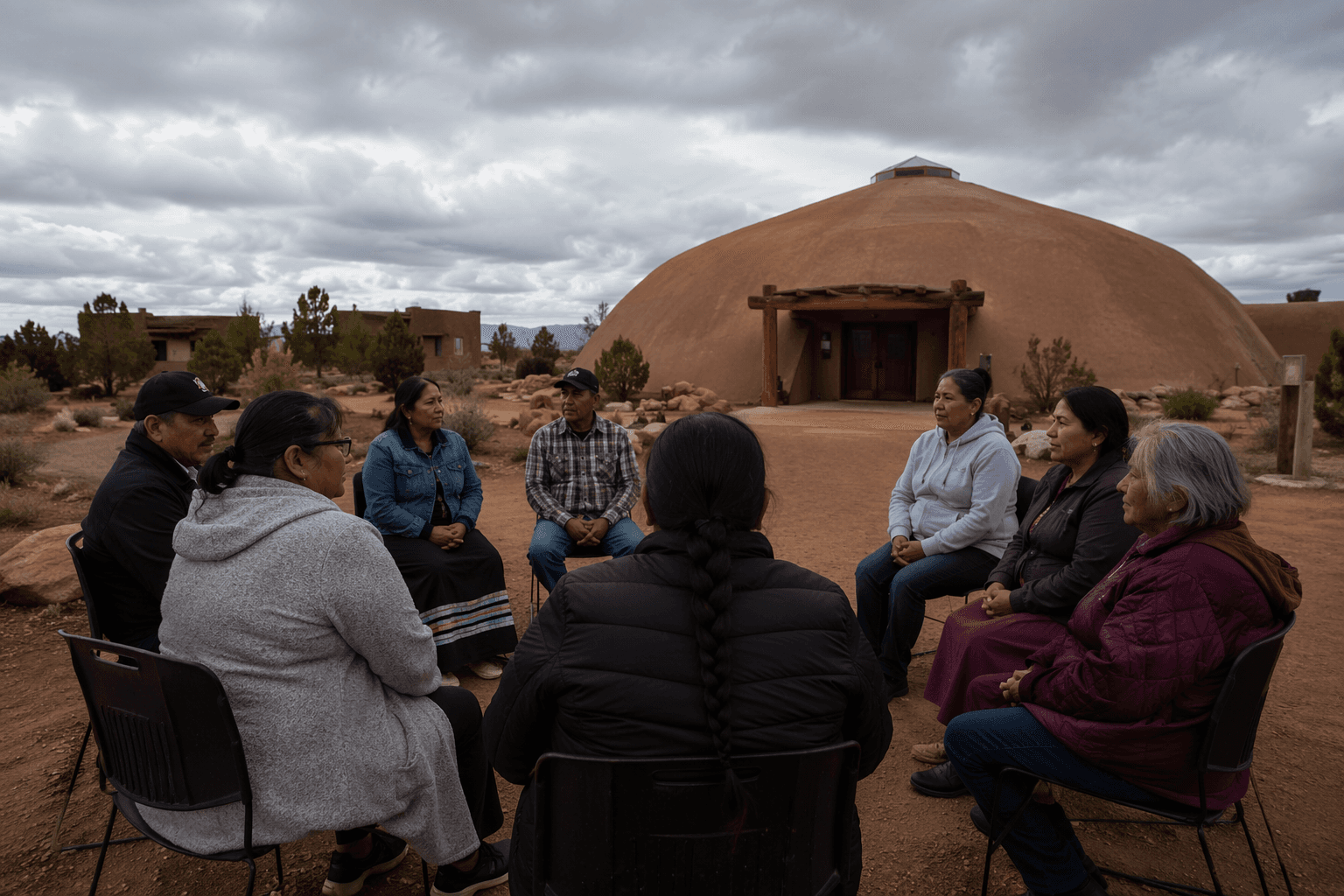
Apache County does not funnel public health through one office. It runs through a network of local hubs, led by the Apache County Public Health Services District, which says it includes five divisions and a vital records department. For residents trying to solve a problem quickly, that structure matters as much as the service itself: the county has built access points for records, clinical care, and public health questions in more than one town.
The clearest example is in St. Johns, where the county lists the St. Johns Annex at 75 W. Cleveland Street and the St. Johns Health Clinic at 110 E. 1st Street S. Both operate Monday through Thursday, from 6:30 a.m. to 5:30 p.m. That schedule gives residents a long weekday window to handle county business, from public health questions to vital records needs, without having to guess which office handles what.
Where residents can go, and what each hub does
Apache County’s Springerville hub adds another layer of convenience in the southern part of the county. The Round Valley Annex Building at 309 South Mountain Avenue houses a recorder sub office, sheriff sub station, vital records access, and the Superintendent of Schools office. That concentration of services makes the building more than a satellite office. It is a place where a resident can resolve several county matters in one stop instead of driving from office to office.
That matters in a county where the wrong trip can cost hours. Public health pages and county contact information together show a system built for distance, not just bureaucracy. For families dealing with birth or death certificates, clinical needs, or other public health programs, knowing the right hub before leaving home can be the difference between a quick errand and a long, unnecessary round trip.
What public health services actually cover
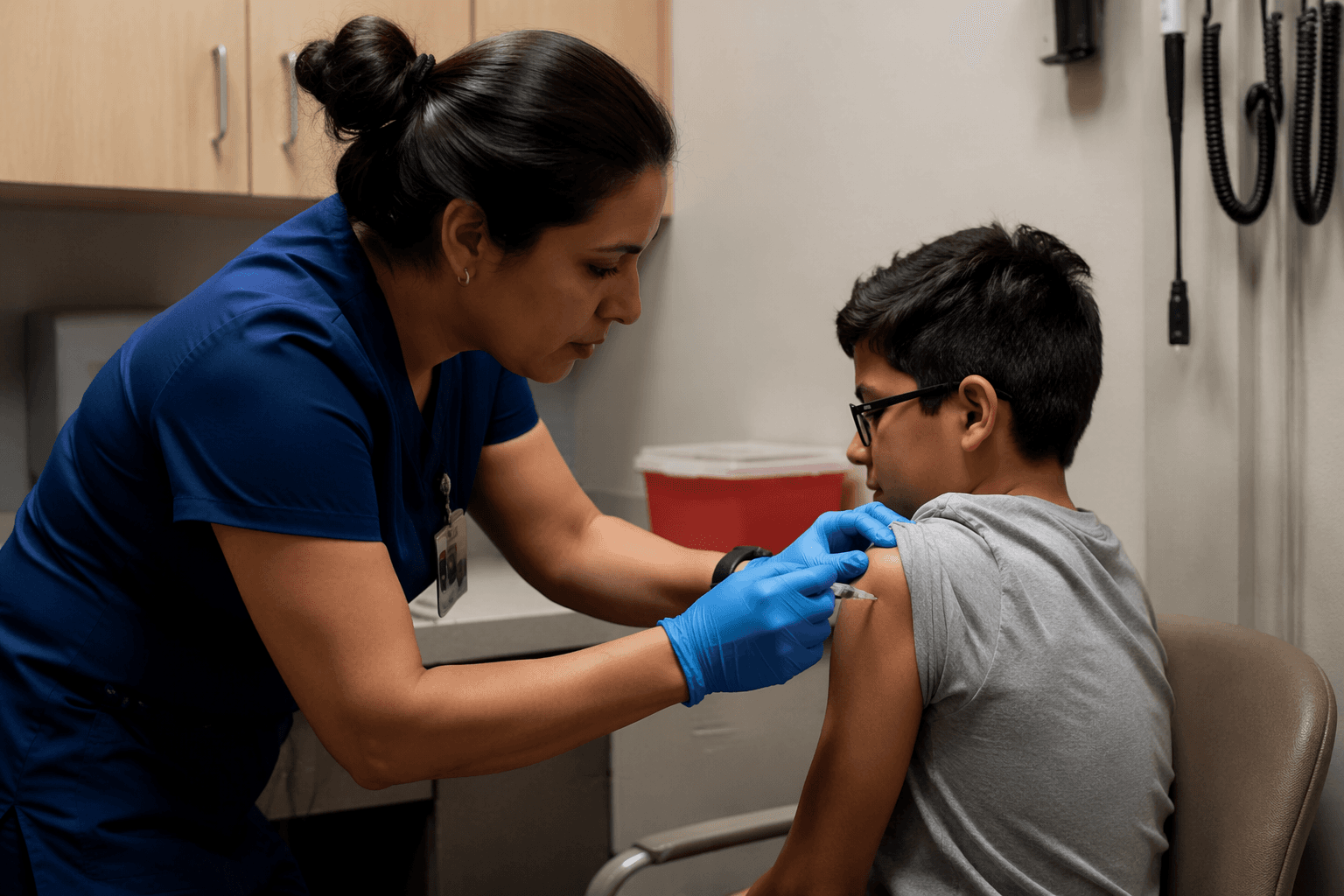
The county’s 2024 annual report shows that the district’s work goes far beyond clerical services. In the Clinical Services Division, residents could get COVID-19 testing, vaccinations, blood draws, and education opportunities. The district also said it provided immunizations for both children and adults, which is one of the most immediate day-to-day services public health can offer a family.
The same report shows that the district reaches into home and community care as well. It offered home visitation services for mothers and newborns, along with youth health education. That combination of clinic-based care and direct outreach gives Apache County a wider public health footprint than a single exam room or records desk could provide.
Public health staff also handle environmental and prevention work that is easy to overlook until something goes wrong. The district reported monitoring food establishments, supporting septic and well installation, and responding to complaints about waste and other environmental health problems. Those duties affect what people eat, drink, and live around, even when they never step into a clinic.
Why access is still a serious problem
Apache County’s own size explains why the county keeps pushing services into multiple locations. It is the third largest county in Arizona by total area, with 11,198.3 square miles of land area. The U.S. Census Bureau reported a 2020 population of 66,021, while the county government says the current population is about 70,000 and growing with new jobs and support services. Those numbers describe a place where geography still shapes daily life.
The district’s 2024 annual report is direct about the access problem: travel to hospitals or clinics can be extensive, and the county lacks hospital services. That means even basic care can require long drives, especially for rural families and residents without reliable transportation. The district said those conditions can delay or limit care, even though residents have generally been healthy overall.
The older 2018/2019 annual report sharpened that warning. Apache County was designated both a medically underserved area and a health professional shortage area for medical, dental and mental health services. The report also described a critical need for mental health providers. That is a major public-service gap, because it means the county’s health network is not simply about convenience. In some cases, it is the only realistic entry point to care.
Renovation, recognition, and the county’s reporting duty
There are signs that the county is trying to strengthen the system it has. The 2024 annual report says the Springerville Health Clinic renovation was completed, and the district won the Hot Shot Innovation Award. The report links that award to improved vaccine coverage throughout the county, suggesting that service design and outreach can produce measurable gains when they are built around local access.
The county also works under a formal accountability requirement. Arizona law requires the director of the Apache County Public Health Services District to report annually to the Apache County Board of Supervisors on health conditions, diseases, expenditures and recommendations. That reporting duty gives residents a clearer expectation that public health is not just a service network, but a system that must explain itself to elected officials.
That is what makes Apache County’s public health map so important. It shows where to go for immunizations, records, clinic care, environmental health help, and maternal services. It also shows where the county is still stretched thin, especially on hospital access, mental health, and transportation. For residents deciding where to turn first, the county’s local hubs are the fastest path the system has to offer.
This article was produced by Prism’s automated news system from verified source data, official records, and press releases, then run through automated quality and moderation checks before publishing. The system is built and supervised by the people who set the standards it runs under. Read our full AI policy.
Know something we missed? Have a correction or additional information?
Submit a Tip