Tséhootsooí doctor warns summer insects can spread deadly infections
A Tséhootsooí doctor warns that summer bites can turn into Rocky Mountain spotted fever fast, with Arizona logging more than 500 cases and nearly 30 deaths.
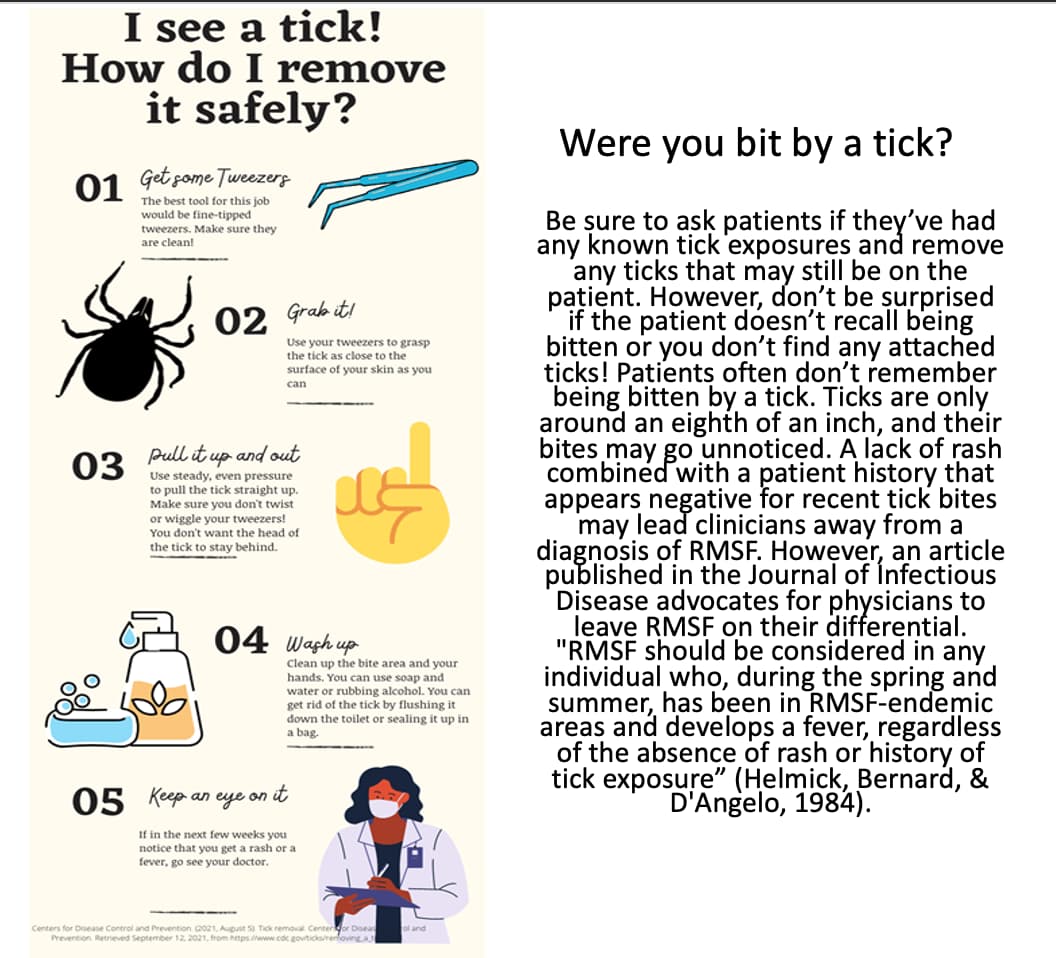
More than 500 Arizonans have been diagnosed with Rocky Mountain spotted fever since it was first detected on tribal lands in 2003, and nearly 30 people have died. Now a Tséhootsooí doctor is warning Apache County families that summer is the season when tick, flea and mosquito illnesses rise, and they can turn serious fast if early symptoms are missed.
The concern is not abstract in Apache County, where warmer weather means more time outside for ranch work, hikes, chapter events, sports and travel between communities. The Arizona Department of Health Services says Rocky Mountain spotted fever is the most severe disease caused by a tick in the United States, and Arizona’s case fatality rate is higher than the national rate. Children under 18 are hit disproportionately, which makes the warning especially urgent for families with young children heading into summer activities.
Doctors and public health officials are watching for fever, headache, fatigue and rash after possible exposure. Those symptoms can look mild at first, but Rocky Mountain spotted fever can move quickly and become dangerous if treatment is delayed. ADHS says tribal and local public health agencies investigate suspected cases, and Arizona’s protocol calls for doxycycline when exposure and symptoms raise concern.
The risk is highest in the kinds of places Apache County residents know well: brush, tall grass, areas around animals and places where insects collect after warm weather and rain. That means a bite picked up during chores, a ballgame, a chapter event or a day outdoors on the Navajo Nation should not be brushed off if a fever or rash follows.
Arizona’s warning has been built with tribal communities, Indian Health Service, local health departments and the Centers for Disease Control and Prevention, reflecting how long the illness has been a concern in tribal areas. A recent Arizona Department of Health Services blog post said the state has logged more than 330 human cases and 20 deaths since 2003, underscoring that the danger has persisted for years.
For Apache County families, the message is straightforward: check for bites, use protection, and get medical care quickly if illness appears after outdoor exposure. In a county where distance can slow a trip to care, the first signs matter.
This article was produced by Prism’s automated news system from verified source data, official records, and press releases, then run through automated quality and moderation checks before publishing. The system is built and supervised by the people who set the standards it runs under. Read our full AI policy.
Know something we missed? Have a correction or additional information?
Submit a Tip