Apache County Rancher Blames Horse Advocates for Grazing Conflicts in National Forest
Apache County rancher Kathy Gibson Boatman told federal officials that horse advocates are blocking herd management, leaving grazing allotments in the Apache-Sitgreaves overrun.
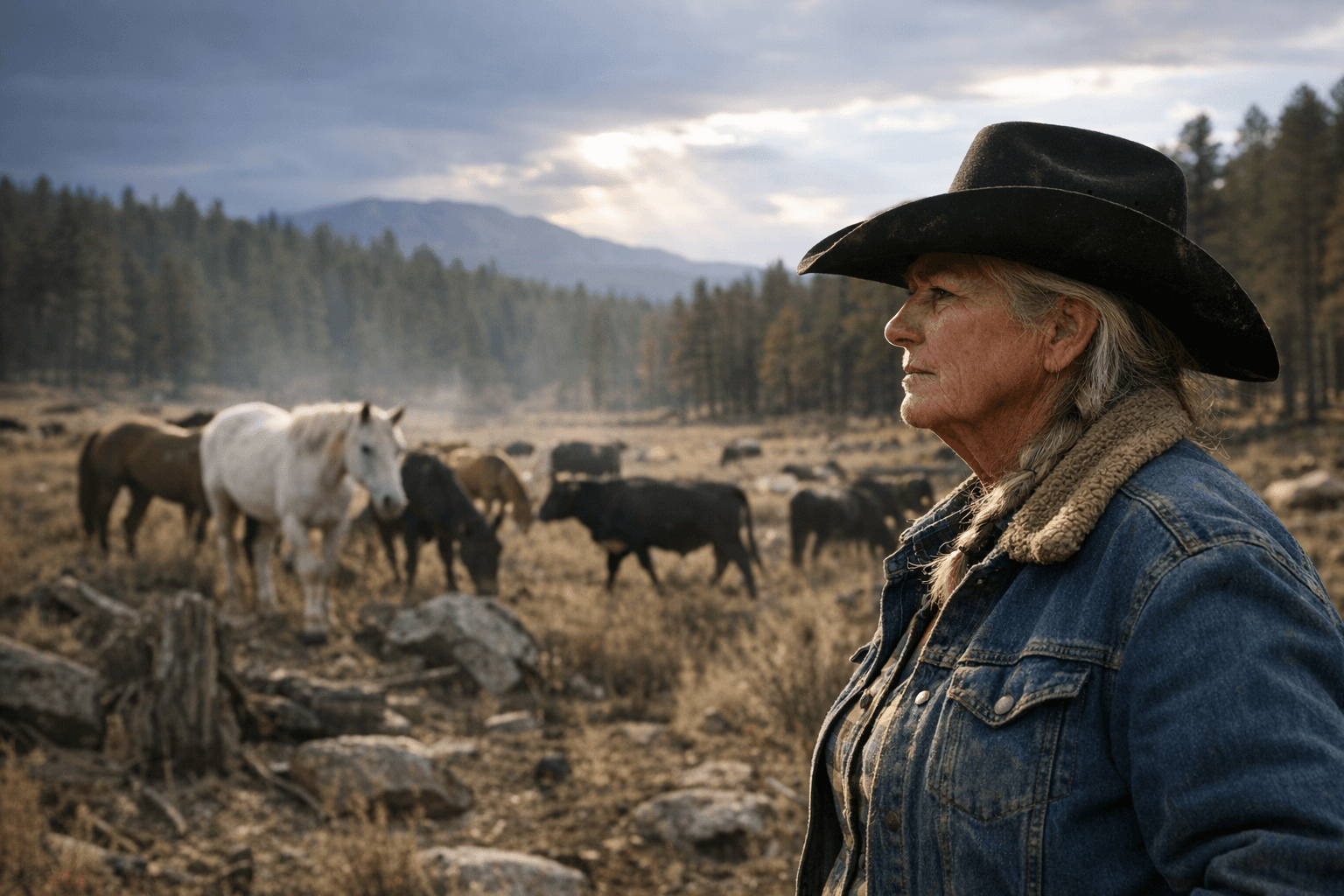
Kathy Gibson Boatman stood before a federal hearing on grazing issues and delivered a pointed accusation: horse advocates, through threats and litigation, are making it impossible to manage wild horse populations that have overtaken cattle allotments in the Apache-Sitgreaves National Forest.
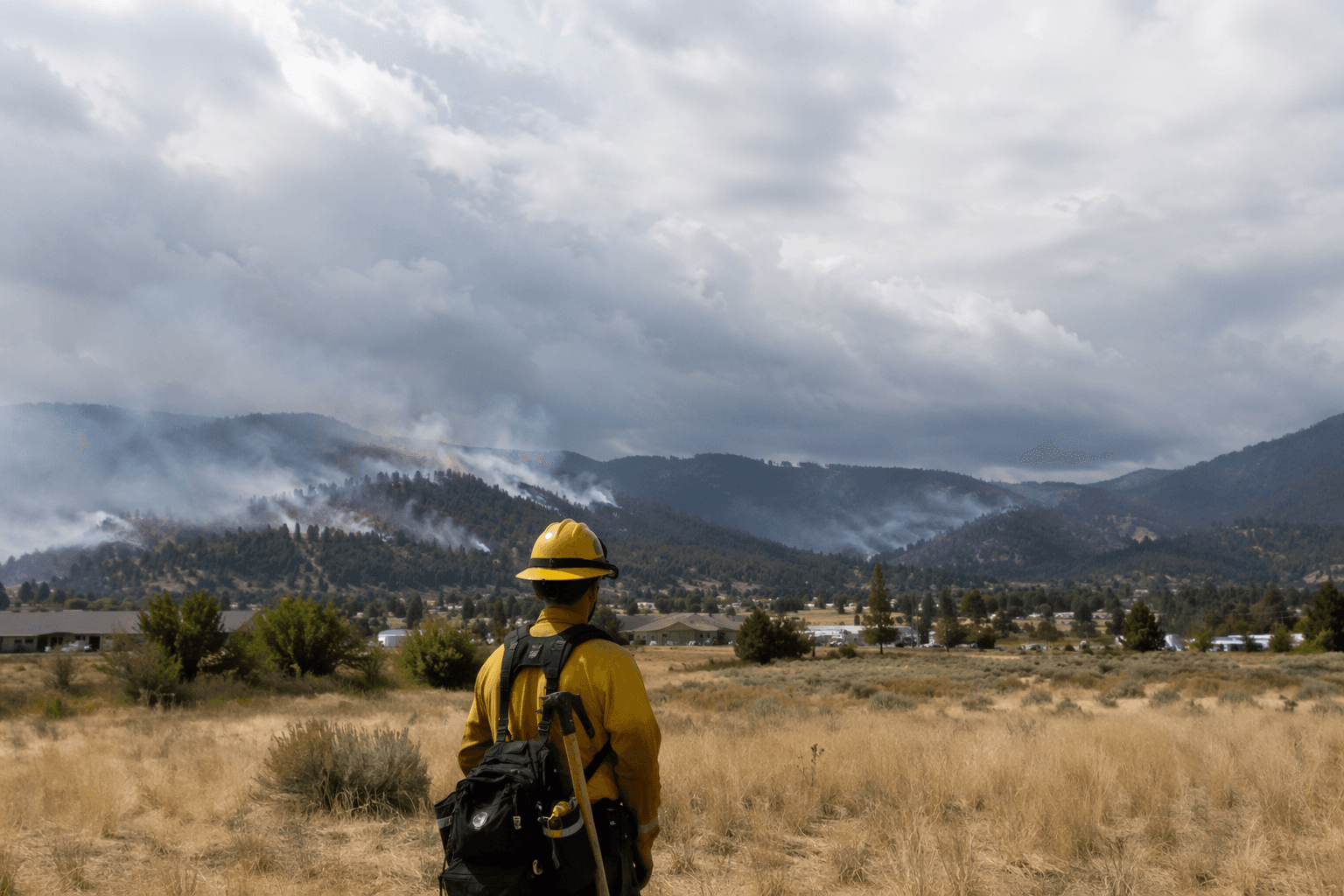
The Apache County rancher's testimony centers on a migration pattern that began after the 2002 Rodeo-Chediski Fire, one of the most destructive wildfires in Arizona history, which burned across roughly 468,000 acres of the White Mountains region. As that fire reshaped the landscape, horses moved into grazing allotments within the Apache-Sitgreaves, and according to Boatman, they have never left.
The conflict she described is not simply a land-use dispute between ranchers and wildlife. Boatman's argument frames horse advocacy groups as active legal obstacles, filing litigation or issuing threats sufficient to stall federal land managers from conducting the kind of herd control that would reduce pressure on shared range. The result, in her account, is that cattle allotments in the national forest are being overgrazed by horses that federal managers have been effectively prevented from removing or reducing.
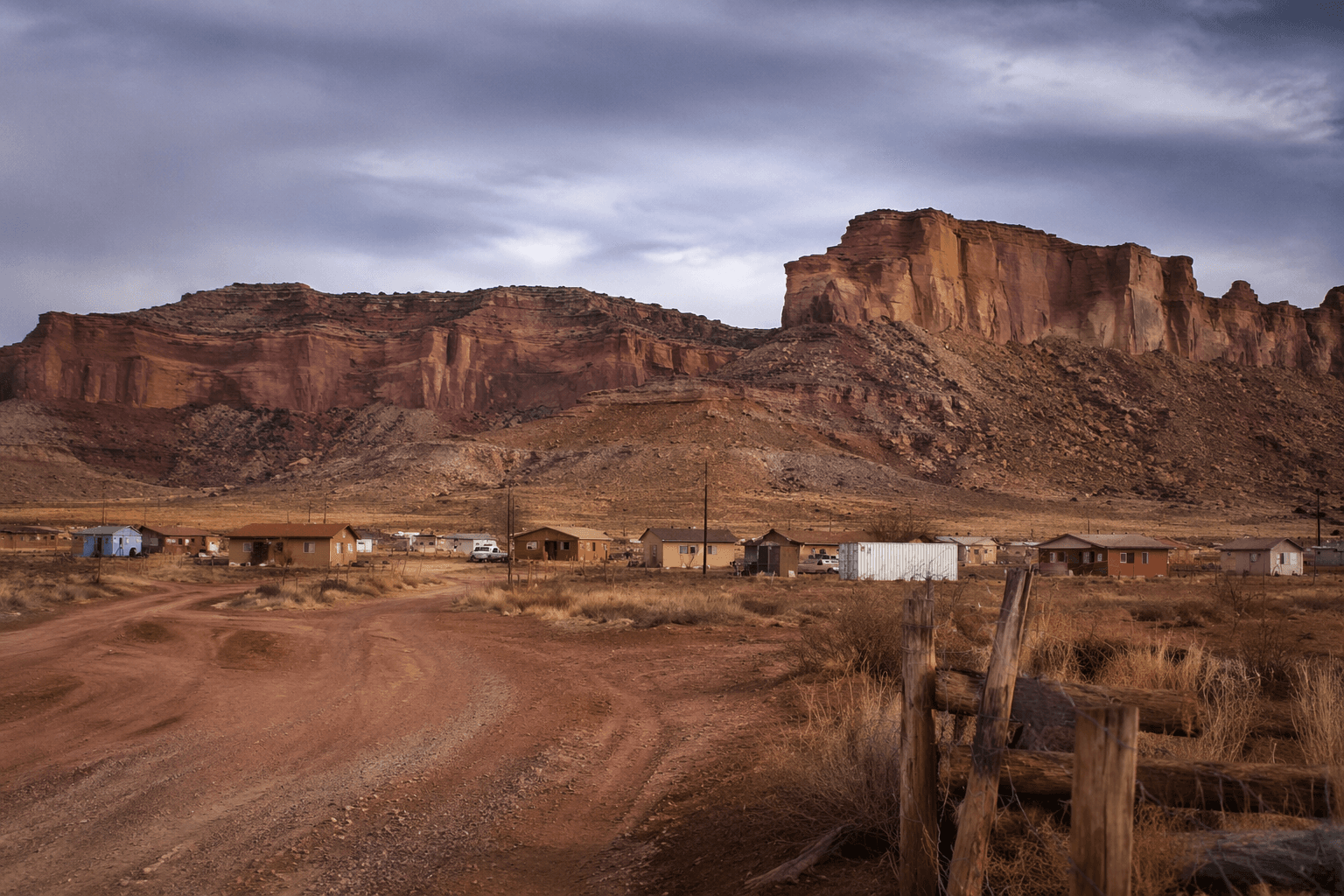
The Apache-Sitgreaves National Forest spans roughly 2 million acres across eastern Arizona and western New Mexico, with significant portions falling within or adjacent to Apache County. Grazing allotments in that forest represent not just economic livelihood for ranchers like Boatman but also longstanding agreements between permit holders and federal land managers over how public land is shared and maintained.
Wild horse management on federal land operates under the 1971 Wild Free-Roaming Horses and Burros Act, which grants protections to feral horses on public lands but also authorizes the Bureau of Land Management and Forest Service to manage population levels. That legal framework has historically been a flashpoint between ranchers and advocacy organizations, with litigation frequently delaying or blocking roundups.
Boatman's testimony puts a local face on that national tension. The horses now grazing Apache-Sitgreaves allotments were not always there; the Rodeo-Chediski Fire effectively drove them in, making the current situation a direct consequence of a disaster that Apache County residents lived through more than two decades ago. Whether federal land managers respond to her account with concrete action remains to be seen.
This article was produced by Prism’s automated news system from verified source data, official records, and press releases, then run through automated quality and moderation checks before publishing. The system is built and supervised by the people who set the standards it runs under. Read our full AI policy.
Did this article answer your question?