Apache County ranchers push back against state land solar and wind leases
Ranchers say solar and wind leases on state trust land could cut off grazing on ground tied to families for generations, even as projects promise $146 million for schools.

Apache County ranchers are warning that a wave of solar and wind proposals on state trust land could redraw the map for grazing, water access, fencing and truck traffic in the county’s cattle country. The fight has sharpened as county officials review land-use rules for solar, wind and storage projects, and as residents pack public meetings to push back against developments they say could squeeze out long-standing ranch operations.
The clearest sign of how fast the debate has moved came on December 2, 2025, when the Apache County Board of Supervisors approved a conditional use permit for the 500-megawatt Juniper Spring Solar and Storage Project. EDF Power Solutions proposed the project for Arizona State Trust land east of the Springerville Generating Station, and county records show its gen-tie would cross APNs 108-44-001A and 108-45-001. That approval set a precedent just as the county continues weighing other large proposals, including the 1,150-megawatt Black Ridge Renewable Project near St. Johns, which would combine wind turbines, solar generators and battery storage on private, state and federal land.
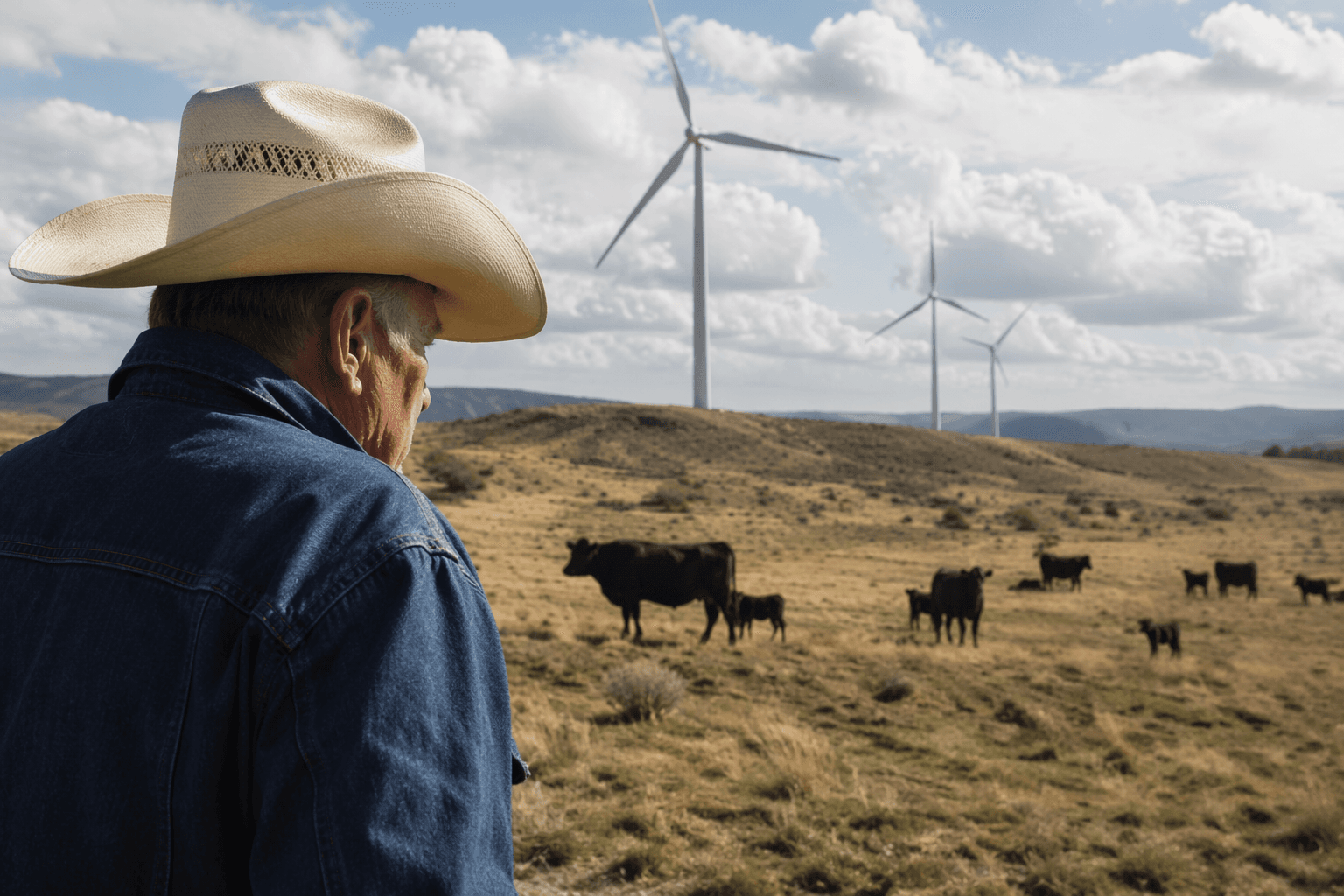
The state’s leasing system sits at the center of the dispute. Arizona State Land Department materials say solar projects on trust land are secured through long-term commercial leases offered at public auction, and the agency says grazing leases overlap with 90% of state trust land. For ranchers, that overlap is the problem. Casey Murph, a fifth-generation rancher with H-Y Cattle Company in Holbrook, has said a proposed solar project on state trust land threatens his family’s grazing lease and multi-generational livelihood. In practical terms, that kind of lease change can mean lost pasture, altered cattle movement and added costs that ripple through a ranch’s bottom line for years.
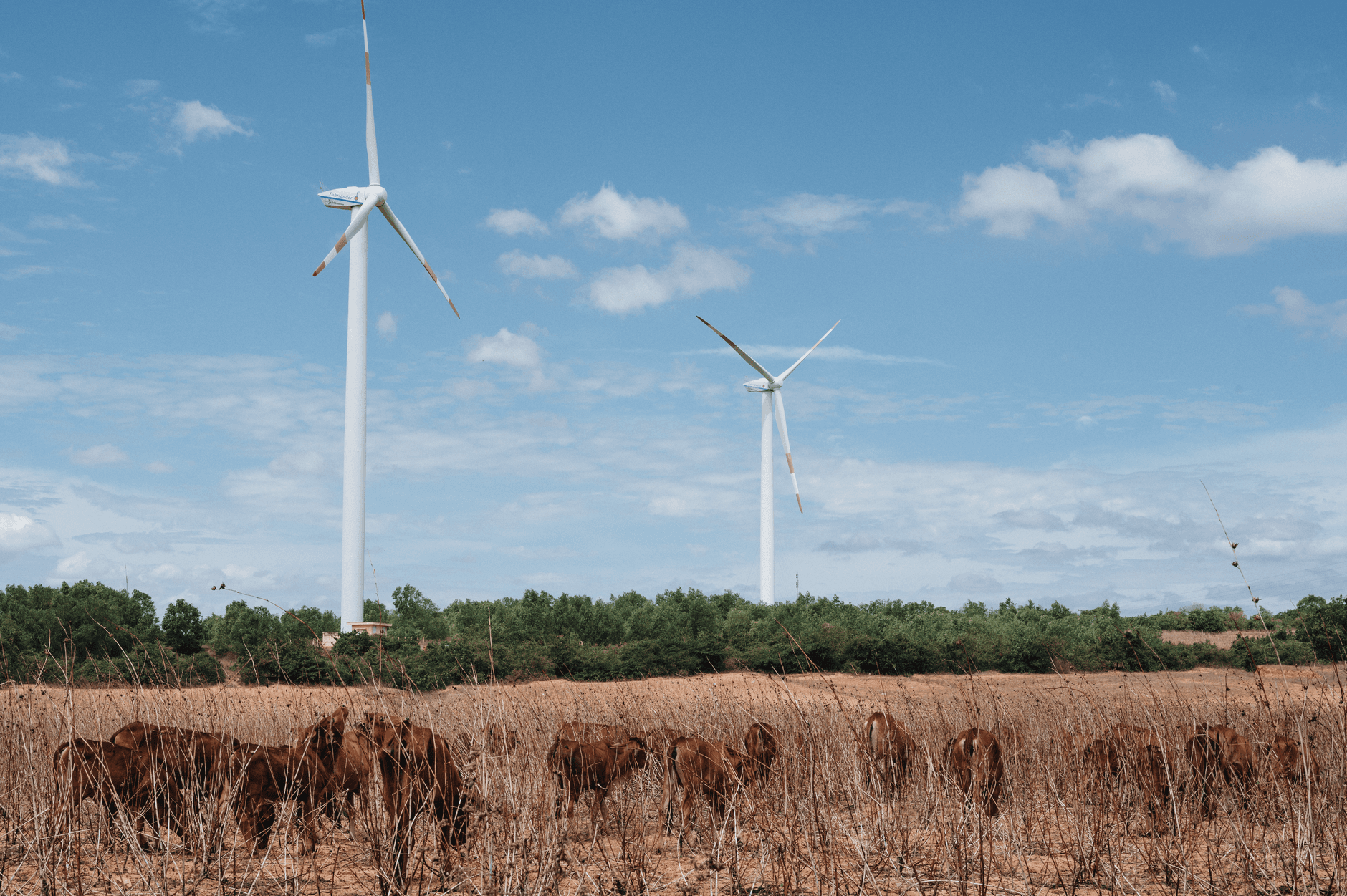
Supporters of the projects are making a different case, arguing that state trust land should generate the highest possible return for schools and other beneficiaries. Project materials tied to the Apache County Repsol proposals estimate the developments could power more than 190,000 Arizona homes each year, bring about $31.5 million in new Apache County property-tax revenue over 35 years, generate roughly $373,000 in construction-phase sales taxes and produce more than $146 million in state land-lease payments for K-12 public education and Arizona universities. But the growing backlash in Apache County shows the county is not debating renewables in the abstract. It is debating who gives up ground, who gets paid and whether the long economics of ranching can survive once industrial energy projects take hold.
This article was produced by Prism’s automated news system from verified source data, official records, and press releases, then run through automated quality and moderation checks before publishing. The system is built and supervised by the people who set the standards it runs under. Read our full AI policy.
Did this article answer your question?